


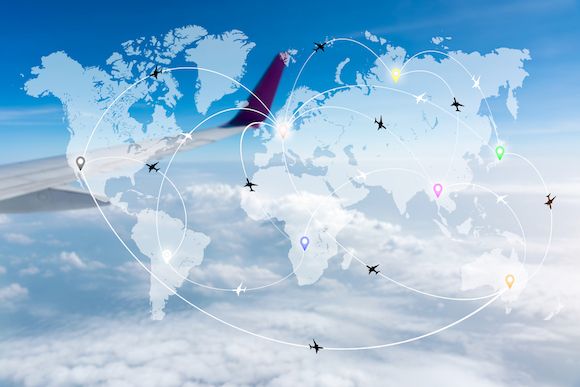
Air travel has become one of the most dynamic sectors in global commerce, influenced by a variety of economic, political, and social factors. Among the most powerful of these are travel restrictions and government policies. Whether you’re a frequent traveler, a student flying abroad, or a tourist planning your next holiday, understanding how these rules shape flight prices can help you make smarter booking decisions and even save money.
Over the past few years, global travel patterns have changed dramatically. The COVID-19 pandemic, visa regulations, border closures, fuel taxes, and bilateral air agreements have all played significant roles in determining how airlines price their tickets. For many travelers, the question remains: why do flight prices fluctuate so dramatically, and how do government policies and travel restrictions influence these changes?
In this comprehensive guide, we explore the critical relationship between travel policies, restrictions, and airfares, and how you can use this knowledge to book flights strategically.
The Link Between Travel Restrictions and Airfare
Every flight ticket reflects more than just the cost of getting from one place to another. It’s a complex calculation of operational costs, demand, route availability, and government-imposed regulations. When restrictions or policy changes occur, whether related to safety, immigration, or health, they disrupt this balance and directly affect ticket prices.
For example, during periods of strict border control or health screenings, the number of available flights often decreases. Fewer flights mean limited seat availability, which automatically drives prices higher. Conversely, when restrictions ease, airlines compete for passengers, often lowering fares to attract travelers back.
Essentially, travel restrictions create supply and demand imbalances. When demand remains high but routes are restricted, prices soar. When demand drops due to new entry bans or visa hurdles, airlines must reduce prices or suspend flights altogether.
Key Government Policies That Influence Flight Prices
1. Visa and Entry Regulations
Countries with strict visa policies often experience lower flight demand compared to destinations with easier entry processes. For instance, if a country tightens visa approval rates for certain nationalities, fewer people apply to travel there. Airlines respond by reducing flight frequencies or offering discounted fares to fill empty seats.
On the other hand, visa-free agreements, such as those between Schengen countries or the ECOWAS region in West Africa, encourage travel and can stabilize or reduce airfares through increased demand and competition.
2. Airspace and Bilateral Agreements
Airline routes are heavily regulated by air service agreements (ASAs) between countries. These agreements define how many flights can operate between destinations and which airlines are permitted to do so. When governments limit these rights, competition decreases and prices go up.
For example, if only one or two airlines are allowed to operate between Lagos and Dubai, those carriers have more control over pricing. However, when governments open up their airspace to more airlines—a policy known as “open skies”—it encourages competition, leading to lower ticket prices and more flight options.
3. Safety, Security, and Health Regulations
After global events like 9/11 or the COVID-19 pandemic, governments introduced stricter safety and health regulations that significantly affected flight costs. Airlines had to invest in new technology, cleaning protocols, and compliance systems, which increased operational expenses. These costs are often passed down to passengers in the form of higher fares.
4. Airport Taxes and Fuel Policies
Government-imposed airport taxes, fuel surcharges, and aviation levies are key drivers of airfare fluctuations. A ticket’s base fare may look affordable until taxes and fees are added, sometimes accounting for over 30% of the total cost.
Countries with lower airport and fuel taxes generally offer cheaper flights. For instance, flights out of Dubai often cost less than those from some African countries because the UAE maintains relatively low aviation taxes to attract global traffic.
5. Currency Exchange and Economic Policies
Exchange rates and national monetary policies also affect flight pricing. When a country’s currency weakens, international flight prices rise for its residents since fares are often pegged to stronger currencies like the U.S. dollar.
Economic sanctions, import taxes on fuel, or restrictions on currency repatriation for foreign airlines can also limit the number of flights to certain destinations, leading to price hikes due to reduced competition.
How Travel Restrictions During Global Crises Affect Airfare
The COVID-19 pandemic was perhaps the clearest demonstration of how travel restrictions can reshape the global airfare landscape. When countries closed their borders and imposed mandatory quarantines, airlines grounded thousands of planes. With minimal flights operating, ticket prices for essential travel skyrocketed, especially on repatriation or humanitarian routes.
Even as restrictions eased, airlines operated under strict health protocols, limiting passenger capacity, sanitizing aircraft between flights, and requiring COVID-19 tests, all of which increased costs. Meanwhile, pent-up demand led to sudden price surges once borders reopened.
The same principle applies during geopolitical tensions, natural disasters, or security crises. Any disruption to international airspace or passenger mobility can drastically affect the cost of flying, often making it more expensive for travelers.
How Policies Can Lower Flight Prices
Not all government policies increase flight prices, some aim to make travel more accessible. Open skies agreements, tourism partnerships, and infrastructure investments often lower fares by improving competition and efficiency.
For example, when African countries began adopting the Single African Air Transport Market (SAATM) initiative, aimed at liberalizing air travel across the continent, it encouraged more competition among African airlines. This policy is expected to eventually reduce flight costs and improve connectivity for millions of passengers.
Similarly, countries that simplify visa applications, reduce airport taxes, or invest in modern terminals often attract more airlines. As a result, increased capacity and competition drive prices down, benefiting travelers and boosting tourism economies.
How Travel Restrictions Affect Different Traveler Categories
Business Travelers
Business travelers are often the least price-sensitive group. During restriction periods, airlines may target them with premium fares since they tend to travel regardless of cost.
Tourists
Leisure travelers are highly price-sensitive. When entry rules tighten or health requirements increase, they are less likely to travel, forcing airlines to reduce fares or offer promotional deals to maintain demand.
Students and Migrants
For international students and migrant workers, visa policies and border closures have a direct impact. When study or work permits are delayed, airlines experience cancellations or lower ticket sales, sometimes resulting in higher prices during peak reapplication periods.
How to Navigate Changing Policies and Find Affordable Flights
- Book Early When Policies Are Stable
Flight prices tend to rise when there’s uncertainty about travel rules. Booking early, when policies are clear, can save you money. - Monitor Travel Advisories
Stay updated on travel advisories from embassies or reputable agencies. Knowing when restrictions may tighten or loosen can help you book at the right time. - Use Flexible or Refundable Tickets
Since restrictions can change unexpectedly, booking flexible fares allows you to adjust your plans without losing money. - Compare Routes and Airlines
When one country imposes restrictions, alternate routes through nearby nations can offer cheaper or faster travel options. For instance, connecting through a hub like Doha or Istanbul may reduce costs compared to direct restricted routes. - Work with Trusted Travel Agents
Travel consultants can help you interpret complex travel regulations and find affordable flight options that comply with current policies.
The Future of Airfare and Travel Regulations
The global aviation industry continues to evolve, with governments reassessing how policies affect mobility and economics. As nations recover from pandemic-related disruptions, we can expect more flexible travel frameworks, digital health verification systems, and regional agreements to improve connectivity.
Environmental policies, such as carbon taxes or green fuel mandates, may increase costs temporarily, but innovations in sustainable aviation are expected to create more efficiency in the long term. For travelers, this means the future of flying will involve balancing affordability with sustainability and compliance.
Travel restrictions and government policies play an undeniable role in shaping flight prices around the world. From visa rules and fuel taxes to airspace agreements and global health crises, these factors influence not only how much we pay for flights but also how easily we can move between countries.
For travelers, understanding these dynamics is essential. By staying informed about travel policies, booking strategically, and using professional travel services, you can navigate the changing landscape of airfare with confidence and ease. The key is to anticipate how global or local regulations may impact ticket availability and cost, then plan your trip accordingly.
In today’s interconnected world, knowledge is your greatest travel tool. The more you understand how policies influence prices, the better equipped you’ll be to secure affordable and convenient flights, no matter where your journey takes you.
Fill this FORM to book your flight today.

Other Articles

How to Prepare for Visa Interviews Abroad
How to Book Flights That Match Your Sleep Schedule for Less Jet Lag


No Comment! Be the first one.