


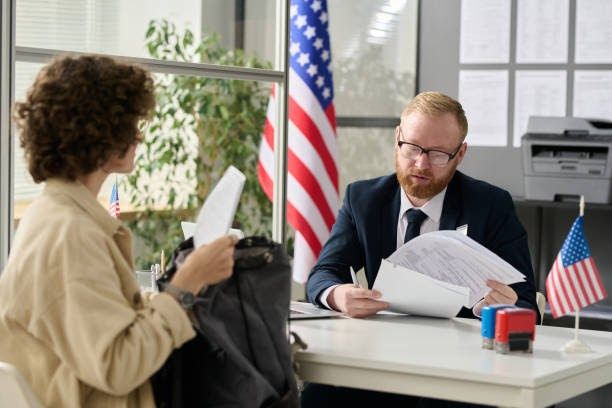
Applying for a visa is one of the most crucial steps in your journey to study, work, or travel abroad. While filling out application forms and submitting documents is important, the visa interview often determines the outcome of your application. For many Nigerian applicants and other international travelers, the interview stage can be intimidating. However, with proper preparation, confidence, and clarity, you can make a lasting impression on the visa officer and improve your chances of approval.
This article provides detailed insights on how to prepare for visa interviews abroad, what to expect, how to answer confidently, and the common mistakes to avoid. Whether you’re applying for a student, tourist, or work visa, these tips will help you approach your interview with confidence and professionalism.
Understanding the Purpose of a Visa Interview
Before diving into preparation, it’s important to understand why visa interviews exist. Visa officers are not trying to intimidate applicants. Their goal is to verify the information you’ve provided, confirm your intentions for travel, and ensure you meet the visa requirements of their country.
In most cases, the officer will assess three key factors:
- Your genuine purpose of travel – whether you are truly traveling for study, work, tourism, or business.
- Your financial capability – whether you can fund your stay abroad without violating local laws or overstaying.
- Your ties to your home country – proof that you will return after your authorized stay.
Knowing this helps you frame your answers effectively and present yourself as a trustworthy, well-prepared traveler.
Step-by-Step Guide to Preparing for Your Visa Interview
1. Understand the Type of Visa You’re Applying For
Every visa category has unique requirements. A student visa interview focuses on your educational goals, while a tourist visa emphasizes your travel plans and return intentions. Research the visa type thoroughly so you can answer questions confidently. For example, if you are applying for a student visa to Germany, know your course, university, duration of study, and funding source.
2. Review Your Application and Documents
Your interview answers must match the information you provided in your application and supporting documents. Review your form carefully and cross-check every detail, from your travel history and financial statements to your sponsor’s information. Inconsistencies between your spoken answers and your documents can raise red flags.
3. Gather and Organize Your Supporting Documents
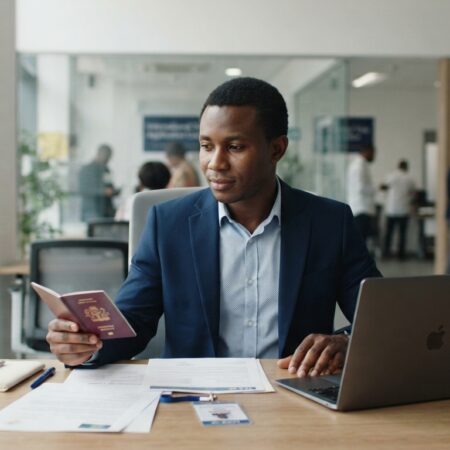
Organize your documents neatly in a file or folder. Common documents include your passport, admission letter, proof of funds, sponsor’s letter, travel itinerary, employment letter, and any relevant receipts. Arrange them in the order you expect to present them, as this makes you appear professional and prepared.
4. Research the Country’s Visa Interview Format
Each country conducts interviews differently. The U.S. often uses a question-and-answer format lasting just a few minutes, while Canadian or German interviews may include document reviews and detailed discussions. Watch sample interview videos, read embassy guidelines, or join study abroad forums to understand what to expect.
5. Prepare for Common Interview Questions
While no two interviews are identical, certain questions are almost always asked. Examples include:
- Why do you want to travel to this country?
- Who is funding your trip or studies?
- What do you plan to do after your studies or visit?
- Do you have family or friends abroad?
- What ties do you have to your home country?
Prepare honest and concise answers to these questions. Avoid memorizing responses word-for-word, as that may sound rehearsed. Instead, speak naturally and focus on clarity.
6. Practice Speaking Confidently
Confidence plays a huge role in visa interviews. You don’t need to be perfect in English or the language of the country—you only need to be clear and calm. Practice answering questions in front of a mirror or with a friend. Work on your tone, posture, and eye contact.
7. Dress Appropriately for the Interview
Your appearance creates a strong first impression. Dress neatly and professionally, as if attending a job interview. Avoid overly casual clothes, bright colors, or strong fragrances. A simple, clean outfit communicates respect and seriousness.
8. Arrive Early and Stay Composed
Arriving late can ruin your chances before the interview even begins. Get to the embassy or consulate at least 30 minutes early to go through security checks calmly. Carry all necessary items, including your appointment letter, identification, and payment receipts.
9. Be Honest and Transparent
Visa officers are trained to detect inconsistencies. Never lie about your financial situation, travel history, or purpose of travel. If you’re unsure about a question, it’s better to say, “I’m not certain about that, but I can clarify” than to invent an answer. Honesty builds trust and credibility.
10. Demonstrate Strong Ties to Your Home Country
One of the biggest reasons for visa denials is the officer’s belief that the applicant might overstay. Show that you have a reason to return home after your visit. This could be family commitments, a stable job, a business, or future plans such as continuing education or running a family enterprise.
11. Practice Good Body Language
Your non-verbal communication matters as much as your answers. Sit upright, smile naturally, and maintain good eye contact. Avoid fidgeting, crossing your arms, or looking nervous. Confident body language shows sincerity and preparedness.
12. Stay Calm Even If Things Don’t Go Perfectly
Sometimes the officer might interrupt, ask a tough question, or appear uninterested. Don’t panic or argue. Maintain your composure and answer politely. Remember, visa officers evaluate not only your answers but also your attitude and behavior under pressure.
Common Mistakes to Avoid During Visa Interviews
Many applicants lose their visa chances not because of weak documentation, but because of poor presentation during the interview. Below are mistakes you should avoid:
- Giving vague or inconsistent answers: Always be specific and ensure your responses match your documents.
- Over-explaining or talking too much: Keep your answers short and relevant.
- Being overly nervous: While some anxiety is normal, excessive nervousness can make you appear dishonest.
- Using fake or unverifiable documents: Embassies verify all documents; forged papers will lead to permanent visa bans.
- Criticizing previous visa decisions: If your visa was denied before, acknowledge it calmly and explain what has changed since.
Sample Practice Questions and Answer Tips
Q: Why did you choose this country for your studies or visit?
A: Focus on genuine reasons such as educational reputation, cultural experiences, or specific opportunities that align with your goals.
Q: Who is sponsoring your trip?
A: Clearly state your sponsor’s name, relationship to you, and source of income. If you are self-sponsored, mention your financial background confidently.
Q: What are your plans after your studies or trip?
A: Emphasize returning home to apply your knowledge, continue your career, or pursue further goals. Avoid saying anything that suggests permanent relocation unless it fits the visa type.
Q: Have you traveled abroad before?
A: Be honest. If you haven’t, say so politely and express excitement for your first experience.
After the Interview
Once the interview ends, thank the officer politely and follow any given instructions. Some applicants receive decisions immediately, while others may wait for processing. Keep your documents safe and check your email or application portal regularly for updates.
If your visa is denied, don’t lose hope. Analyze the reason for the refusal, correct any errors, and reapply when ready. Many successful applicants get approved after their second attempt because they learn from the first experience.
Preparing for a visa interview abroad requires more than just paperwork, it’s about presenting yourself as a credible, well-informed, and respectful applicant. By understanding the purpose of the interview, organizing your documents, practicing your responses, and maintaining confidence, you can stand out positively in the eyes of the visa officer.
Remember, honesty, preparation, and composure are your strongest assets. Whether you are pursuing a dream education, an exciting holiday, or a new career opportunity, approaching your visa interview with the right mindset will bring you closer to your goal.
Your journey abroad starts with one successful conversation. Prepare well, stay calm, and take that confident step toward your future.
Fill this FORM to get visa support today.

Other Articles

How Last-Minute Flight Bidding Platforms Work for Nigerian Travelers
How Travel Restrictions and Policies Shape Flight Prices

No Comment! Be the first one.