


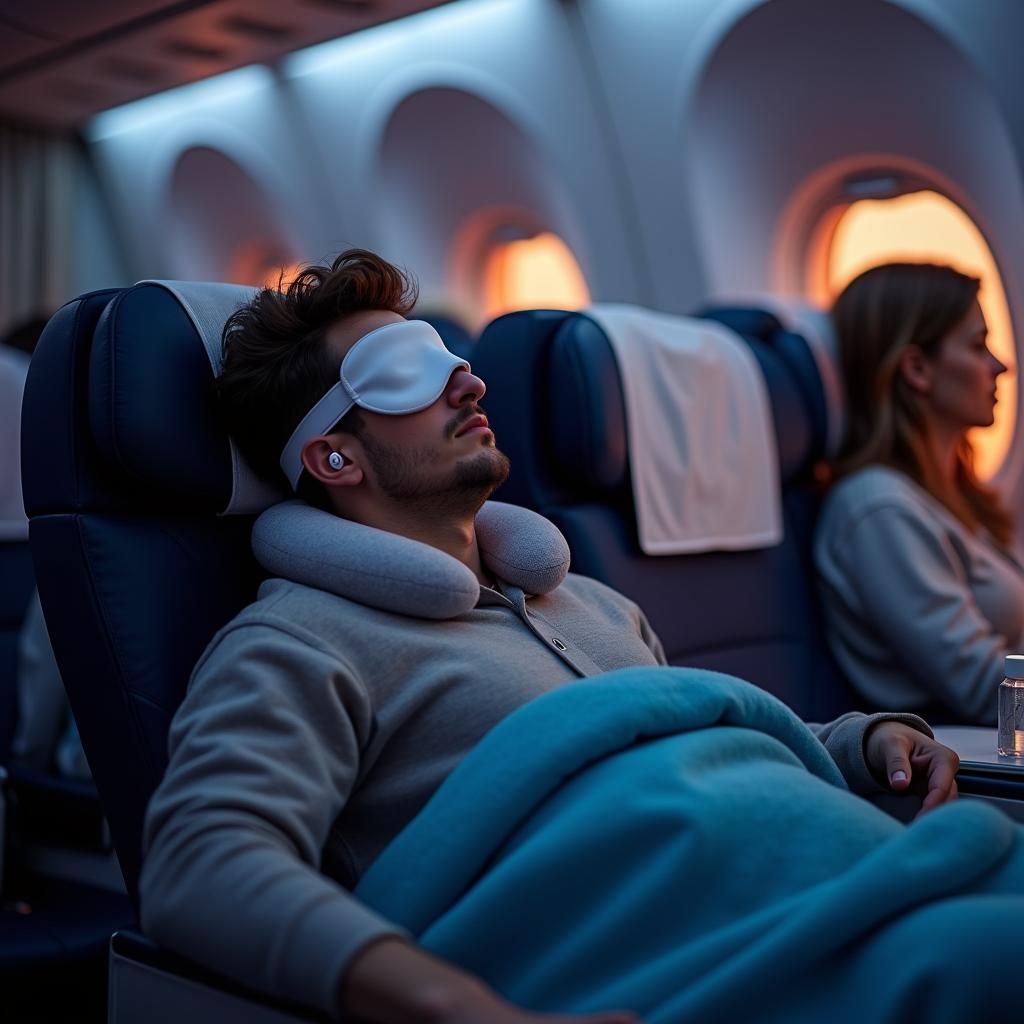
One of the biggest challenges travelers face, especially on long-haul international journeys, is jet lag. That groggy, disoriented feeling that hits you after crossing several time zones can easily ruin the first few days of your trip. But what if there was a smarter way to fly, one that helps you arrive at your destination well-rested and in sync with the local time? The secret lies in booking flights that align with your natural sleep schedule.
Jet lag isn’t just about tiredness. It’s your body’s internal clock struggling to adjust to a new time zone. However, with careful planning and a bit of knowledge about flight timing, travelers can significantly reduce jet lag and make their journeys more comfortable. In this comprehensive guide, we’ll explore how to book flights that match your sleep rhythm, the science behind jet lag, and insider tips to help you arrive refreshed and ready for adventure.
Understanding Jet Lag and Your Body Clock
To understand how flight timing affects jet lag, you first need to know how your circadian rhythm works. The circadian rhythm is your body’s internal 24-hour clock that regulates sleep, wakefulness, and energy levels. When you fly across multiple time zones, this clock becomes misaligned with local time.
For instance, if you leave Lagos at 10 PM and arrive in London at 5 AM, your body still thinks it’s midnight. This mismatch causes fatigue, insomnia, irritability, and sometimes even digestive issues. The more time zones you cross, the harder it becomes for your body to adapt.
Booking flights that match your sleep schedule helps your circadian rhythm transition more smoothly, reducing the unpleasant effects of jet lag.
The Science of Flight Timing and Jet Lag
The timing of your flight, both departure and arrival, can either ease or worsen jet lag. Generally, the direction you travel matters:
- Flying eastward (e.g., Nigeria to Dubai or London) shortens your day, making it harder to fall asleep earlier than usual.
- Flying westward (e.g., Nigeria to New York) lengthens your day, which is easier for most people to adapt to.
By choosing flight times that align with your sleep pattern, you can encourage your body to adjust naturally.
For example:
- If you usually sleep around 10 PM, try booking an overnight flight (also known as a red-eye flight) that allows you to rest during your usual bedtime.
- If you’re traveling east, consider arriving in the evening so you can sleep soon after landing.
- If you’re flying west, aim to arrive in the morning or early afternoon and stay awake until local bedtime.
How to Choose Flights That Match Your Sleep Schedule
1. Choose Overnight Flights for Long Journeys
If your trip covers multiple time zones, overnight flights are your best bet. They allow you to sleep naturally during travel and wake up closer to your destination’s morning. This mirrors your home sleep pattern and helps reduce fatigue.
2. Check Time Zone Differences Before Booking
Before choosing a flight, check how many hours ahead or behind your destination is. Apps like Time Buddy or Google’s time zone converter can help. Aligning your flight to arrive during daylight hours helps your body adapt to new time cues more easily.
3. Consider Your Personal Sleep Type (Chronotype)
Some people are naturally morning-oriented (“larks”), while others are night-oriented (“owls”). If you’re a morning person, choose flights that allow early arrival and sleep shortly after. Night owls should opt for flights that land in the evening or late night to maintain a familiar rhythm.
4. Avoid Flights That Land Too Early in the Morning
Arriving at 5 or 6 AM might sound convenient, but it often means you’ll reach your hotel hours before check-in. Unless you can sleep well on planes, you’ll spend your first day exhausted. Instead, choose flights that arrive mid-morning or afternoon so you can freshen up and adjust gradually.
5. Pay Attention to Layovers
Long layovers can throw off your rhythm even more. If you must connect, plan it around your sleep schedule. For example, take a nap during a long overnight layover or choose connecting flights that allow a continuous sleep window.
6. Book with Airlines Known for Comfortable Seats
Comfort matters, especially when trying to sleep mid-air. Airlines like Emirates, Qatar Airways, and British Airways are known for offering high-quality recline seats, dimmed cabin lights, and better inflight service for long-haul passengers. Even in economy, selecting seats with extra legroom or window seats can improve your sleep quality.
Preparing Before Your Flight
Adjust Your Sleep Schedule in Advance
Start shifting your bedtime one to two hours earlier or later (depending on the destination’s time difference) a few days before you fly. This helps your body gradually adapt before you even board the plane.
Hydrate Well
Dehydration worsens jet lag symptoms. Drink water regularly before and during the flight. Avoid caffeine and alcohol as they disrupt sleep and increase dehydration.
Eat Light and Smart
Opt for light, balanced meals before and during your flight. Heavy foods make it harder to sleep comfortably. Eating according to your destination’s meal times can also help your body adjust faster.
Bring Sleep Essentials
A neck pillow, sleep mask, and noise-canceling headphones can make a huge difference in your ability to rest mid-flight. Dim light and comfort are key to falling asleep while traveling.
In-Flight Strategies to Beat Jet Lag
Once on board, try to create a comfortable environment that supports your sleep schedule. Set your watch or phone to the destination’s time as soon as you board to mentally prepare for the new zone.
If it’s night-time at your destination, dim your screen, close the window shade, and avoid looking at bright lights. Try to sleep as much as possible. If it’s daytime at your destination, stay awake by reading, watching a movie, or stretching occasionally.
Limit caffeine intake and take short naps if needed, but avoid oversleeping so you can still rest at the correct time after arrival.
After Landing: Adjusting to the Local Time
Upon arrival, exposure to natural light helps reset your internal clock. If you arrive in the morning, spend time outdoors in daylight to signal your body that it’s time to stay awake. If you land at night, dim the lights and get to bed as soon as possible.
Avoid long naps during the first day. Instead, stay active until your destination’s normal bedtime. Within one or two days, your body should adapt more comfortably.
If your trip is short (less than three days), experts recommend sticking to your home time zone to avoid further confusion.
How to Save Money While Booking Smart Flights
Booking flights that suit your sleep schedule doesn’t have to be expensive. With smart timing and flexibility, you can find affordable options that also fit your rest pattern.
- Use flexible date searches to compare red-eye and day flights; sometimes overnight flights are cheaper.
- Book early to get access to a wider range of flight times.
- Consider stopovers in cities where your rest period aligns naturally with your sleep hours.
- Sign up for flight alerts to get notified when prices drop for your preferred travel times.
- Use a trusted travel service to help match your preferred flight schedule with affordable options.
Professional travel agencies, such as Oramus Travel Services, can tailor your itinerary to reduce jet lag, ensuring that your flight timing complements your rest schedule while staying within budget.
The Benefits of Booking Flights That Match Your Sleep Schedule
Aligning your flights with your natural sleep pattern can transform your travel experience. Benefits include:
- Reduced fatigue and jet lag symptoms
- Easier adaptation to new time zones
- Better mood and energy upon arrival
- Improved productivity for business travelers
- More enjoyable start to your vacation
These benefits not only make your journey smoother but also help you make the most of your time abroad—without wasting days recovering from exhaustion.
Jet lag doesn’t have to be an inevitable part of international travel. By booking flights that match your sleep schedule, you can take control of your body’s rhythm and arrive at your destination feeling refreshed, focused, and ready to explore. Choosing overnight flights, checking arrival times, and adjusting your routine before departure are small steps that deliver big results.
Whether you’re flying from Lagos to London, Dubai, or New York, thoughtful flight planning ensures that your travel experience begins the right way, rested and rejuvenated. For many travelers, the difference between a stressful trip and a smooth one lies in understanding their sleep cycle and how it interacts with time zones.
If you want expert help finding affordable flights that suit your rest pattern, comfort preferences, and budget, professional travel advisors can guide you every step of the way. Arrive rested, travel smart, and make every journey memorable.
Fill this FORM to book your flight today.

Other Articles

How Travel Restrictions and Policies Shape Flight Prices
Top Hotels with Private Villas in Nigeria, Dubai, and Maldives





No Comment! Be the first one.