


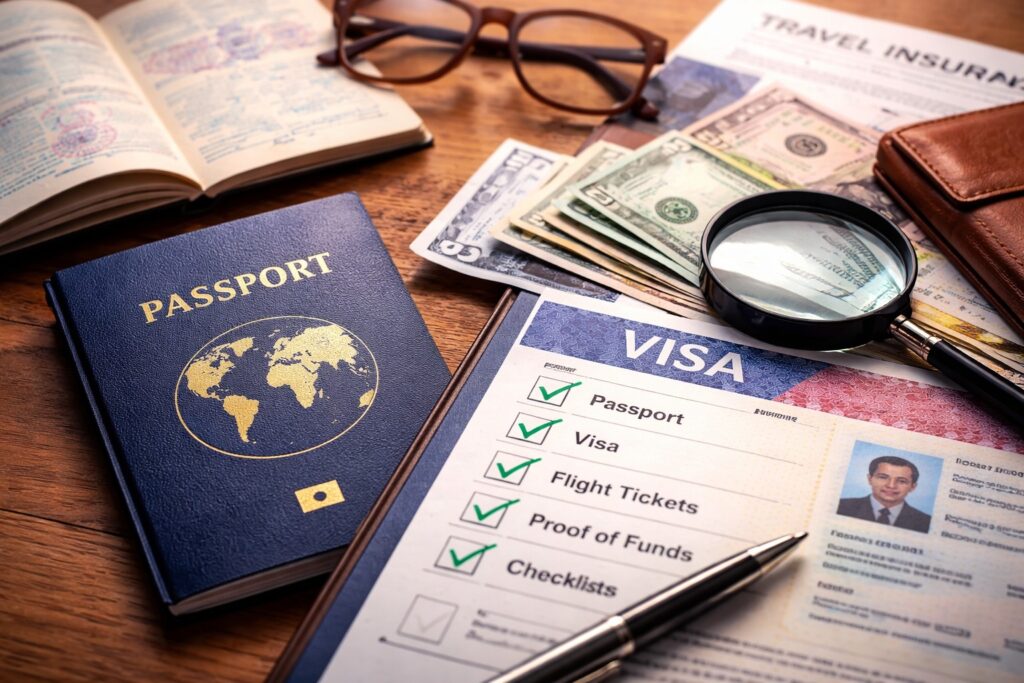
Being denied admission because of document errors is one of the most painful travel experiences anyone can face. You have planned, paid, packed, and mentally relocated, only to be stopped at the counter or border because of paperwork. No drama, no argument, just a firm “you cannot proceed.” The frustrating part is that most document-related denials are completely avoidable. They are rarely about bad intentions, they are about small mistakes, wrong assumptions, outdated information, or poor preparation.
This article breaks everything down clearly and professionally. Whether you are traveling for study, work, tourism, or business, you will learn how document errors happen, why authorities take them seriously, and the exact steps you can take to avoid them. Read this once, apply it properly, and save yourself stress, money, and embarrassment.
Understanding Admission Denial
Admission denial occurs when immigration officials refuse a traveler entry into a country at the point of arrival, even when a valid visa is presented. It is important to understand that a visa does not guarantee entry. It only allows you to travel to the border and request admission. Immigration officers make the final decision based on your documents, purpose of travel, and compliance with entry rules at that time.
Document errors remain one of the most common reasons travelers are denied admission, especially among first-time travelers and those who do not prepare properly.
Common Document Errors That Lead to Denial
Passport-Related Errors
Your passport is the most important travel document. Any issue here can invalidate your entire trip. Common passport problems include insufficient validity, damaged pages, missing blank pages, or mismatched personal details. Many countries require a minimum of six months validity beyond your travel date. A damaged or nearly expired passport can result in immediate denial.
Visa Errors and Inconsistencies
Visa mistakes are another major cause of entry refusal. These include using the wrong visa type for your purpose of travel, expired visas, incorrect validity dates, or errors in name and passport number. Some travelers also misuse single-entry visas for multiple trips. Immigration officers do not correct visa errors at the border. Any mistake is treated as non-compliance.
Missing or Incomplete Supporting Documents
Supporting documents play a critical role during admission checks. These may include hotel bookings, return tickets, proof of funds, travel insurance, admission letters for students, or invitation letters for business and work travel. If an officer requests a document and you cannot provide it, your credibility is weakened and denial becomes likely.
Inconsistent Information Across Documents
Consistency is essential. Differences between your visa, ticket, accommodation, and verbal answers raise serious concerns. Conflicting travel dates, mismatched job titles, or unclear purpose of travel suggest poor preparation or possible misrepresentation. Immigration officers are trained to detect inconsistencies and treat them as red flags.
Expired or Outdated Documents
Expired documents are not negotiable. Old bank statements, expired insurance policies, outdated invitation letters, or previous admission letters that no longer apply can all lead to refusal. Always confirm the acceptable validity period for every supporting document before travel.
Why Document Accuracy Matters to Immigration Authorities
Immigration officials rely on documents to assess intent, credibility, and compliance. Their responsibility is to protect borders, prevent overstays, and ensure travelers follow the purpose of their visas. When documents are incorrect, incomplete, or inconsistent, officers assume risk. They are not obligated to give travelers the benefit of doubt.
How to Avoid Document Errors
Start Preparation Early
Early preparation reduces mistakes. Begin organizing your documents months ahead for long-term travel and several weeks ahead for short-term trips. This allows time to review, verify, and correct errors without pressure.
Use a Detailed Document Checklist
A written checklist helps prevent oversight. Include all required documents and tick them off only after proper verification. This simple step significantly reduces errors.
Verify Every Detail
Check all personal and travel details carefully. Names, dates, passport numbers, visa categories, and travel dates must match across all documents. Cross-checking documents side by side helps identify errors early.
Understand Destination-Specific Entry Rules
Each country has unique entry requirements. Some require proof of funds, accommodation details, or health documentation at arrival. Always rely on official embassy or immigration sources for accurate information.
Carry Organized Physical and Digital Copies
Carry original documents, photocopies, and digital backups. Keep them neatly arranged. Disorganized documents can create unnecessary suspicion during entry checks.
Be Honest and Consistent
Your answers must align with your documents. State your purpose of travel clearly and confidently. Inconsistency between documents and verbal responses often leads to denial.
Special Considerations for Students
Students are often closely scrutinized. Ensure you carry a valid admission letter, proof of tuition payment or deposit, financial sponsorship documents, accommodation details, and academic records. You should know your course, institution, and duration clearly.
Special Considerations for Workers and Business Travelers
Work and business travel require precise documentation. Ensure your visa matches your role, invitation letters are current and detailed, and employer documents are authentic. Business travel should not be confused with employment, as immigration authorities treat them differently.
What to Do If You Discover an Error Before Travel
If you notice an error, do not travel with the hope that it will be overlooked. Contact the issuing authority or embassy to correct the issue. It is always better to delay travel than face denial and possible future restrictions.
Consequences of Admission Denial
Being denied admission can result in immediate return at your expense, emotional stress, financial loss, and possible entry records that affect future travel. Some denials can complicate future visa applications.
The Value of Professional Travel Guidance
Many document errors occur due to assumptions or misinformation. Professional travel consultants help review documents, identify risks, and ensure compliance with country-specific rules. This support reduces errors and increases confidence during travel.
Conclusion
Document errors are one of the easiest ways to ruin an otherwise well-planned trip. Fortunately, they are also among the most preventable travel problems. Careful preparation, attention to detail, consistency, and early verification make a significant difference. Travel rewards those who respect process and preparation. When documents are handled correctly, travel becomes smoother, safer, and far less stressful
Fill this FORM to start your study abroad journey.
FORM

Other Articles

How to Know if a Visa Update Online Is Real or Fake




No Comment! Be the first one.