



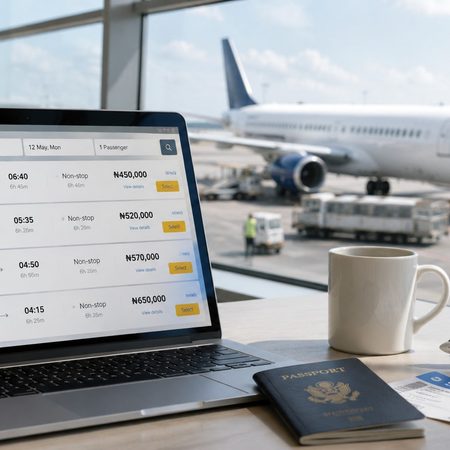
Airline ticket prices are not static; they fluctuate constantly in response to market demand, seat availability, and competitive activity. Observing a fare change within a few hours is not uncommon, and understanding the reasons behind these variations is essential for any informed traveler. Strategic timing when searching and booking flights can result in significant cost savings, providing both financial and logistical advantages.
By examining the mechanisms that drive these daily pricing adjustments and adopting practical strategies to monitor fare changes, travelers can make more informed decisions. This knowledge transforms the flight booking process from a routine task into a calculated and efficient approach, ensuring optimal outcomes for both frequent and occasional travelers alike.
How Airlines Set Their Prices
Airlines use dynamic pricing, a system that updates fares in real-time based on multiple factors. These include the number of available seats, how many people are browsing or booking a flight, competitor pricing, historical trends, and even predictive modeling.
The goal is simple: maximize revenue while keeping flights full. But for travelers, it means prices can swing dramatically over hours or even minutes. A seat that was affordable in the morning may cost significantly more by evening if the algorithm detects high interest. Conversely, a flight with many empty seats could drop in price later in the day to encourage bookings.
Why Timing Matters
Checking flights at different times of the day can make a noticeable difference in price. Here’s what usually happens:
- Morning Updates
Airlines often adjust fares after analyzing overnight searches and bookings. If a flight saw few bookings, prices may drop early in the morning to encourage sales. On the other hand, if demand was high, the algorithm may push prices up. - Afternoon Adjustments
As more people browse flights during the afternoon, airlines can respond to increased interest or competitor pricing changes. Afternoon searches may catch new deals or reveal rising fares if a flight is filling fast. - Evening Patterns
Evenings are peak browsing hours for many travelers. Airlines anticipate this, adjusting fares to capitalize on higher traffic or offering limited-time promotions to spur action.
Factors Behind Intraday Price Swings
Understanding what drives price changes helps you book strategically:
- Seat Inventory: Airlines allocate seats into different fare classes. Once the cheaper seats are sold, the remaining tickets jump to higher price categories.
- Competitor Activity: Airlines monitor each other closely. A competitor’s discount can trigger price changes across the same route.
- Browsing Behavior: If you or other users repeatedly search a flight, algorithms may detect high interest and adjust fares upward.
- Predictive Demand: Airlines use past trends to forecast booking patterns and adjust prices based on when they expect flights to sell out.
- Flash Sales & Promotions: Some deals are only available at specific hours, creating short-term dips in price that savvy travelers can catch.
How to Book Smarter
Here’s how to use timing to your advantage:
- Track Prices Multiple Times a Day
Checking fares at different hours increases your chance of finding a drop. Use fare alerts or price tracking tools to automate this process. - Use Incognito Mode
Repeated searches can trigger slight price increases. Private browsing prevents airlines from detecting your repeated interest. - Be Flexible
Shifting your travel date, departure time, or airport even by a day can reveal cheaper fares. Flexibility is often more valuable than speed. - Pay Attention to Promotions
Airline newsletters, social media, and apps often announce time-sensitive deals. Signing up can give you early access to lower fares. - Consider Off-Peak Booking Hours
Very early mornings or late nights are less busy, which sometimes translates into lower prices.
Common Myths About Flight Prices
- “Flights are always cheapest at night”
Not necessarily. Prices depend on algorithms and demand patterns, not just the hour. - “Morning searches guarantee the lowest fare”
Morning fares reflect overnight updates, but demand fluctuations during the day can push prices higher or lower. - “Repeated searches don’t affect pricing”
While it’s a minor effect, algorithms may adjust fares if they detect repeated searches from the same user.
Conclusion
Flight prices are constantly in motion, reacting to demand, competition, and airline strategy. By checking flights at different hours, staying flexible, and using tracking tools, travelers can find better deals and avoid overpaying. Timing isn’t everything, but it’s one of the most practical levers you have when booking. With attention, patience, and a little planning, you can turn what seems like an unpredictable pricing system into a strategic advantage, saving money while traveling smarter.
Fill this FORM to book your flight today.
FORM

Other Articles
How to Avoid Being Denied Admission Due to Document Errors




No Comment! Be the first one.