



Studying abroad is often portrayed as an exciting adventure, new cultures, new friends, and new academic opportunities. But while the thrill of living in a foreign country is undeniable, the academic journey is no small feat. Courses abroad can be more challenging than many expect, with different teaching styles, stricter grading systems, and unique expectations. For some students, this leads to a dreaded reality: failing a course. While failing a course abroad may feel catastrophic, it is far from the end of your academic journey. Understanding the implications, your options, and the steps to recover is essential.
This article breaks it all down, giving you clarity, confidence, and practical advice for navigating this challenging scenario.
Understanding Academic Failure Abroad
Failing a course while studying abroad can be a shocking experience. Unlike at home, the consequences may feel more intense because you are far from your usual support network. Academic failure is typically recorded on your transcript and may affect your overall grade point average (GPA), academic standing, or eligibility for certain programs. Every institution has its own policies regarding failure, so knowing the rules of your host university is crucial. Some universities may offer a second chance through re-examinations or retaking the course, while others may enforce stricter consequences, such as probation or withdrawal from the program.
Immediate Consequences of Failing a Course
The immediate effects of failing a course abroad usually fall into three categories: academic, financial, and personal.
- Academic Consequences:
Failing a course may lower your GPA, which can affect your eligibility for scholarships, exchange programs, or progression to advanced courses. Certain professional programs may have strict requirements, meaning a failure could delay graduation or prevent you from taking prerequisite courses. - Financial Implications:
Some students may need to retake the course, often paying tuition fees again. Additionally, scholarships or financial aid may be contingent on maintaining a certain GPA, so failing could impact your funding. - Visa and Immigration Considerations:
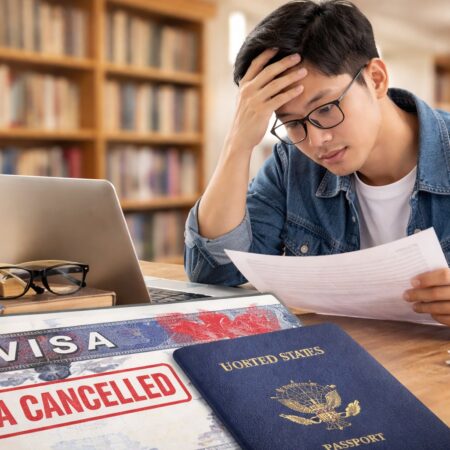
If you are studying abroad on a student visa, academic performance is often monitored. Repeated failures may affect your visa status, as authorities generally require students to maintain satisfactory progress.
Why Students Fail Abroad
Failing a course abroad is rarely about a lack of intelligence or effort. Various factors can contribute, including:
- Cultural and Academic Adjustment: Different grading systems, expectations, and teaching styles can be confusing.
- Language Barriers: Studying in a non-native language adds an extra layer of difficulty.
- Homesickness and Mental Health: The stress of living in a new environment can affect concentration and performance.
- Poor Time Management: Balancing academic demands with travel, social activities, and part-time work is often challenging.
Understanding the root cause of failure is important, as it allows you to address the issue and prevent recurrence.
Steps to Take After Failing a Course
Failing a course abroad is not the end. Immediate action can minimize long-term impact. Here are practical steps to follow:
- Confirm the Result:
Check your grades officially through your university portal. Mistakes do happen, so confirm that the failure is accurate. - Meet Your Academic Advisor:
Schedule a meeting to discuss options. Advisors can guide you on retakes, alternative courses, or remedial programs. - Understand Retake Policies:
Many universities allow students to retake courses or take supplementary exams. Knowing deadlines and requirements is essential. - Assess Visa Implications:
If your student visa is tied to academic performance, contact the international student office to understand potential impacts and steps to remain compliant. - Plan Financially:
Factor in tuition for retaking courses and potential living costs if your study period extends. Planning early prevents unnecessary stress. - Seek Support:
Many universities provide counseling services, tutoring, and peer mentoring. These resources help you overcome academic challenges and emotional stress.
Retaking a Course Abroad
Retaking a course is often the most common way to recover from failure. Policies differ by institution:
- Replacement of Grades: Some universities replace the failed grade with the new one, potentially improving your GPA.
- Average Calculation: Others may average the failed and retaken grades, which could still impact your GPA but shows improvement.
- Time Limits: Some programs limit the number of times a course can be retaken, so prompt action is crucial.
Planning your retake strategically, understanding deadlines, and using available support systems significantly increase your chances of success.
Academic Probation and Suspension
If you fail multiple courses, you may face probation or even suspension. Academic probation usually involves conditions such as:
- Maintaining a minimum GPA in subsequent semesters.
- Limiting course loads to focus on improvement.
- Mandatory meetings with academic advisors.
Suspension or dismissal is a more severe consequence and may require leaving the program temporarily or permanently. Understanding these rules helps you act proactively rather than reactively.
Psychological and Emotional Considerations
Failing a course abroad can be stressful, impacting your confidence and motivation. It is normal to feel disappointed, but dwelling on guilt or fear will not help. Focus on:
- Self-Reflection: Identify what went wrong academically and personally.
- Seeking Support: Use counseling, mentors, or support groups to cope with stress.
- Setting New Goals: Reframe the failure as a learning opportunity, not a permanent setback.
Remember, academic failure does not define your potential or worth. Many students recover and go on to excel academically and professionally.
Strategies to Avoid Future Failures
Prevention is always better than recovery. Here are strategies for staying on track:
- Stay Organized: Keep a calendar of assignments, exams, and deadlines.
- Seek Help Early: Use tutors, study groups, or office hours if struggling.
- Understand Grading and Expectations: Learn how your professors grade and the specific requirements for passing.
- Balance Life and Study: Avoid overcommitting to travel or work at the expense of academics.
- Monitor Progress: Regularly check your grades and performance to address issues before they become serious.
Conclusion
Failing a course abroad is undoubtedly challenging, but it is not the end of the road. Understanding the academic, financial, and visa-related consequences allows students to act decisively and responsibly. With proper planning, retakes, and support, recovery is not only possible but can strengthen resilience and self-discipline. The key is to treat failure as a learning opportunity, address the root causes, and leverage available resources. Every student’s journey abroad includes challenges, and failing a course can become a pivotal moment that ultimately shapes personal growth, academic excellence, and long-term success.
Fill this FORM to start your study abroad journey.
FORM

Other Articles




No Comment! Be the first one.