


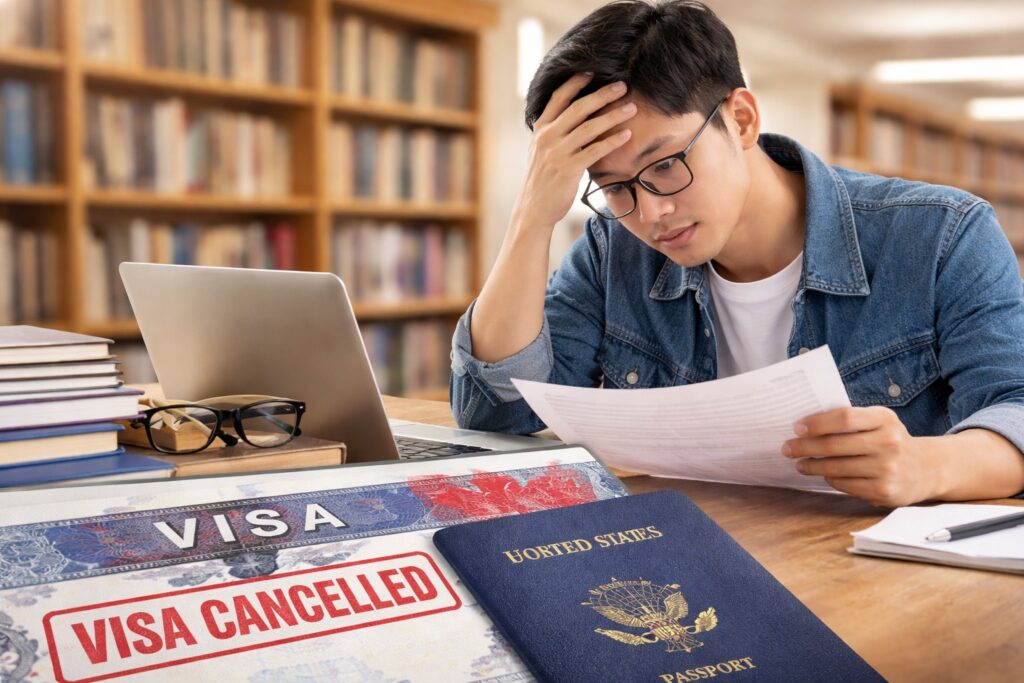
Studying abroad is a dream many students work hard to achieve. It takes courage to leave your home country, invest your savings, and trust a foreign system with your future. Getting a study visa often feels like the biggest hurdle. Once it is approved, many students relax, believing the difficult part is over. Unfortunately, that assumption can be costly.
A study visa is not a lifetime pass. It comes with strict conditions, and immigration authorities expect full compliance from the first day until graduation. Every year, students lose their study visas midway through their programs. Some cases happen because of ignorance, others because of negligence, and a few because of deliberate violations. Whatever the reason, the consequences are serious.
If you are studying abroad or planning to, this article will help you understand why study visas are revoked and how to protect your academic journey.
1. Failure to Maintain Full-Time Enrollment
Most countries require international students to maintain full-time enrollment throughout their studies. Immigration authorities issue study visas based on the understanding that the student’s primary purpose is education.
If a student drops below the required credit load without approval, it can trigger a violation of visa conditions.
In countries like the United States, international students on F-1 visas must maintain full-time status unless they receive official authorization for a reduced course load. The same principle applies in the United Kingdom, Canada, and Australia.
Common mistakes include:
- Dropping courses without consulting the international office
- Taking an unauthorized semester break
- Failing to register for classes on time
Once a school reports non-compliance to immigration authorities, the visa status may be terminated.
2. Poor Academic Performance
Many students do not realize that academic performance can affect visa status.
Some institutions have minimum GPA requirements for international students. If a student repeatedly fails courses or is placed on academic probation without improvement, the institution may withdraw sponsorship. When that happens, immigration authorities can cancel the visa.
It is not just about intelligence. Sometimes the issue is poor adaptation, language barriers, financial stress, or mental health struggles. However, immigration systems focus on compliance, not excuses.
If a student is academically dismissed, their visa status often ends immediately.
3. Unauthorized Employment
This is one of the most common reasons students lose their study visas.
Most countries allow limited work hours for international students. However, strict rules apply regarding:
- Number of hours per week
- Type of employment
- On-campus versus off-campus work
- Work during academic sessions versus holidays
For example, in Canada, students can work a set number of hours per week during academic sessions, with temporary policies sometimes expanding that limit. In the United Kingdom, students on a Student visa typically have a capped weekly work limit during term time.
Working beyond permitted hours, engaging in cash jobs without documentation, or taking unauthorized self-employment can lead to visa revocation.
Immigration authorities conduct random checks and data matching. Employers also face penalties, so some report violations.
The moment employment rules are breached, the student risks removal from the country.
4. Providing False Information
Any form of misrepresentation can destroy a student’s visa status.
This may include:
- Submitting fake financial documents
- Using fraudulent admission letters
- Presenting altered academic transcripts
- Lying during visa interviews
Some students rely on dishonest agents who promise “guaranteed” visas. If immigration authorities later discover discrepancies, the visa can be canceled, even if the student has already started school.
Misrepresentation does not expire easily. In some countries, it can result in multi-year bans from re-entry.
It is better to face a visa refusal honestly than to live with the risk of deportation later.
5. Criminal Offenses
Breaking the law, even in ways that seem minor, can have immigration consequences.
Offenses such as:
- Driving under the influence
- Shoplifting
- Assault
- Drug possession
may lead to arrest, conviction, and visa cancellation.
Immigration systems share data with law enforcement. Once charged or convicted, a student’s legal status may be reviewed.
Even if a case is still pending, it can affect visa renewals or travel permissions.
Students must understand that being in a foreign country requires extra caution. The tolerance for legal trouble is extremely low when immigration status is involved.
6. Expired or Invalid Documents
A study visa has an expiration date. So does a passport.
Some students forget to renew their:
- Passport
- Visa
- Residence permit
- Biometric card
If documents expire and the student continues to stay without renewal, they become out of status.
In the Australia, for instance, visa conditions are digitally monitored, and overstaying can quickly trigger automatic breaches. In the United States, remaining beyond authorized stay can result in unlawful presence, which carries severe consequences.
It is the student’s responsibility to monitor expiry dates. Immigration authorities do not send reminders in most cases.
7. Transferring Schools Without Proper Notification
Changing institutions may seem simple academically, but it can be complex legally.
Many countries require:
- Official release from the previous institution
- Updated Confirmation of Enrollment
- Notification to immigration authorities
Failure to follow proper transfer procedures can invalidate the visa.
In the United Kingdom, student visas are tied to licensed sponsors. If sponsorship changes without notification, it can result in curtailment of leave. Similar systems exist in the Canada.
Always consult your school’s international office before initiating a transfer.
8. Financial Instability
When applying for a study visa, students must show proof of funds. Immigration authorities expect that financial stability will continue throughout the program.
If tuition fees remain unpaid for long periods, institutions may withdraw enrollment. Once enrollment is canceled, visa sponsorship usually ends.
Additionally, if a student becomes unable to support themselves and engages in unauthorized work to survive, the situation worsens.
Financial planning is not optional. It is a visa requirement.
9. Taking an Unapproved Leave of Absence
Life happens. Illness, family emergencies, or personal crises may require a break from studies.
However, taking a leave without official approval can violate visa terms.
Some countries allow authorized medical or compassionate leave. But documentation must be submitted, and immigration authorities may need to be informed.
Disappearing from classes without explanation often leads to reporting and visa cancellation.
10. Non-Attendance and Poor Compliance Reporting
Many institutions are required by law to monitor attendance and report non-compliance.
If a student:
- Stops attending lectures
- Fails to engage academically
- Ignores official communication
the school may report them.
In the United Kingdom, attendance monitoring is strict. Sponsors must track engagement and report concerns. The United States uses SEVIS reporting systems to monitor international students.
Once reported, immigration authorities may shorten or cancel the visa.
What Happens After a Visa Is Canceled?
Consequences can include:
- Immediate requirement to leave the country
- Deportation
- Re-entry bans
- Difficulty obtaining future visas
- Financial loss
- Academic disruption
In many cases, students have limited time to appeal or regularize their status. Legal advice may be necessary, but options can be limited depending on the violation.
How Students Can Protect Their Study Visa
Prevention is always better than damage control. Here are practical steps to stay compliant:
- Understand Your Visa Conditions
Read every document issued with your visa. Do not rely on assumptions or hearsay. - Maintain Full-Time Enrollment
Never drop courses without consulting your international office. - Work Within Legal Limits
Keep accurate records of work hours. Avoid cash jobs that bypass official systems. - Monitor Expiry Dates
Set calendar reminders for passport and visa renewals. - Communicate With Your School
If you face academic or personal challenges, speak early. Silence creates problems. - Keep Financial Records Organized
Plan tuition and living expenses well in advance. - Avoid Legal Trouble
Respect the laws of your host country at all times. - Seek Professional Advice When Unsure
Immigration rules change. Always confirm information through official sources.
Conclusion
A study visa is both an opportunity and a responsibility. It gives access to world-class education, international exposure, and career opportunities. But it also comes with strict expectations.
Many students lose their study visas not because they are bad people, but because they underestimate the seriousness of compliance. Small decisions, repeated over time, can build into major violations.
If you are studying abroad, treat your visa status like a fragile asset. Protect it. Monitor it. Respect it.
Your academic dream deserves discipline, not shortcuts. And in international education, compliance is not optional. It is survival.
Fill this FORM to start your study abroad journey.
FORM

Other Articles




No Comment! Be the first one.