


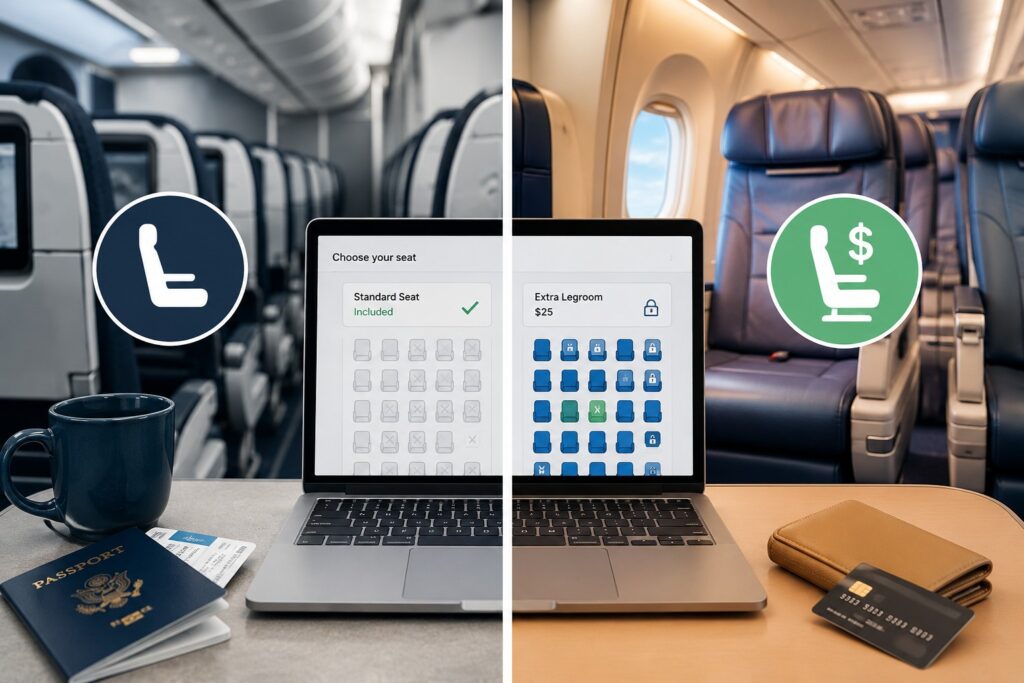
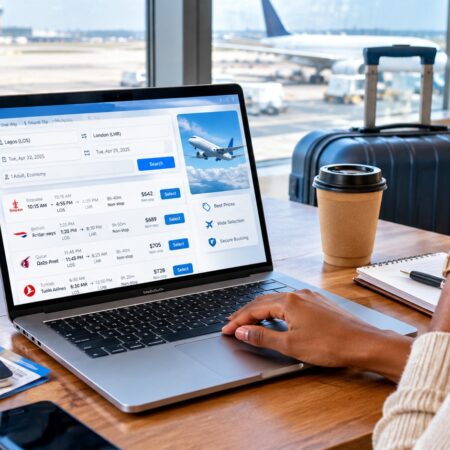
You have found the perfect flight, compared prices, and completed your booking. Then, just before payment, you notice another charge for choosing your preferred seat. It can be frustrating, especially when another airline offers seat selection at no extra cost. This often leaves many travelers wondering why airlines have different policies for something as simple as selecting a seat.
The truth is that seat selection is more than just choosing where to sit. It is part of how airlines price their tickets, manage demand, and generate revenue. Understanding why some airlines charge for seat selection while others include it in the ticket price can help you make smarter booking decisions and avoid unexpected costs. Whether you travel occasionally or fly regularly for business or leisure, knowing how airline seat selection works can save you both money and unnecessary stress.
The Rise of Unbundled Pricing
To understand why seat selection fees exist at all, it helps to look at how airline ticket pricing has evolved over the past two decades. Traditionally, an airline ticket included everything: a checked bag, a meal, in-flight entertainment, and a seat of your choosing. Today, many airlines, particularly budget and low-cost carriers, have moved to what the industry calls “unbundled pricing.” This model breaks the total cost of flying into separate components. The base fare covers only the seat itself and transportation from point A to point B. Everything else, including baggage, meals, priority boarding, and seat selection, is offered as an optional add-on.
This approach allows airlines to advertise lower headline fares, which appear more attractive in search engine comparisons and travel booking platforms. A traveller searching for flights is more likely to click on the cheapest listed price, even if the final cost, once extras are added, ends up similar to a full-service competitor. Seat selection fees are simply one piece of this larger unbundling strategy.
Why Some Airlines Charge for It
Airlines that charge for seat selection typically justify the fee in a few ways. First, certain seats are genuinely more desirable and, therefore, treated as premium inventory. Extra legroom seats near the front of the cabin, aisle seats, and seats with additional recline are in higher demand, so airlines price them accordingly, much like hotels charge more for rooms with better views.
Second, low-cost carriers operate on thin profit margins and rely heavily on ancillary revenue, meaning money earned from services beyond the base ticket. According to industry pricing patterns, ancillary fees, including seat selection, baggage, and priority boarding, can account for a significant portion of a budget airline’s total revenue. Without these additional charges, many low-cost carriers would not be able to sustain their famously low base fares.
Third, charging for seat selection allows airlines to encourage passengers to check in early or purchase higher-tier fare bundles that include seat selection as part of a package. This nudges travellers toward spending more overall, even if they initially intended to book the cheapest option available.
Why Other Airlines Don’t Charge
On the other hand, many full-service or legacy carriers still offer complimentary seat selection, particularly for passengers who have paid for premium economy, business, or first-class tickets. These airlines position themselves differently in the market. Their brand promise is built around comfort, service, and a more traditional, all-inclusive flying experience. Charging for something as basic as seat selection would contradict that image and risk alienating loyal customers who expect a certain standard of service.
Full-service airlines also tend to generate substantial revenue through corporate contracts, loyalty programs, and premium cabin sales, reducing their reliance on smaller ancillary fees like seat selection. For these carriers, offering free seat selection, especially for elite frequent flyers, functions as a loyalty perk that encourages repeat bookings and brand allegiance rather than a lost revenue opportunity.
Additionally, some airlines only waive the fee under specific circumstances, such as for passengers travelling with young children, individuals requiring special assistance, or those who have purchased a fully flexible or higher-tier fare. This creates a layered system where the same airline might charge one traveller for a seat while offering it free to another, depending on their fare class or circumstances.
What This Means for Travellers
For everyday travellers, the practical implication is simple: always read the fare conditions carefully before assuming a seat is guaranteed at no extra cost. When booking with a budget carrier, it is wise to factor the seat selection fee into your total trip budget from the outset, rather than treating it as an unexpected charge later. If seating together with family or travel companions matters to you, it is generally safer to pay the fee upfront rather than risk being separated and having to negotiate with cabin crew after boarding.
It is also worth noting that airlines are not obligated to guarantee specific seating arrangements for passengers who decline to pay, even for families travelling with young children, although many carriers make reasonable efforts to seat families together where possible. Checking a carrier’s specific seating policy before departure, rather than assuming standard practice applies, remains the safest approach.
Making Informed Choices
Ultimately, whether an airline charges for seat selection comes down to its broader business model and target market. Budget carriers rely on unbundling to keep advertised fares competitive, while full-service airlines often build seat selection into the overall travel experience they are selling. Neither approach is inherently better; they simply serve different types of travellers with different priorities.
The key takeaway for anyone booking a flight is to compare the total cost of travel, not just the base fare. A slightly higher upfront ticket price on a full-service airline may ultimately work out cheaper, or at least more predictable, than a budget fare with multiple add-ons. By understanding why these fees exist and how airline pricing structures work, travellers can make more informed decisions, avoid unnecessary surprises at checkout, and choose the airline that best matches their comfort expectations and budget.
Fill this FORM to book your flight today.
FORM

Other Articles
What to Do If an Airline Loses Your Luggage

No Comment! Be the first one.