


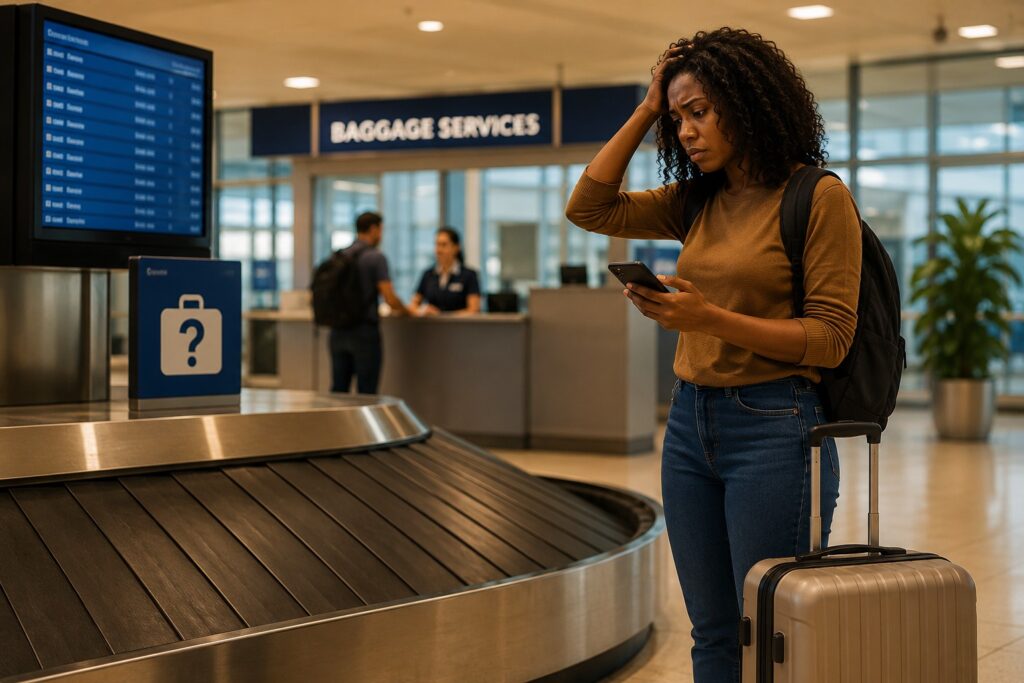
Nothing can ruin the excitement of arriving at your destination faster than discovering that your luggage did not arrive with you. Whether you are traveling for business, a family vacation, a honeymoon, or an important event, missing baggage can create unnecessary stress and uncertainty. Fortunately, losing your luggage does not always mean it is gone forever. In many cases, airlines successfully locate and return delayed bags within a few days. Knowing the right steps to take immediately can significantly improve your chances of recovering your belongings quickly while protecting your rights as a passenger.
This guide explains exactly what to do if an airline loses your luggage and how to minimize the inconvenience.
Stay Calm and Act Immediately
The first and most important step is to report the missing bag before you leave the airport. Airlines have strict windows for filing claims, and delaying this step can weaken your case significantly. Head directly to the airline’s baggage service office, usually located near the baggage claim area, and explain the situation calmly to a representative.
Do not leave the airport without filing a formal report. This is not merely a formality, it creates an official record that your luggage did not arrive, which is essential for any compensation or reimbursement claim later.
File a Property Irregularity Report (PIR)
When you report your missing luggage, the airline will ask you to complete what is known as a Property Irregularity Report, or PIR. This document includes your flight details, a description of your bag, its contents, and your contact information. Be as detailed and accurate as possible.
Request a copy of this report before leaving the counter. It typically includes a reference or file number that you will need for all future correspondence with the airline. Keep this number safe, write it down, photograph it, and store it in your email as well.
Keep All Your Travel Documents
Hold onto your boarding pass, baggage claim tag, and ticket receipt. These documents serve as proof of travel and are often required when filing a formal claim or seeking reimbursement. Airlines may ask for these at multiple stages of the process, so resist the temptation to discard them once you leave the airport.
Ask About Immediate Assistance
Most major airlines provide an allowance for essential items while you wait for your luggage to be located. This can include toiletries, a change of clothes, and other necessities, particularly if you are far from home. Policies vary between airlines and regions, so ask the representative directly what assistance is available to you. In many cases, you will need to keep receipts for these purchases in order to be reimbursed.
Do not assume you are entitled to nothing simply because no one mentions compensation. Ask clearly and directly, and take notes on what you are told, including the name of the representative you spoke with.
Track Your Bag Online
Many airlines now offer online tracking systems that allow you to monitor the status of your delayed luggage using your PIR reference number. This can provide peace of mind and save you from repeated phone calls. Bookmark the tracking page and check it periodically, but do not rely on it exclusively, follow up with the airline directly if there is no movement within 24 to 48 hours.
Understand the Airline’s Timeline
Most airlines consider a bag “delayed” for the first few days and only officially classify it as “lost” after a set period, commonly between five and twenty-one days, depending on the airline and whether your flight was domestic or international. During this window, the airline will typically attempt to locate your bag and deliver it directly to your address once found, so it is important to provide accurate contact and delivery information.
Know Your Rights and Compensation Limits
For international flights, compensation for lost or delayed baggage is often governed by the Montreal Convention, which sets liability limits for airlines. For domestic flights, individual countries and airlines have their own specific policies and compensation caps. It is worth researching the specific regulations that apply to your journey, as this knowledge can be a powerful tool when negotiating a fair settlement.
If your bag is officially declared lost, you will typically need to submit a detailed inventory of its contents, along with estimated values and, where possible, receipts or proof of purchase. Photographs of your packed luggage, taken before your trip, can be extremely helpful in supporting your claim. Consider making this a habit for future travels, a quick photo of your open suitcase before you zip it shut costs nothing and could save you considerable frustration later.
Consider Travel Insurance
If you have travel insurance, contact your provider as soon as possible after filing the airline report. Many policies cover lost, delayed, or damaged luggage, sometimes with more generous terms than the airline itself offers. Keep every document, receipt, and reference number, as insurers will require thorough evidence to process your claim.
Follow Up Persistently but Politely
If days pass without updates, do not hesitate to follow up with the airline through multiple channels, phone, email, and social media customer service accounts, which are often surprisingly responsive. Remain polite but firm, and keep a written record of every interaction, including dates, times, and the names of the people you speak with.
Conclusion
Losing your luggage is undeniably stressful, but it does not have to ruin your trip or leave you empty-handed. By acting quickly, documenting everything, understanding your rights, and following up consistently, you place yourself in the best possible position to recover your belongings or receive fair compensation. Travel is meant to be enjoyable, and even in the face of this common inconvenience, a calm and informed approach will always serve you best. Pack smart, stay prepared, and let nothing, not even a missing suitcase dampen the joy of your journey.
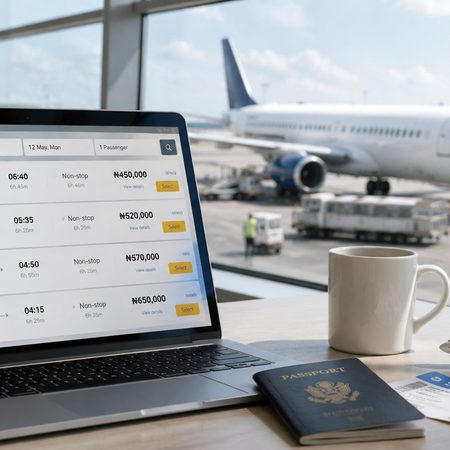
Fill this FORM to book your flight today.
FORM






No Comment! Be the first one.