



You booked a ticket with an airline you trust, checked in with confidence, and then arrived at the gate only to discover a completely different airline’s aircraft waiting for you. No, you did not board the wrong flight. This is the quiet reality of modern air travel, and it happens far more often than most passengers realise. Codeshare agreements shape a large percentage of international itineraries today, yet many travellers only learn what the term means after a moment of confusion at the airport. Understanding this single detail before you fly could save you from missed connections, baggage headaches, and unnecessary stress on your next trip.
What Exactly Is a Codeshare Flight?
A codeshare flight is a single flight that is marketed and sold by two or more airlines, even though only one airline actually owns and operates the aircraft. In simple terms, the airline you booked your ticket with may not be the airline that flies the plane. Instead, that airline has a commercial partnership with another carrier, allowing both to sell seats on the same flight under their own individual flight numbers.
For example, you might purchase a ticket showing “Airline A, Flight 202,” yet when you check in, you discover the aircraft, cabin crew, and ground staff all belong to “Airline B.” Airline A did not make an error. It simply sold you a seat on a flight operated by its partner, Airline B, under a codeshare agreement.
This practice is extremely common among airlines that belong to global alliances such as Star Alliance, SkyTeam, and Oneworld, as well as between airlines with independent bilateral partnerships. It allows carriers to expand their route networks without purchasing additional aircraft or opening new routes themselves.
Why Do Airlines Use Codeshare Agreements?
Airlines rely on codeshare arrangements for several strategic reasons, and understanding these reasons helps explain why the practice has become so widespread:
- Wider route coverage: An airline can offer flights to destinations it does not physically serve, simply by placing its flight number on a partner’s aircraft.
- Seamless connections: Passengers travelling across multiple countries can often book a single itinerary that combines flights from different airlines, rather than juggling separate bookings.
- Cost efficiency: Airlines avoid the heavy expense of operating new routes independently while still earning revenue from ticket sales.
- Stronger alliance networks: Codeshare deals reinforce partnerships within global alliances, making it easier for frequent flyers to earn and redeem miles across multiple airlines.
- Competitive presence: Airlines can maintain visibility on popular routes even when they do not have the operational capacity to fly them directly.
For travellers, this often translates into more flight options, more convenient schedules, and sometimes better fares, provided the fine print is properly understood.
How Codeshare Flights Affect Your Booking
While codeshare agreements offer real benefits, they also introduce a few important details that every traveller should be aware of before confirming a booking.
1. Check-in and Boarding Procedures
Since the operating airline is the one physically running the flight, check-in counters, boarding gates, and baggage handling are typically managed according to that airline’s policies, not the marketing airline’s. This means the airline listed on your ticket confirmation may not be the one you interact with at the airport.
2. Baggage Allowance
Baggage rules can differ significantly between airlines. A passenger who assumes their ticket follows the baggage policy of the airline they booked with may be surprised to find that the operating airline’s allowance applies instead. Always confirm which airline’s baggage policy governs your specific flight segment.
3. Seat Selection and In-Flight Experience
Seat maps, meal options, and entertainment systems belong to the operating airline. If you booked expecting the amenities of the marketing airline, the actual experience on board may look quite different.
4. Frequent Flyer Miles
Not all codeshare flights earn miles at the same rate across partner programmes. Some alliances offer full mileage accrual, while others apply reduced earning rates depending on the fare class purchased. It is worth checking your loyalty programme’s codeshare policy before assuming your miles will count in full.
5. Flight Changes and Cancellations
If a disruption occurs, the process for rebooking or requesting a refund may involve either airline, depending on how the itinerary was structured. This can occasionally slow down customer service resolution if the two airlines involved do not communicate efficiently.
How to Identify a Codeshare Flight Before You Book
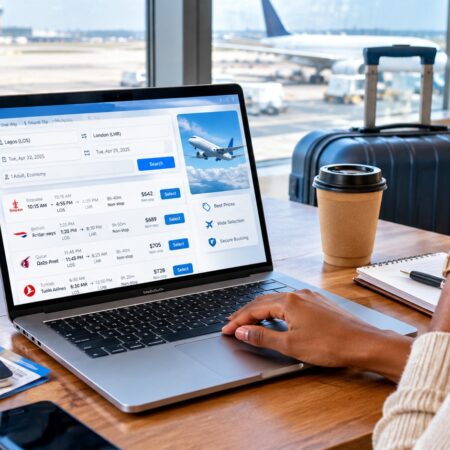
Fortunately, spotting a codeshare flight is not difficult once you know what to look for. Most booking platforms and airline websites clearly indicate when a flight is “operated by” a different carrier. This information usually appears near the flight number or within the fare details section. A simple guideline: if your itinerary states something like “Operated by [Airline Name],” you are booking a codeshare flight.
It is always advisable to read this section carefully, particularly for international trips involving connecting flights, since your connection times, terminal locations, and baggage transfer arrangements may depend on which airline is actually operating each leg of your journey.
Should You Avoid Codeshare Flights?
Not necessarily. Codeshare flights are not inherently disadvantageous. In many cases, they provide travellers with more flexible schedules, smoother multi-country itineraries, and access to airlines that would otherwise be difficult to book directly. The key is not avoidance, but awareness. A well-informed traveller who understands the operating airline’s policies will rarely be caught off guard.
For travellers booking through a travel agency or professional booking service, this is where expert guidance becomes particularly valuable. A knowledgeable booking agent can clarify which airline is operating each segment of your journey, confirm baggage rules in advance, and ensure your connections are realistically timed based on the operating carrier’s schedule, not just the one displayed on your ticket.
Conclusion
Codeshare flights are a normal, well-established part of the global airline industry, and there is nothing inherently risky about booking one. However, informed travellers consistently have smoother experiences than those who assume every detail of their journey will match the airline printed on their ticket. Before your next trip, take a moment to check whether your flight is a codeshare, review the operating airline’s policies, and plan your connections accordingly. A few minutes of preparation can be the difference between a seamless journey and an avoidable inconvenience at the airport.
Fill this FORM to book your flight today.
FORM

Other Articles

Why Some Countries Require Proof of Accommodation and Others Don’t
Why Booking Through an Agency Can Beat Booking Direct




No Comment! Be the first one.