


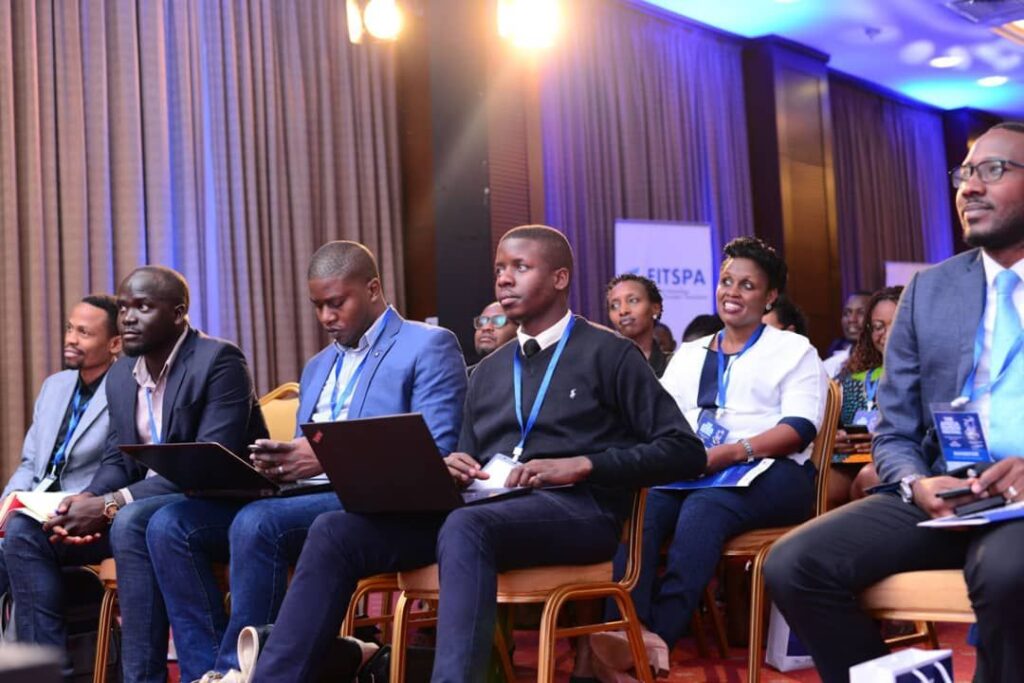
International conferences offer Nigerian professionals, entrepreneurs, academics, and students the chance to expand their knowledge, build networks, and explore new opportunities. Whether it is a medical summit in the United States, a business forum in Dubai, a technology conference in Europe, or an academic gathering in the UK, these events open doors to global exposure. However, one of the most crucial steps before boarding your flight is securing the right visa.
For many Nigerians, the visa process can feel overwhelming, particularly with strict requirements, lengthy documentation, and tight deadlines. The good news is that with proper preparation and understanding, you can navigate the process successfully. This guide explores practical visa tips for Nigerians planning to attend international conferences, helping you reduce stress and increase your chances of approval.
Understand the Right Visa Type for Conferences
Most international conferences require a short-term visa, often classified as a business or visitor visa, depending on the country. For example, the United States issues the B1 visa for business visitors attending meetings or conferences. European countries under the Schengen agreement typically issue a short-stay Schengen visa, while the UK has a standard visitor visa suitable for conferences.
Before applying, confirm the specific visa category required for your destination. Choosing the wrong visa type is a common mistake that leads to delays or outright rejection.
Start the Application Process Early
Timing is critical when applying for a conference visa. Most embassies recommend applying at least six to eight weeks before your planned travel date. Some destinations, especially Schengen countries, allow applications up to six months in advance.
Submitting your application early ensures you have enough time to gather documents, schedule biometric appointments, and address unexpected issues. Waiting until the last minute increases the risk of missing the conference entirely due to visa delays.
Gather and Organize Your Documents
Documentation is one of the most important parts of a visa application. Typical requirements include:
- A valid international passport with enough blank pages and at least six months’ validity.
- Completed visa application form.
- Passport-sized photographs meeting embassy specifications.
- An official conference invitation letter, which demonstrates the purpose of your trip.
- Proof of conference registration and payment receipts, if applicable.
- Evidence of accommodation such as hotel reservations or a host letter.
- Travel itinerary, including flight bookings.
- Proof of financial means, such as bank statements or sponsorship letters, showing you can cover your expenses.
- Employment or academic letters confirming your position and reason for travel.
Organizing these documents neatly not only speeds up the process but also leaves a good impression on visa officers.
Demonstrate Strong Ties to Nigeria
Visa officers want to be confident that you will return to Nigeria after the conference. To prove this, you must show strong ties to home. This can include employment letters, proof of business ownership, property documents, family responsibilities, or enrollment in an academic institution.
Applicants who fail to demonstrate strong ties are often denied visas because of suspected “overstay risk.” Clearly present your reasons for returning, backed up with official documentation.
Seek Professional Guidance if Needed
If the process feels confusing or if you are applying for the first time, it may be helpful to seek professional visa support. Agents, travel consultants, or legal advisors familiar with conference visas can guide you through the requirements and ensure your documents meet embassy standards. This reduces errors that could lead to rejection.
Plan for Accommodation and Travel in Advance
When applying for a visa, embassies typically require proof of where you will stay. Booking a hotel close to the conference venue shows preparedness and strengthens your application. Some conferences also partner with specific hotels and offer discounted rates, so confirm such options before booking.
Flight bookings are also crucial. While some embassies accept provisional flight reservations, ensure your itinerary matches your conference schedule to avoid complications.
Be Prepared for the Interview
Some embassies require an interview as part of the visa process. During the interview, remain confident and answer questions honestly. Expect questions like:
- What is the purpose of your trip?
- Who is funding your travel?
- Where will you stay during the conference?
- What will you do after the conference ends?
Provide clear, consistent answers that match your submitted documents. Confidence and preparedness can leave a positive impression.
Financial Preparation Matters
Visa officers want assurance that you can fund your trip. This means your bank statements should reflect stable and sufficient funds. If your trip is being sponsored by an employer, conference organizer, or government body, ensure their sponsorship letter is official and clearly explains what costs they are covering.
Attending international conferences is a golden opportunity for Nigerians to expand their networks, showcase their expertise, and gain global exposure. However, securing the right visa is the first and most important step to making that dream a reality. By choosing the correct visa type, applying early, preparing your documents, proving strong ties to Nigeria, and planning your accommodation and flights in advance, you significantly increase your chances of approval.
Remember, the goal is to present yourself as a genuine conference attendee who is fully prepared, financially capable, and committed to returning home after the event. With careful planning, the visa process does not have to be a barrier to your international success.
Fill this FORM to book your hotel today.

Other Articles

Cheapest Airlines Flying Nigerians to the Middle East
How to Manage Homesickness While Studying Abroad


No Comment! Be the first one.