


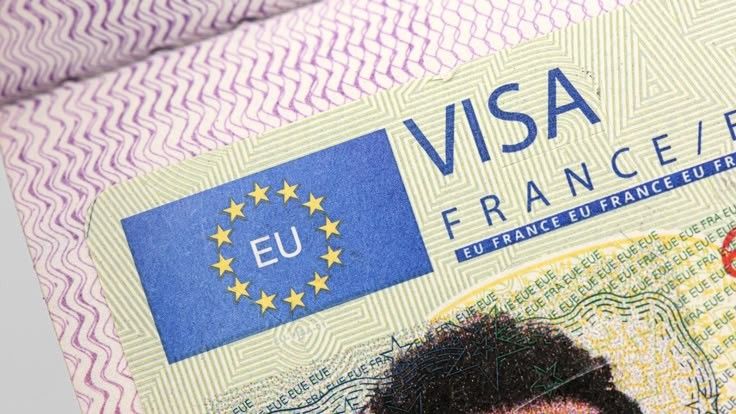
Applying for a visa is one of the most important steps for anyone planning to study, work, or travel abroad. While many applicants focus on preparing documents, attending interviews, or proving financial capability, one critical aspect that often creates confusion is the visa fee. For Nigerian students and travelers, visa fees can vary widely depending on the destination country, type of visa, and mode of payment. Failure to pay these fees correctly or on time can lead to delays, rejection, or even loss of money.
Understanding visa fees and the proper payment process is not just about saving money; it is about ensuring your application moves forward smoothly. With global travel becoming more competitive and visa regulations constantly evolving, being well-informed about fees is one of the smartest ways to avoid unnecessary stress in your journey abroad.
What Are Visa Fees?
Visa fees are official charges set by embassies, consulates, or immigration authorities to process your visa application. These fees are usually non-refundable, which means even if your visa is denied, you cannot get your money back. They cover the administrative costs of reviewing your application, conducting security checks, and issuing your visa.
The amount varies depending on several factors:
- Type of visa: A tourist visa is often cheaper than a student or work visa.
- Duration of stay: Short-term visas generally cost less than long-term ones.
- Country of destination: Each country sets its own fees. For example, the cost of a Schengen visa differs from that of a UK, US, or Canadian visa.
- Additional services: Some visa applications require biometric data collection, courier services, or premium processing, which may come with extra charges.
Why It Is Important to Pay Visa Fees Correctly
Paying visa fees may seem straightforward, but mistakes are common. Applicants sometimes pay into the wrong account, use unapproved methods, or fail to provide proper proof of payment. These errors can result in delayed applications, rejected submissions, or the need to pay a second time.
Correct payment ensures that:
- Your application is officially accepted for processing.
- The embassy or consulate can track your payment without issues.
- You avoid unnecessary financial losses.
- Your visa process moves smoothly without avoidable delays.
Common Ways Visa Fees Are Paid
Different countries have different payment methods, and it is important to know which applies to your chosen destination. Some common payment methods include:
Online Payments
Many embassies now allow applicants to pay visa fees directly online using credit or debit cards. For example, the US student visa (F-1) requires applicants to pay the SEVIS fee online before scheduling an interview. Always use the official embassy or consulate website to avoid fraudulent platforms.
Bank Deposits
Some countries require applicants to pay fees at designated banks. You will be given an account number or reference code to use when making the payment. Ensure that the name on your payment slip matches the name on your application documents.
Cash Payments at Visa Application Centers
In certain cases, applicants may pay visa fees directly at authorized visa application centers. For instance, many Schengen visa applications submitted in Nigeria are processed through centers like VFS Global, where payments can be made onsite.
International Transfers
Some long-term visa applications may require payment through international transfers, especially for tuition-related or residency-linked visa categories. These must be done carefully, with all transaction references documented.
Tips for Paying Visa Fees Safely and Correctly
- Always confirm the official fee on the embassy or consulate website before paying. Avoid relying on outdated information from third parties.
- Follow the exact payment instructions provided. Even a small mistake in account numbers or payment references can invalidate your application.
- Keep all receipts and confirmation emails. These are proof that you paid and will be required when submitting your documents.
- Beware of fraudsters. Only use authorized banks, visa application centers, or official government websites. Fraudulent agents may collect money and disappear.
- Pay early. Waiting until the last minute can create delays if the payment takes time to reflect.
- Check currency requirements. Some embassies require payments in US dollars, euros, or pounds. Make sure to pay in the correct currency to avoid rejection.
Quick Guide to Visa Fees and Payment Methods for Top Study Abroad Destinations
United Kingdom
- Common Visas: Student Visa (Tier 4), Visitor Visa
- Typical Fees:
- Student Visa: about £490
- Standard Visitor Visa: about £115
- Payment Method: Paid online via the UK Home Office website using debit/credit cards. Immigration Health Surcharge (IHS) is also paid online.
United States
- Common Visas: F-1 Student Visa, B1/B2 Tourist or Business Visa
- Typical Fees:
- F-1 Student Visa: about US$185
- SEVIS Fee: US$350 (paid separately online)
- B1/B2 Visa: about US$185
- Payment Method: Application fees are paid via GTBank or online through the US visa portal. SEVIS fees are paid directly on the SEVIS website with an international card.
Canada
- Common Visas: Study Permit, Visitor Visa
- Typical Fees:
- Study Permit: CAD 150
- Visitor Visa: CAD 100
- Biometrics: CAD 85
- Payment Method: Paid online through the official IRCC website with international debit or credit cards. Receipt must be uploaded with the application.
Schengen Countries (France, Germany, Spain, Italy, etc.)
- Common Visas: Short-Stay Visa (Tourism, Study, Business)
- Typical Fees:
- Adults: €80
- Children 6–12: €40
- Children under 6: free
- Payment Method: Usually paid at visa centers such as VFS Global by cash or card. Some countries allow online payment.
Australia
- Common Visa: Student Visa (Subclass 500)
- Typical Fee: AUD 710
- Payment Method: Online through the official Australian immigration portal.
United Arab Emirates (Dubai)
- Common Visa: Tourist Visa
- Typical Fee: US$100–150 (varies)
- Payment Method: Through UAE immigration portals or designated agents. Student and work visas are often arranged through schools or employers.
Turkey
- Common Visa: E-Visa
- Typical Fee: US$50–70
- Payment Method: Paid online directly at the official Turkish e-visa website with an international debit/credit card.
What Happens If You Pay Incorrectly
If you pay into the wrong account or use an unrecognized method, your application will likely not be processed until the correct payment is made. Unfortunately, most visa fees are non-refundable, so mistakes often mean losing money. In cases of overpayment or payment errors, embassies rarely issue refunds. This is why it is crucial to double-check all instructions before proceeding.
The Bigger Picture: Visa Fees as Part of Study Abroad Costs
For Nigerian students planning to study abroad, visa fees are only one part of the expenses involved. Beyond tuition and living costs, students must also budget for health insurance, biometric fees, and sometimes courier charges. Understanding these fees early on helps in proper financial planning, reducing stress, and ensuring that the dream of studying abroad is not disrupted by financial surprises.
Visa fees may seem like a small part of your study abroad or travel journey, but they carry huge importance in the overall process. Paying them correctly and on time ensures your application is not delayed, rejected, or financially draining. For Nigerian students and travelers, being informed about how different embassies handle payments, keeping receipts, and following official guidelines is the best way to stay ahead.
By treating visa fees as part of your overall travel plan, you can avoid unnecessary errors and focus on preparing for the opportunities that await you abroad. Remember, every step in the visa process counts, and the correct payment of fees is one of the keys to a successful application.
Fill this FORM to start your study abroad journey.

Other Articles

Luxury Weekend Getaways in Africa That Don’t Break the Bank
The Importance of Networking with Alumni While Studying Abroad





No Comment! Be the first one.