



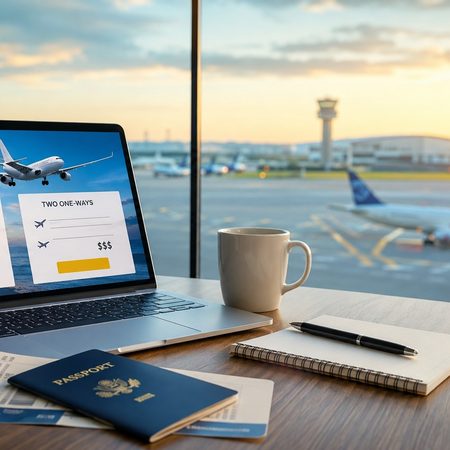
Booking a one way ticket often appeals to travelers seeking flexibility and independence. It represents the freedom to shape your journey as it unfolds and is especially attractive to first time international travelers exploring new opportunities abroad.
However, international travel decisions must go beyond personal preference. Airlines and immigration authorities assess compliance with visa conditions, documentation, and clearly defined travel plans. In many cases, a one way ticket can raise concerns during check in or at the port of entry. Understanding these considerations is essential to ensure a smooth and successful travel experience.
This article explores the truth about booking one-way tickets in a clear and professional way, without unnecessary fear. You will learn when one-way tickets are acceptable, when they are risky, how immigration officers and airlines view them, and what smarter alternatives exist. If you want flexibility without stress, this is for you.
What Does a One-Way Ticket Mean in International Travel?
A one-way ticket simply means you are traveling from one country to another without a pre-booked return flight. While this is straightforward in theory, international travel adds legal and procedural layers.
From the perspective of immigration authorities, a one-way ticket is not just a travel choice. It is a signal. It can suggest long-term stay, relocation, or in some cases, potential overstay. Whether that signal works in your favor or against you depends entirely on your visa type and travel purpose.
Why Many Young Travelers Choose One-Way Tickets
There are valid reasons one-way tickets are popular among young travelers. Common reasons include:
- Flexibility to change plans without paying high change fees
- Long-term travel with uncertain return dates
- Relocation for work, study, or family reasons
- Budget planning that prioritizes immediate costs
These reasons are understandable. However, what makes sense to a traveler does not automatically satisfy immigration requirements.
Is It Safe to Book a One-Way Ticket?
The honest answer
Yes, it can be safe. But only under the right conditions.
Safety in this context does not refer to the flight itself. It refers to whether booking a one-way ticket puts you at risk of being denied boarding, questioned excessively, or refused entry upon arrival.
A one-way ticket is considered safe only when it aligns with your visa and your declared purpose of travel.
How Immigration Authorities View One-Way Tickets
Immigration officers are trained to assess risk. Their primary responsibility is to ensure travelers comply with entry conditions and leave when required.
When an officer sees a one-way ticket, they may ask themselves:
- Does this traveler have permission to stay long-term?
- Is there a clear plan to exit the country?
- Is the traveler likely to overstay or work illegally?
If your documentation clearly answers these questions, a one-way ticket is rarely an issue. If it does not, the ticket becomes a problem.
Situations Where One-Way Tickets Are Generally Safe
Long-Term Visas
If you hold a visa that allows extended stay, such as:
- Student visa
- Work visa
- Residence permit
- Permanent residency
A one-way ticket is expected and normal.
Permanent or Semi-Permanent Relocation
Travelers relocating for employment, marriage, or family reunification often travel with one-way tickets. Immigration officers expect this.
Legal Proof of Ongoing Stay
If you already live abroad and are re-entering with valid residence documentation, a one-way ticket is rarely questioned.
Situations Where One-Way Tickets Are Risky
Tourist or Visitor Visas
Most tourist visas are issued with the expectation that the traveler will leave within a specific time frame. Without proof of departure, a one-way ticket raises concerns.
Visa-Free Entry
Visa-free travel still requires compliance with entry rules. Many travelers mistakenly assume that no visa means no conditions. In reality, proof of onward travel is often required.
Short-Term Visits
If your trip is for tourism, a conference, a short business meeting, or a visit to friends, a return ticket is the safest option.
Airline Policies You Must Understand
Airlines are responsible for transporting passengers who meet entry requirements. If a traveler is denied entry, the airline often bears the cost of returning them.
Because of this, airline staff may deny boarding if they believe:
- Your ticket does not meet entry rules
- You lack proof of onward travel
- Your visa does not support a one-way journey
This decision can happen before you ever reach immigration. It is not personal. It is risk management.
A Practical Example
Consider two travelers with the same destination and visa.
Traveler A
- One-way ticket
- Tourist visa
- No onward booking
- Vague travel plans
This traveler is likely to face questioning or denial.
Traveler B
- One-way ticket
- Tourist visa
- Onward flight reservation
- Accommodation details
- Proof of funds
The outcome is very different. Preparation, not the ticket itself, determines safety.
Smarter Alternatives to One-Way Tickets
Flexible Return Tickets
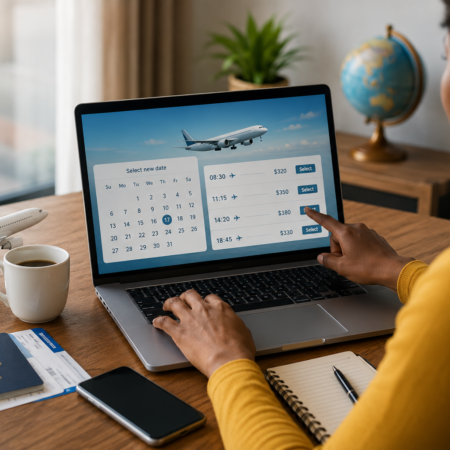
These allow you to change dates later while meeting entry requirements.
Onward Travel Reservations
An onward reservation shows intent to leave without requiring a full ticket purchase.
Short Return Booking
Booking a return within the allowed stay period gives flexibility to extend or rebook later.
These options reduce stress while preserving freedom.
Practical Steps Before Booking a One-Way Ticket
Step One. Confirm Visa Conditions
Always review official visa requirements. Pay attention to entry conditions, not just validity dates.
Step Two. Check Airline Policies
Different airlines interpret rules differently. Some are stricter than others.
Step Three. Prepare Supporting Documents
Carry:
- Proof of accommodation
- Proof of funds
- Onward or return booking
- Travel insurance
Step Four. Be Clear and Confident
Immigration officers value clarity. Know where you are staying, how long you plan to stay, and how you intend to leave.
Common Mistakes to Avoid
- Assuming flexibility excuses documentation
- Choosing one-way tickets solely to save money
- Giving unclear answers at immigration
- Arguing with airline staff
- Relying on unverified social media advice
Preparation prevents unnecessary problems.
Final Thoughts
One-way tickets are not inherently unsafe. They simply require careful planning and honest alignment with your visa type.
If your travel purpose supports it, a one-way ticket can be practical and appropriate. If not, it can turn an exciting trip into a stressful experience.
International travel rewards preparation, not guesswork.
Fill this FORM to book your flight today.

Other Articles



No Comment! Be the first one.