


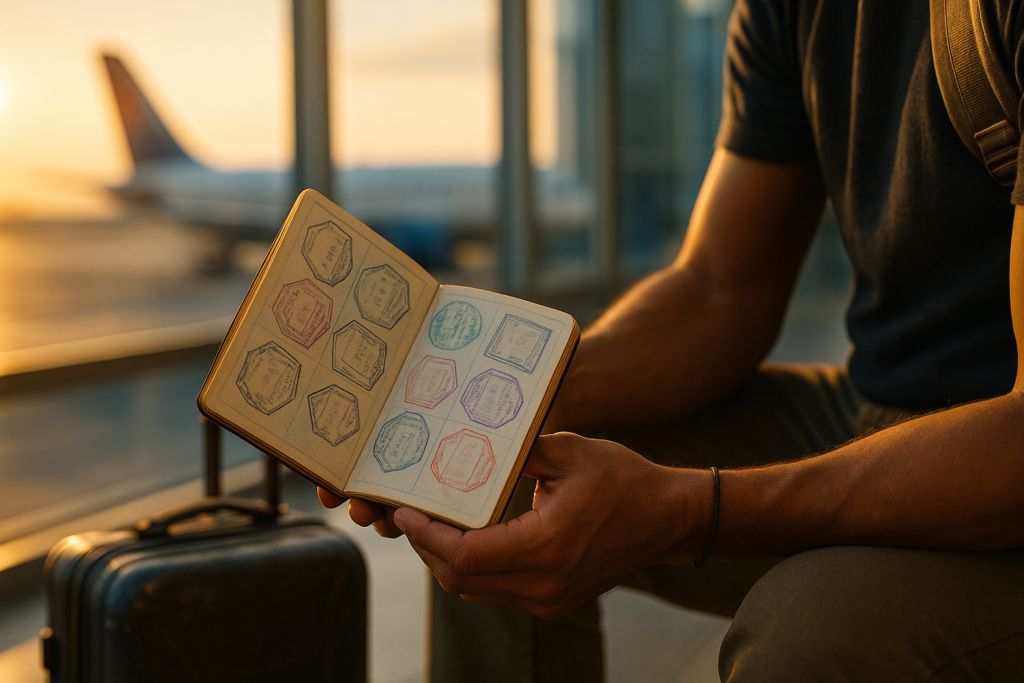
For many aspiring international students, tourists, and professionals, securing a visa is one of the most critical steps in achieving their dreams of traveling abroad. Yet, one factor that consulates and immigration officers pay close attention to during the visa approval process is your travel history. While it may seem like a minor detail compared to financial documents or admission letters, your travel history can significantly influence how visa officers assess your credibility, trustworthiness, and eligibility.
Understanding how travel history impacts visa approval is essential, especially for first-time travelers who may be anxious about applying. This article explores why consular officers consider travel history, how it can strengthen or weaken your application, and what steps you can take to improve your chances of approval.
Why Travel History Matters in Visa Applications
Travel history gives immigration officers a clear picture of your movement patterns across countries. It provides insight into how responsible you have been as a traveler, whether you respect immigration rules, and how likely you are to return to your home country after your visit. A positive and consistent travel record often indicates that an applicant is trustworthy and poses minimal risk of overstaying or violating visa conditions.
For example, someone who has previously traveled to neighboring countries, returned home on time, and complied with visa regulations will often be viewed more favorably than someone with no international travel record. On the other hand, inconsistent or problematic travel history, such as overstaying a visa in the past, can raise red flags and result in a refusal.
Benefits of a Strong Travel History
A strong travel history can serve as evidence of your credibility as a responsible traveler. Some of the key benefits include:
Increased Trustworthiness
Consular officers are more confident approving visas for applicants who have a proven record of traveling abroad and returning as scheduled.
Higher Chances with Stricter Countries
Countries like the USA, Canada, the UK, and Schengen nations often take previous travel records into account. Having a history of visiting other countries successfully can strengthen your application for these destinations.
Proof of Financial Stability
Traveling abroad usually requires money for flights, accommodation, and daily expenses. A consistent travel record may reflect financial capacity, which adds credibility to your application.
Smoother Interviews
Visa interviews can be stressful, but a strong travel history can serve as supporting evidence to reassure officers about your intentions and reliability.
Common Issues with Weak or Negative Travel History
Not all travel histories work in favor of the applicant. Some issues can actually weaken your chances:
No Travel History
First-time applicants often face extra scrutiny. Without past travel records, it becomes harder to convince officers that you will respect visa conditions.
Overstays or Violations
If you have previously overstayed your visa, violated local laws, or been deported, this will almost always affect future applications negatively.
Inconsistent Travel Records
Travel patterns that seem unusual or suspicious may raise concerns. For example, frequent short stays in multiple countries without clear purposes may make officers skeptical.
Applications Without Supporting Ties
Even with a clean record, if your history does not show strong ties to your home country, your application may still be considered risky.
How to Build a Strong Travel History
If you are just starting out with international travel, there are ways to gradually build a solid travel record that supports your visa applications:
Start Small with Neighboring Countries
Travel to nearby countries that have less stringent visa requirements. This not only gives you experience but also helps establish a record of compliance.
Apply for Easy-Entry Destinations
Countries that grant visas on arrival or e-visas are good places to start. These short trips can begin to shape your travel profile.
Avoid Overstaying at All Costs
Even one overstay can damage your record for years. Always respect the validity of your visa and return on time.
Keep Documentation Safe
Save copies of old visas, entry and exit stamps, and travel tickets. These can serve as proof of your travel compliance when needed.
Combine Travel with Purpose
Engage in short-term educational programs, workshops, or tourism activities that show your travel has value beyond leisure.
What to Do If You Have No Travel History
Many students and professionals worry that having no travel history automatically means rejection. While this is not always the case, you will need to strengthen other aspects of your application, such as financial proof, strong ties to your home country, and clear evidence of your travel purpose. Consular officers often consider the overall strength of your profile, so presenting a complete and convincing application can still lead to approval.
Your travel history plays an important role in determining the outcome of your visa application. It serves as a track record of your reliability and compliance with immigration rules. A strong history of travel not only boosts your credibility but also enhances your chances of securing visas for countries with stricter requirements. On the other hand, weak or negative travel history can pose challenges, though they can be overcome with careful preparation and stronger supporting documents.
If you are new to traveling, start building your history with smaller trips, always respect visa rules, and gradually strengthen your profile. By doing so, you will position yourself as a trustworthy traveler in the eyes of immigration officers, making your journey toward studying, working, or touring abroad much smoother.
Fill this FORM for your visa consultation today.

Other Articles

How to Use Loyalty Programs to Get Free Hotel Nights
Hidden Costs of Studying Abroad You Should Prepare For


No Comment! Be the first one.