



Traveling abroad often requires careful financial planning, especially when dealing with the cost of visa applications, processing fees, documentation, and travel bookings. Many travelers wrongly assume that flight booking has nothing to do with visa expenses, but the reality is that strategic flight choices can significantly reduce the total amount you spend throughout the visa process. By understanding embassy policies, preferred flight formats, refundability rules, and the timing of purchases, you can avoid unnecessary costs and strengthen your visa application at the same time.
This guide explains how to book flights that lower your overall visa-related expenses, help you avoid financial mistakes, and increase your chances of a smooth, stress-free approval process.
Visa applications can be expensive, especially when you consider the combined cost of visa fees, biometric charges, documentation, travel insurance, transportation to visa centers, and indirect costs like printing, notarization, and passport photos. For many travelers, flight bookings add even more stress because they do not know what embassies expect or how to choose the most cost-effective option.
Booking a flight wisely before your visa appointment can help you reduce expenses, protect your finances from loss, and sometimes increase your chances of approval. Many embassies prefer to see a flight reservation rather than a fully paid ticket, and understanding the difference between these two options can be the key to saving thousands of naira.
This well-detailed guide breaks down practical strategies Nigerian travelers and international applicants can use to book flights that reduce overall visa expenses while still meeting embassy requirements.
Why Flight Bookings Matter in Visa Applications
Flight documents play a vital role during the visa application process because they help embassies determine:
Your intended travel dates
Your duration of stay
Your financial readiness
Your travel planning ability
Your likelihood of returning home after your trip
However, embassies do not always require a fully paid flight ticket. In most cases, they only need a flight reservation, which is cheaper, flexible, and reduces your financial risk.
Understanding what the embassy wants helps you avoid unnecessary spending.
Use Flight Reservations Instead of Full Ticket Purchases
A flight reservation is a temporary hold placed on a flight itinerary without paying the full ticket cost. This document is accepted by many embassies, including:
Schengen embassies
UK visa processing (optional but sometimes helpful)
Canada and US (in specific cases)
UAE and some Asian visas
Flight reservations are significantly cheaper than buying a full ticket, and they prevent you from losing money if your visa is delayed or denied.
Benefits of using flight reservations include:
Lower upfront cost
Flexibility to change dates
No financial risk
Accepted by most embassies
Easy to cancel or modify
Use flight reservations whenever possible to avoid unnecessary expenses.
Book Refundable or Flexible Tickets When Necessary
In situations where an embassy requires a confirmed ticket or your travel date is very close, booking a refundable or flexible ticket is a smart option.
Refundable tickets allow you to:
Cancel with a refund if your visa is denied
Modify dates without losing money
Avoid paying penalties for changes
Although refundable tickets are more expensive upfront, they can save you significant amounts in the long run.
Flexible tickets are also ideal for business travelers, students with uncertain departure dates, and anyone applying close to their intended travel day.
Choose Tickets That Align with Visa Processing Timelines
Embassy processing times vary widely. Booking a flight too close to your appointment may lead to losses if your visa decision is delayed.
To reduce visa-related expenses:
Check official embassy processing times
Give an extra two to six weeks buffer after ticket reservation
Avoid peak seasons that may cause delays
Choose travel dates that give you enough time for re-submission if needed
Smart timing helps you avoid paying for new reservations or last-minute ticket changes.
Avoid Non-Refundable Tickets Before Visa Approval
Non-refundable tickets are tempting because they are cheaper, but they are risky before your visa is approved.
If the embassy delays your result or denies your visa, you may lose the entire ticket cost. Always avoid non-refundable bookings until you have a visa stamp in your passport.
Your safest options before approval are:
Flight reservations
Refundable tickets
Flexible fare options
These options protect your finances and reduce unnecessary expenses.
Compare Prices Across Multiple Airlines and Booking Platforms
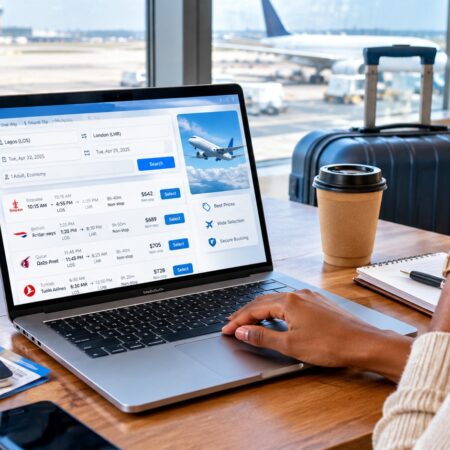
Booking flights using price comparison tools helps you find cheaper itineraries without compromising quality. Use trusted websites to compare:
Economy fares
Multi-city flights
Different airlines
Different travel dates
Some airlines also offer student discounts, youth fares, or special promotional deals that can reduce your flight costs significantly.
Comparing prices ensures you stay within budget and avoid overspending before securing your visa.
Use Hold Options to Delay Payment
Several airlines allow you to place a temporary hold on a flight for 24 to 72 hours for a small fee. This gives you time to complete your visa process or gather necessary documents without fully paying for the ticket.
Hold options reduce your risk and give you time to finalize travel plans.
Consider Booking Flights Through Travel Agencies
Travel agencies often provide cheaper and more flexible flight reservation options than booking directly online. They can generate visa-friendly itineraries approved by embassies, including:
Temporary reservations
Dummy tickets
Verified airline itineraries
Flexible fare options
Working with a trusted agent is especially helpful for travelers applying to strict immigration countries such as Canada, Germany, and the United States.
Use Multi-City or Indirect Routes to Save Money
Sometimes, booking a direct flight is more expensive and may not be necessary for visa purposes. Multi-city or indirect routes may offer lower fares and can still be accepted by embassies as valid itineraries.
For example, flying through Dubai, Addis Ababa, Nairobi, or Istanbul might reduce the overall cost of your flight ticket.
Avoid Last-Minute Bookings
Last-minute tickets are almost always more expensive. If you book early, especially before your visa decision, you can secure cheaper fares or affordable reservations.
Booking early also reduces the need to change travel dates later, which helps you avoid re-booking fees.
Booking a flight strategically is one of the most effective ways to reduce your overall visa expenses. Whether you are applying for a student visa, tourist visa, work visa, or business travel permit, the right flight choice can save you money, protect you from financial loss, and improve the strength of your application.
Using flight reservations instead of prepaid tickets, choosing refundable options when necessary, comparing prices, timing your bookings correctly, and avoiding risky non-refundable fares are all smart steps that keep your budget low and your visa process stress-free. By following these strategies, you not only reduce costs but also enhance your planning, organization, and confidence during your visa application.
Fill this FORM to book your flight today.

Other Articles

How to Use Visa Consultants Effectively for Faster Approvals


No Comment! Be the first one.