


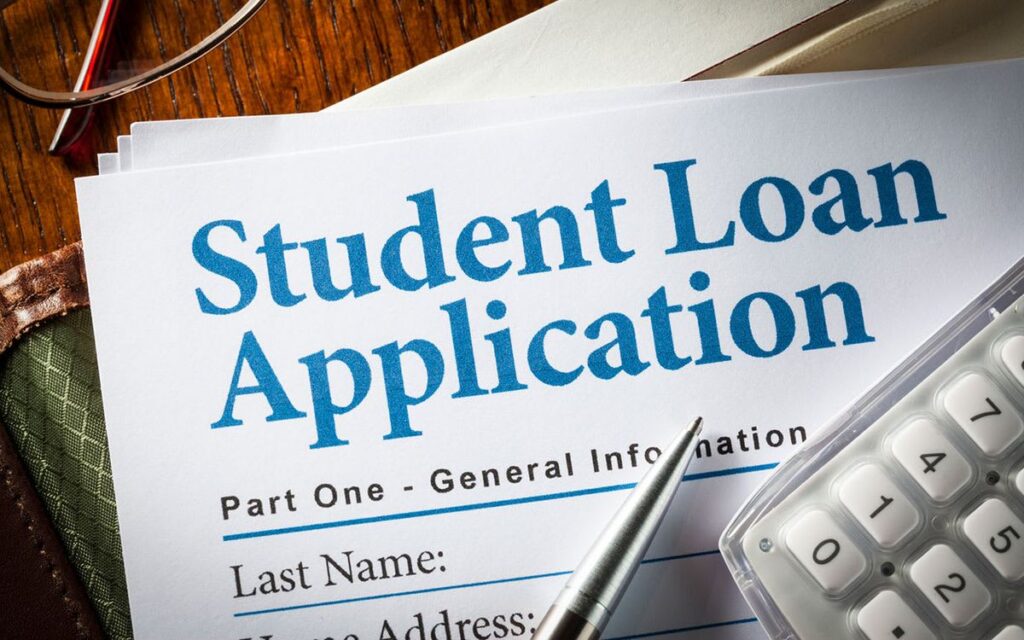
Studying abroad is one of the most rewarding investments a student can make, but the financial commitment required can be overwhelming for many Nigerian students and families. Tuition fees, accommodation, health insurance, travel costs, visa fees, feeding, and daily living expenses can add up quickly. Fortunately, student loans have become a practical and realistic pathway for Nigerians who want to pursue international education but lack the upfront funds.
Student loans for studying abroad are becoming increasingly popular because they allow students to begin their academic journey without financial strain, while repaying gradually after graduation. Whether you want to study in Canada, the United Kingdom, Germany, Australia, the United States, or any other top study destination, there are now several loan providers offering educational financing to international students.
This article provides a clear, detailed, and step-by-step guide on how to apply for a student loan to study abroad, the key documents required, how to improve your chances of approval, and common mistakes to avoid. If you have been confused about how education loans work, this guide will give you the clarity and confidence to take the next step.
Understanding Student Loans for International Studies
A student loan for studying abroad is a specialized financial product designed to cover the educational expenses of students who wish to pursue academic programs outside their home country. These loans typically cover tuition fees, living expenses, travel costs, books, and sometimes even insurance fees.
There are two main categories:
International student loans without a cosigner
These loans are available from organizations that partner directly with universities. They assess your future earning potential instead of requiring a guarantor.
Student loans with a cosigner
These require a sponsor, usually abroad, who has a strong credit score and stable income. This option reduces interest rates and increases loan approval chances.
Popular Student Loan Providers for Nigerian Students
Although Nigeria does not have a fully established government-supported international study loan scheme, several global institutions offer financing to eligible Nigerian students.
These include:
Prospa
Mpower Financing
Prodigy Finance
Future Finance
International banks that partner with foreign universities
Private lenders through university scholarship or financial aid offices
Always check whether your chosen university or course is eligible before starting your application.
Step-by-Step Guide to Applying for a Student Loan to Study Abroad
Step 1: Secure Your Admission First
Most lenders only consider applications from students who already have an offer letter from a recognized foreign university. Some accept conditional offers, but a full offer increases your approval chances.
Step 2: Verify if Your Program and School Are Eligible
Visit the lender’s website to check if your chosen institution is listed. Some lenders only support postgraduate programs or STEM-related fields.
Step 3: Calculate Your Total Study Cost
You need to know exactly how much funding you need. Include tuition, accommodation, transportation, visa fees, health coverage, and personal expenses. Request a breakdown from your school if necessary.
Step 4: Prepare Your Documents
Most lenders require the following:
International passport
Admission letter
Financial statements or proof of funds
Academic transcripts
CV or academic profile
Study plan or essay (sometimes required)
Proof of identity and contact information
If you’re using a cosigner, they will also need:
Credit score documentation
Proof of income
Tax returns
Bank statements
Step 5: Complete the Online Application
Student loan applications are mostly online. You will fill in your personal details, academic background, program details, and financial needs. Provide accurate information to avoid delays.
Step 6: Pass the Credit and Risk Assessment
Loan providers assess your future earning potential, field of study, institution reputation, and financial behavior. For applicants with cosigners, the cosigner carries the credit risk.
Step 7: Receive Conditional Approval
If approved, you will receive a letter stating the loan amount, interest rate, repayment terms, and disbursement schedule. Ensure you read and fully understand the terms before accepting.
Step 8: Submit Any Additional Requirements
Some lenders may request further documentation such as visa approval, enrollment confirmation, or identity verification.
Step 9: Loan Disbursement
Depending on the lender, funds are either sent directly to your school or transferred into your account for housing and living expenses. Disbursement usually follows after visa approval.
Tips to Improve Your Student Loan Approval Chances
Apply early
Loan processes can take weeks or months. Applying early ensures you meet school and visa timelines.
Choose courses with high post-graduation employability
Lenders favor fields like engineering, tech, healthcare, business, and finance.
Maintain a strong academic profile
Good grades and relevant work experience help lenders see your potential.
Prepare a clear and honest study plan
Some lenders request a Statement of Purpose to understand your goals and repayment capacity.
Get a credible cosigner if required
A financially stable cosigner significantly increases approval chances and reduces interest rates.
Common Mistakes to Avoid
Applying without checking school eligibility
Underestimating total study costs
Submitting incorrect or incomplete documents
Ignoring interest rates and repayment terms
Applying too close to your start date
Not comparing multiple lenders
Understanding these mistakes helps you avoid delays and increases your odds of securing financing.
Advantages of Student Loans for Nigerian Students
They make international education accessible
They allow repayment after securing employment
They reduce pressure on family finances
They offer flexible repayment terms
Some lenders provide grace periods after graduation
They help build credit history for future opportunities abroad
Student loans are not just financial tools, but strategic opportunities that allow students to follow their dreams without being limited by finances.
Applying for a student loan to study abroad may seem complicated at first, but with the right information and preparation, the process becomes straightforward and achievable. Student loans open doors to world-class education, global opportunities, and long-term career growth for Nigerian students who may not have the financial means upfront.
Whether you’re planning to study in Canada, the UK, Germany, Australia, or the United States, following the steps outlined in this guide will help you apply confidently and increase your chances of approval. Your dream of studying abroad is within reach, and with the right financial support, you can make it a reality.
Fill this FORM to start your study abroad journey.

Other Articles






No Comment! Be the first one.