


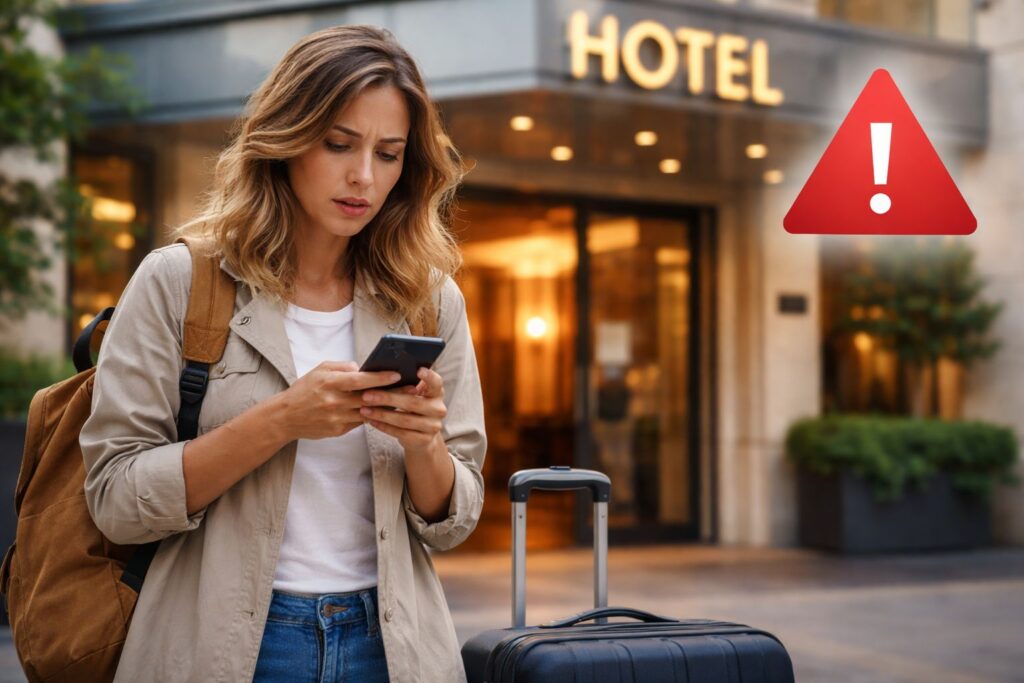
Booking a hotel for the first time can be thrilling: choosing the right location, imagining yourself in a luxurious room, and planning how your stay will enhance your trip. But behind the glossy photos and polished websites, some hotels hide warning signs that first-time travelers often overlook. These “red flags” can turn what should be a relaxing experience into a stressful ordeal. From hidden fees to poor hygiene, and misleading online reviews to unresponsive staff, recognizing these warning signs before you commit can save you time, money, and frustration.
Whether traveling for leisure, business, or a family vacation, knowing what to watch for ensures your hotel experience supports your trip rather than ruins it.
1. Misleading Online Reviews
One of the first traps travelers fall into is relying solely on online reviews. While platforms like TripAdvisor, Google, and Booking.com are useful, some hotels manipulate reviews to appear more attractive. Fake positive reviews can make a hotel seem flawless, while negative experiences may be downplayed or removed. First-time travelers should cross-reference reviews across multiple platforms and pay attention to recurring complaints. Look for detailed reviews rather than generic praise like “great stay” or “excellent service,” and notice if many reviews were posted within a short timeframe, which can indicate manipulation.
2. Inconsistent or Hidden Pricing
A low nightly rate can be enticing, but it may not reflect the full cost of your stay. Some hotels advertise discounted prices while hiding extra charges for Wi-Fi, cleaning, taxes, or amenities like pools and gyms. Others may add unexpected fees for early check-in or late checkout. Always read the fine print and confirm the total price before booking. Use the hotel’s official website or call directly to verify fees. Avoid making reservations solely based on price; sometimes a slightly higher rate guarantees transparency and quality.
3. Unresponsive or Unprofessional Communication
How a hotel responds before your arrival can predict how they’ll handle issues during your stay. Ignored emails, slow responses, or vague answers are warning signs of unprofessional management. Before booking, send inquiries about room availability, cancellation policies, or amenities. Prompt, clear, and courteous responses suggest a hotel values its guests and prioritizes service. If you notice poor communication, it’s a strong signal to consider other options.
4. Questionable Hygiene and Cleanliness
Cleanliness is non-negotiable for a comfortable stay. Even if a hotel looks appealing online, first-time travelers often ignore signs of poor hygiene: stained linens, unpleasant odors in rooms, or dirty bathrooms. When possible, review photos submitted by recent guests or check hotel inspection ratings. Pay attention to comments about pests, mold, or general cleanliness. Avoid hotels where cleanliness is mentioned as an issue more than once; these problems rarely resolve quickly.
5. Poor Location or Accessibility
A hotel’s location can greatly affect your trip experience. While online maps show proximity to attractions, they may not reveal unsafe neighborhoods, noisy streets, or poor transportation links. Consider whether the area is well-lit, easy to navigate, and close to restaurants, medical facilities, and public transport. First-time travelers sometimes prioritize price over location, but a poorly located hotel can add unexpected stress, especially if traveling at night or with children.
6. Overstated Amenities
Hotels often advertise pools, spas, gyms, or complimentary breakfast. First-time travelers may take these claims at face value without verifying. Photos can be outdated or misleading, and some amenities may have restrictions or additional costs. Before booking, check if the advertised amenities are included in your rate, and read recent guest reviews for confirmation. Understanding what you’re actually paying for prevents disappointment and unnecessary extra expenses.
7. Lack of Security Measures
Personal safety is a top priority. Hotels without secure entry, surveillance cameras, safes, or well-trained staff pose unnecessary risks. Check whether the property has adequate security measures and if rooms have functioning locks, peepholes, and emergency exits. First-time travelers often overlook security in favor of aesthetics or low prices, but compromising on safety can have serious consequences.
8. Unclear Cancellation or Refund Policies
Travel plans can change unexpectedly. Hotels with strict, vague, or hidden cancellation policies can trap you financially. First-time travelers may book without fully understanding the terms, only to discover they cannot recover their deposit if plans change. Always confirm the cancellation window, whether refunds are partial or full, and what circumstances allow for exceptions. Documentation of these policies either via email or the hotel website is crucial for avoiding disputes.
9. Overcrowded or Overbooked Facilities
Some hotels accept more bookings than they can handle, leading to cramped rooms, long waits for elevators, or unavailable amenities. This issue is often ignored by first-time travelers who assume photos online reflect the real environment. Research guest reviews for mentions of overcrowding or limited access to popular facilities. If complaints are consistent, it’s a sign that the hotel prioritizes occupancy over comfort.
10. Poor Staff Training and Customer Service
Even a beautiful hotel can feel disappointing if the staff is untrained, rude, or indifferent. First-time travelers may hesitate to address problems, only to face frustration later. Notice staff responsiveness during your initial interactions, check for professionalism, and read reviews about service quality. Hotels with well-trained, attentive staff often provide a more enjoyable and seamless experience.
11. Signs of Recent Renovation or Construction
Renovations can enhance a hotel, but ongoing construction may disrupt your stay with noise, dust, and limited access to facilities. First-time travelers often assume renovations are complete without verifying. Ask the hotel about ongoing or planned construction projects, and request a room away from affected areas if necessary. Being proactive ensures your comfort isn’t compromised.
12. Overreliance on Photos Over Reality
Hotels often present their best images online, but photos can be misleading. First-time travelers may rely on visuals instead of facts. Look for verified guest photos, virtual tours, and recent videos. A hotel may have renovated one section while leaving others outdated. Seeing real, unfiltered content from multiple sources helps set realistic expectations.
13. Ignoring Red Flags in Payment Methods
Trustworthy hotels offer secure payment options. Avoid properties insisting on cash-only transactions, wire transfers, or unverified online platforms. First-time travelers often overlook the risk of fraud or identity theft. Use reputable booking platforms or direct hotel payment systems with SSL security to protect your financial information.
14. Overcrowded or Mismanaged Booking Platforms
Booking through third-party sites is convenient but sometimes risky. Some platforms display availability that doesn’t exist or fail to communicate changes. Cross-check your reservation directly with the hotel to ensure your booking is confirmed. First-time travelers may assume confirmation emails are sufficient, but proactive verification reduces the risk of unpleasant surprises.
15. Gut Feeling Should Not Be Ignored
Finally, intuition matters. First-time travelers may dismiss small doubts about a hotel, chalking it up to nerves or excitement. If something feels off like, unprofessional website, evasive answers, or inconsistent information, it often signals deeper issues. Trusting your instincts can prevent uncomfortable stays.
Conclusion
Choosing a hotel goes beyond price and aesthetics; it requires careful attention to details that indicate quality, safety, and reliability. First-time travelers often overlook subtle red flags: misleading reviews, hidden fees, poor hygiene, or unprofessional staff that can significantly affect their experience. By staying vigilant, cross-checking information, and asking questions before booking, travelers can avoid pitfalls and ensure their stay enhances rather than hinders their trip. A successful journey starts with a safe, comfortable, and trustworthy hotel, and recognizing these red flags is the first step toward stress-free travel.
Fill this FORM to book your hotel today.

Other Articles

Airbnb Safety Tips Every Nigerian Traveler Should Know
What First-Time Travelers Should Know Before Visiting Immigration




No Comment! Be the first one.