


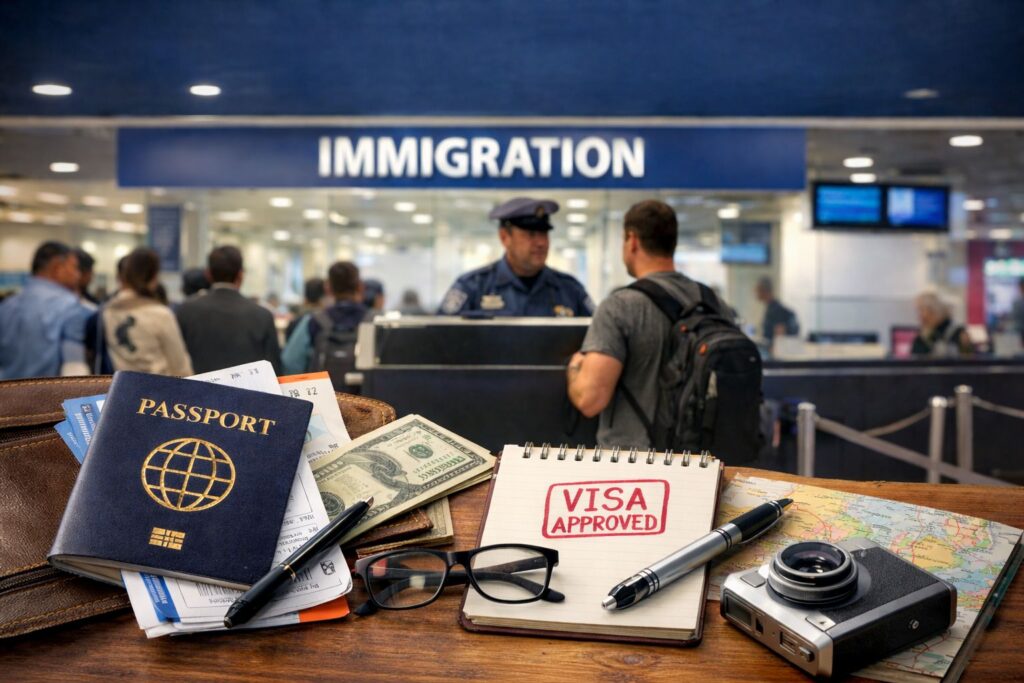
For many first-time travelers, the word immigration alone can cause unnecessary anxiety. Questions begin to pile up. What will they ask me? What if I say the wrong thing? What documents should I carry? Will they deny me entry? The truth is, immigration interviews are not designed to trap you. They exist to confirm that you are entering a country legally, honestly, and for the purpose stated in your visa application. However, lack of preparation is the fastest way to turn a smooth process into a stressful experience.
This article breaks down everything first-time travelers need to know before facing immigration. From preparation to conduct, common mistakes to avoid, and how to present yourself confidently, this guide will help you approach immigration with clarity, calm, and confidence.
Understanding the Role of Immigration Officers
Immigration officers are government officials responsible for controlling who enters and exits a country. Their job is to verify that you meet the entry requirements and that your intentions align with the visa you hold.
They are not there to intimidate you or deny entry without reason. However, they are trained to spot inconsistencies, false information, and risky travel patterns. Your goal is to make their job easy by being honest, organized, and clear.
Before You Travel: Proper Preparation Is Everything
1. Understand Your Visa Type
Before approaching immigration, you must clearly understand the visa you are traveling with. Ask yourself:
- What is the purpose of this visa?
- How long am I allowed to stay?
- What activities are permitted or prohibited?
For example, a tourist visa does not allow you to work. A student visa requires you to attend school. A business visa does not permit full employment. Confusion here can cost you entry.
2. Know Your Travel Story
Immigration officers often ask simple questions such as:
- Why are you visiting?
- Where will you stay?
- How long will you remain?
- Who is sponsoring your trip?
Your answers must match the information on your visa application and supporting documents. Any contradiction, even accidental, raises red flags.
3. Organize Your Documents Properly
Carry all important documents in your hand luggage, not checked baggage. These include:
- International passport
- Visa approval or visa page
- Flight ticket
- Hotel reservation or accommodation details
- Invitation letter, if applicable
- Proof of funds
- Travel insurance
- School admission letter or work documents, if relevant
Arrange them neatly. A messy document presentation gives an impression of poor preparation.
Appearance and First Impression Matter
Dress Decently and Appropriately
You do not need to overdress, but avoid looking careless. Clean, simple, and respectful clothing is ideal. Immigration officers form impressions quickly, and your appearance contributes to how seriously you are taken.
Avoid outfits that suggest illegal work intentions, such as uniforms or tools, unless your visa permits such activity.
Body Language Counts
Stand confidently. Avoid nervous movements. Do not chew gum, use your phone, or argue. Speak clearly and maintain polite eye contact.
Confidence does not mean arrogance. Be calm and respectful.
What to Expect at the Immigration Desk
The Interview Process
Most immigration interviews are brief, lasting only a few minutes. Officers may ask:
- What is the purpose of your visit?
- Where are you coming from?
- Where will you stay?
- How much money are you traveling with?
- When will you return?
Answer directly. Do not add unnecessary explanations unless asked.
Fingerprints and Biometrics
Some countries collect fingerprints and take photographs. This is standard procedure and not a sign of suspicion.
How to Answer Immigration Questions Correctly
Be Honest, Always
Never lie or exaggerate. Immigration systems are connected globally. A lie today can lead to long-term travel bans.
If you do not know an answer, say so politely. Guessing can cause inconsistencies.
Keep Answers Short and Relevant
Do not overshare. For example:
Officer: “Why are you visiting?”
Correct: “I am visiting for tourism and vacation.”
Incorrect: A long story about future plans, relatives, or unrelated issues.
Match Your Documents
Your answers must align with your documents. If your hotel booking says five nights, do not say three weeks.
Common Mistakes First-Time Travelers Must Avoid
1. Carrying Fake or Incomplete Documents
Submitting fake hotel bookings, false bank statements, or forged invitation letters is extremely risky. Immigration officers are trained to detect fraud.
Once flagged, future visa applications become difficult.
2. Poor Knowledge of Travel Details
Not knowing your hotel address, school name, or return date signals unpreparedness. Officers may suspect you are hiding something.
3. Appearing Desperate or Uncertain
Statements like “I will see how things go” or “I may stay longer if I like it” can lead to denial. Immigration wants clarity and assurance that you will respect visa conditions.
4. Carrying Prohibited Items
Different countries have strict rules about food, medications, and cash limits. Research these before traveling. Declaring items incorrectly can cause delays or penalties.
Financial Proof and What It Means
Immigration officers want to ensure you can support yourself during your stay.
Carry:
- Bank statements
- Cash within legal limits
- Credit or debit cards
Do not travel with empty accounts, hoping to explain later. Financial readiness shows responsibility and reduces suspicion of illegal work intentions.
Understanding Entry Approval vs Visa Approval
Many first-time travelers believe having a visa guarantees entry. This is not entirely true.
A visa allows you to travel to the country. Immigration decides whether you can enter. This is why preparation is critical.
If an officer believes your intentions do not match your visa, they can refuse entry even with a valid visa.
Handling Secondary Screening
Sometimes, travelers are taken aside for further questioning. This does not automatically mean rejection.
Remain calm. Answer questions honestly. Do not panic or argue. Secondary screening is often used to clarify details.
Emotional Control at Immigration
Fear and nervousness are normal, especially for first-time travelers. However, extreme anxiety can cause mistakes.
Breathe calmly. Remember, if your documents are genuine and your intentions are clear, there is little to worry about.
Immigration officers deal with thousands of travelers daily. You are not the first, and you will not be the last.
Final Practical Checklist Before Travel
Before leaving home, confirm that you have:
- A valid passport with sufficient validity
- Correct visa for your purpose
- Printed and digital copies of documents
- Clear understanding of your travel plan
- Knowledge of your accommodation and return date
- Adequate funds
- Confidence and honesty
Conclusion
Immigration is not an obstacle, it is a checkpoint. For first-time travelers, the experience can feel intimidating, but preparation transforms fear into confidence. When you understand your visa, organize your documents, answer questions honestly, and present yourself professionally, immigration becomes a simple formality rather than a frightening hurdle.
Travel is meant to be exciting, not stressful. The key is respect for rules, clarity of purpose, and honesty. Get these right, and your journey begins on the right note, with your passport stamped and your confidence intact.
Fill this FORM to get visa support today.

Other Articles

Hotel Red Flags First-Time Travelers Often Ignore
Why Some Students Get Admission Fast While Others Struggle

No Comment! Be the first one.