


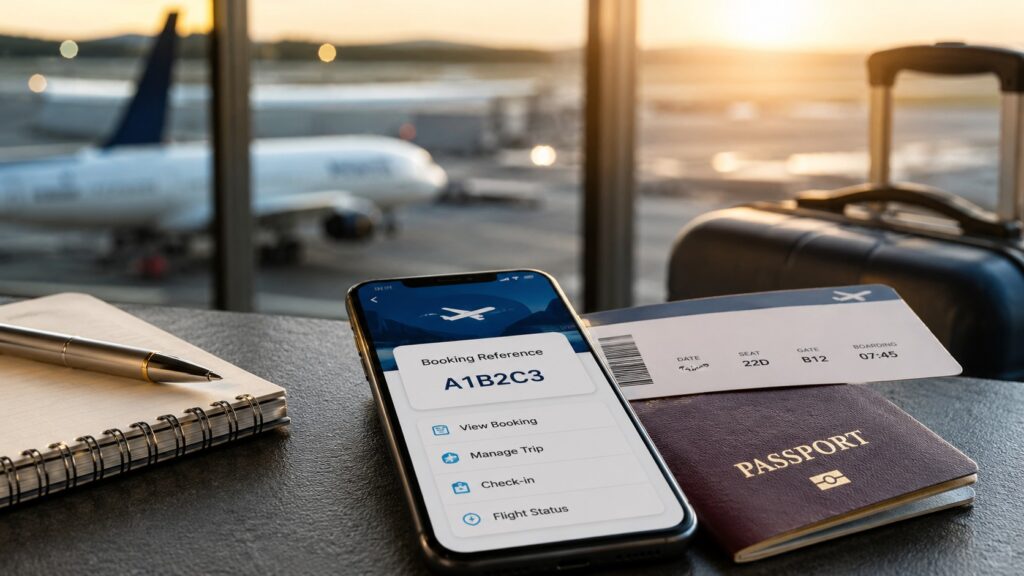
Booking a flight is an exciting step toward any journey, whether you are traveling for business, education, tourism, or to reunite with loved ones. Once the payment is complete, most travelers focus on their ticket, passport, or departure date, while overlooking one small but incredibly important detail: the flight booking reference. This seemingly random combination of letters and numbers can become your key to managing your entire trip. From checking your itinerary to resolving unexpected travel issues, your booking reference is far more valuable than many people realize. Understanding its importance can save you time, money, and unnecessary stress before and during your journey.
What Exactly Is a Booking Reference?
A flight booking reference, sometimes called a Passenger Name Record (PNR) locator, is a unique code typically six characters made up of letters and numbers generated by an airline or travel agency when a reservation is created. Unlike a ticket number, which is a longer numerical sequence tied specifically to the financial transaction, the booking reference acts as the master key to your entire reservation file. It links your name, itinerary, contact details, seat assignments, special requests, and payment status into a single retrievable record.
Every airline’s reservation system, and every global distribution system (GDS) such as Amadeus, Sabre, or Travelport, relies on this code to locate a passenger’s data instantly. Without it, staff must search manually using your name and travel date, a process that is slower, more error-prone, and occasionally unsuccessful if there are similarly named passengers or minor spelling discrepancies.
Why It Matters More Than Most Travelers Realize
1. It Is Your Fastest Path to Assistance
When flights are delayed, cancelled, or rescheduled, airline representatives are inundated with requests. Having your booking reference ready allows staff to pull up your details within seconds rather than minutes. In high-pressure situations, such as rebooking after a missed connection, this speed can determine whether you secure a seat on the next available flight or are placed on a lengthy waitlist.
2. It Protects You During Itinerary Changes
Airlines frequently adjust schedules due to operational needs, weather, or air traffic control restrictions. When this happens, the booking reference is used to notify passengers and process automatic rebooking. If your contact information is correctly linked to that code, you are far more likely to receive timely updates via email or SMS. Passengers who booked through third-party websites should be particularly attentive here, as the reference number is what synchronizes information between the travel agency and the airline itself.
3. It Simplifies Online Check-In and Self-Service Tools
Modern travel has shifted heavily toward self-service. Whether you are selecting a seat, adding checked baggage, or checking in online, most airline websites and mobile applications ask for your last name and booking reference before granting access. Without it, you may be forced to wait in longer airport queues or call customer service, both of which consume valuable time, especially during peak travel seasons.
4. It Is Essential for Refunds, Claims, and Complaints
Should your flight be cancelled, delayed beyond a certain threshold, or subject to compensation under passenger rights regulations, the booking reference becomes indispensable. Regulatory frameworks in many regions require airlines to process claims using this identifier. Attempting to file a complaint or request reimbursement without it can lead to significant delays, additional verification steps, or in some cases, rejected claims due to insufficient identification.
5. It Connects Ancillary Services to Your Trip
Many travelers purchase add-ons separately, extra luggage allowance, seat upgrades, travel insurance, or airport lounge access. These services are typically linked back to the original booking reference. If this code is lost or misplaced, reconciling these additional purchases with your main itinerary can become unexpectedly complicated, particularly if payments were made through different platforms or currencies.
Common Mistakes Travelers Make
Despite its importance, many travelers treat the booking reference as an afterthought. Common errors include:
- Deleting the confirmation email before the trip is complete
- Failing to note the reference when booking multi-leg or codeshare flights, where each airline may generate a different code
- Assuming the ticket number and booking reference are interchangeable, when in fact they serve different administrative functions
- Not sharing the reference with travel companions on a shared itinerary, causing confusion if the primary booker is unavailable
Best Practices for Managing Your Booking Reference
To avoid unnecessary stress, consider adopting a few simple habits:
- Save Confirmation Emails Permanently: Rather than deleting airline confirmation emails after check-in, archive them in a dedicated folder. This ensures easy retrieval even months later for expense reports or loyalty program disputes.
- Take a Screenshot: Before departure, capture a screenshot of your booking confirmation. This protects you in situations with limited internet access or email service disruptions.
- Write It Down Physically: For travelers less comfortable with technology, or those visiting regions with unreliable connectivity, jotting the reference on a physical itinerary sheet remains a reliable backup.
- Share With Travel Companions: If traveling as a group or family, ensure every adult member has access to the booking reference, particularly for last-minute changes or emergencies.
- Verify Immediately After Booking: Double-check that the reference number matches across your airline confirmation and any third-party booking platform you used. Discrepancies should be addressed with customer service right away, not at the airport.
A Small Code With Significant Power
Air travel today is a highly automated, interconnected system where a single alphanumeric code carries substantial administrative weight. It determines how quickly you are assisted, how efficiently your itinerary is updated, and how smoothly your claims and services are processed. While it may seem like an insignificant detail buried in a confirmation email, your flight booking reference is, in practice, one of the most valuable pieces of information you carry when traveling.
The next time you book a flight, take a moment to save that code somewhere secure and accessible. It costs nothing to prepare, yet it can save considerable time, money, and frustration when circumstances do not go as planned. In the world of modern air travel, preparation is not just a convenience, it is a necessity.
Fill this FORM to book your flight today.
FORM

Other Articles






No Comment! Be the first one.