


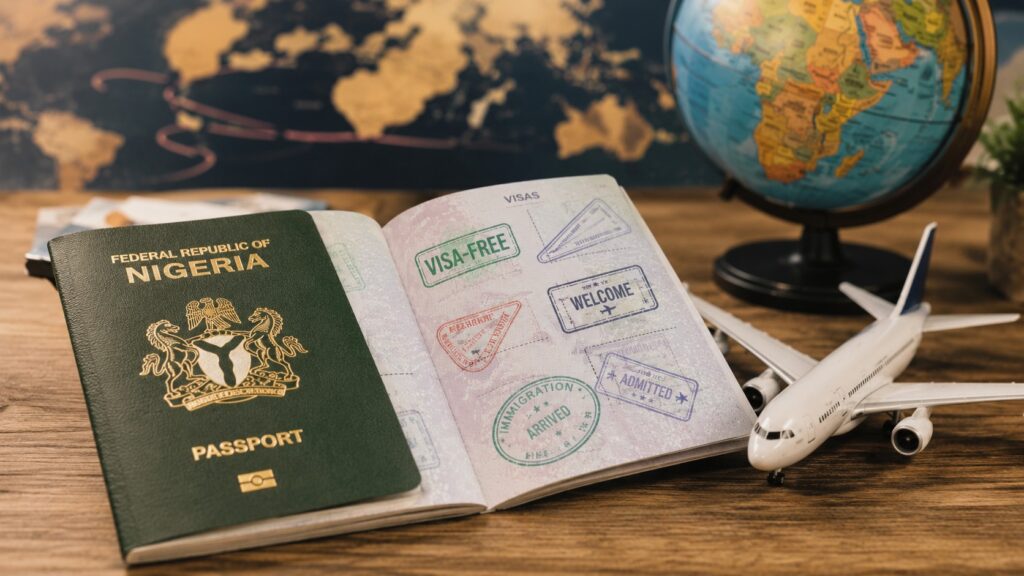
Traveling internationally has become easier than ever in many parts of the world, yet one question continues to puzzle many Nigerian travelers: why can Nigerians enter some countries without a visa while others require lengthy visa applications, interviews, and extensive documentation? The answer goes far beyond tourism. It involves diplomacy, international agreements, economic relationships, security concerns, immigration policies, and mutual trust between nations. Understanding why visa-free access exists and why it doesn’t in many cases can help travelers make smarter decisions, avoid misinformation, and better prepare for international travel.
In this guide, we explain the reasons behind visa-free travel for Nigerians and what determines whether a country opens or restricts its borders.
The Short Answer: It’s About Trust, Not Just Rules
At its core, a visa is a country’s way of managing risk. When a government decides whether to let a foreign passport holder in without prior screening, it is essentially asking: how likely is this person to overstay, work illegally, or pose a security concern and how much do we gain diplomatically or economically by saying yes anyway? Nigeria’s answer to that question looks different in Accra than it does in Amsterdam, and understanding why requires looking at several overlapping factors rather than a single explanation.
1. Regional Alliances Do the Heavy Lifting
The single biggest reason Nigerians enjoy visa-free travel anywhere is membership in the Economic Community of West African States (ECOWAS). Under the ECOWAS Free Movement Protocol, Nigerian citizens can enter, live, work, and even set up businesses across fellow member states without a visa. This is why countries like Ghana, Senegal, Côte d’Ivoire, Togo, Benin, Sierra Leone, Liberia, Guinea, Guinea-Bissau, Burkina Faso, and Mali all welcome Nigerians with little more than a valid passport. It’s not that these nations individually decided Nigerians are low-risk travellers, it’s that Nigeria and its neighbours signed a binding regional agreement decades ago that prioritises free movement of people, labour, and trade across West Africa. Regional blocs like this exist specifically to reduce the friction that normally comes with crossing international borders, and they remain the most powerful visa-free lever available to Nigerian travellers today.
2. Bilateral Relationships and Reciprocity
Beyond ECOWAS, individual countries sometimes extend visa-free or visa-on-arrival access as a direct outcome of bilateral diplomacy essentially, “we’ll treat your citizens well if you treat ours the same way.” Nations such as Barbados, Dominica, St. Kitts and Nevis, St. Vincent and the Grenadines, Trinidad and Tobago, and the Maldives fall into this bracket. These are typically smaller economies with tourism-driven growth strategies. For them, easing entry for travellers from large, populous nations like Nigeria is a calculated economic decision: more visitors, more spending, more airline traffic, with comparatively low security risk given the volume involved. Reciprocity matters too, countries that don’t impose visa restrictions on Nigerians are often extended the same courtesy in return, even if the relationship isn’t formalised through a large trading bloc.
3. Economic Incentives: Tourism, Trade, and Investment
Visa policy is, in many respects, an economic policy dressed up as an immigration rule. Countries actively competing for tourism revenue particularly small island nations and emerging destinations have strong incentives to lower entry barriers for travellers from populous countries. Nigeria, with over 200 million citizens and a growing middle class with disposable income for travel, represents a meaningful market. Destinations like Seychelles and Mauritius, both of which have opened their doors to Nigerians, rely heavily on tourism and understand that friction at the border directly translates to lost revenue. On the flip side, countries with less to gain economically from Nigerian tourism or those prioritising domestic labour markets have far less incentive to simplify entry.
4. Migration Concerns and Historical Patterns
This is the less comfortable part of the conversation, but an honest one. Wealthier nations in Europe, North America, and parts of the Gulf typically require Nigerians to obtain a traditional visa before travel, a process that can take weeks and demands extensive documentation. This is largely tied to concerns about irregular migration, visa overstays, and asylum claims, which immigration authorities in these countries weigh heavily when setting policy. It’s worth noting that these restrictions are rarely unique to Nigeria; many countries across the developing world, particularly those with young, growing populations and significant income disparities with the host country, face similarly strict requirements. It reflects a broader, global pattern in international mobility rather than a judgment on any single nation or its people.
5. Security and Diplomatic Standing
International relations also shape visa policy in more targeted ways. Countries assess a partner nation’s political stability, law enforcement cooperation, and passport security features (such as biometric data and anti-fraud measures) when deciding how much trust to extend. Nigeria has made steady improvements in passport security and international cooperation in recent years, and reciprocal agreements as well as active diplomatic engagement continue to expand the number of destinations open to Nigerian travellers. The Nigerian passport currently offers visa-free, visa-on-arrival, or eVisa access to a growing list of more than 40 destinations, a number that has been gradually climbing as new agreements are signed.
6. The Rise of eVisas: A Middle Ground
Many countries that aren’t ready to grant full visa-free access have found a middle path: the electronic visa. Destinations such as Kenya, Ethiopia, and Bahrain allow Nigerian travellers to apply online, upload documents, and receive approval within days, sometimes hours without ever visiting an embassy. This system lets host countries retain a layer of security screening while significantly reducing the friction and cost travellers used to face. It’s a pragmatic compromise, and it’s likely to become the dominant model for cross-border travel policy over the next decade, gradually replacing the older, slower embassy-visit system for a growing number of nations.
What This Means for the Everyday Traveller
If you’re a Nigerian passport holder planning your next trip, the takeaway is simple: your easiest destinations will almost always be within West Africa, followed by tourism-focused Caribbean and Indian Ocean nations, with eVisa destinations in Africa, Asia, and the Middle East offering a fast, affordable middle ground. Major Western destinations will likely continue requiring traditional visas for the foreseeable future, but that gap is narrowing as diplomatic ties strengthen and Nigeria’s passport ranking continues to climb.
Before booking any trip, always verify current requirements directly with the destination country’s embassy or official immigration website, as visa policies can and do change. But understanding the reasoning behind these rules rather than just memorising a list of green and red countries, makes for smarter, more strategic travel planning. It also puts the frustration of the visa process in context: it isn’t personal, it’s policy, and policy, unlike a passport photo, is always subject to change.
Fill this FORM to get visa support today.

Other Articles

What Happens If You Overstay a Visa by Just a Few Days





No Comment! Be the first one.