


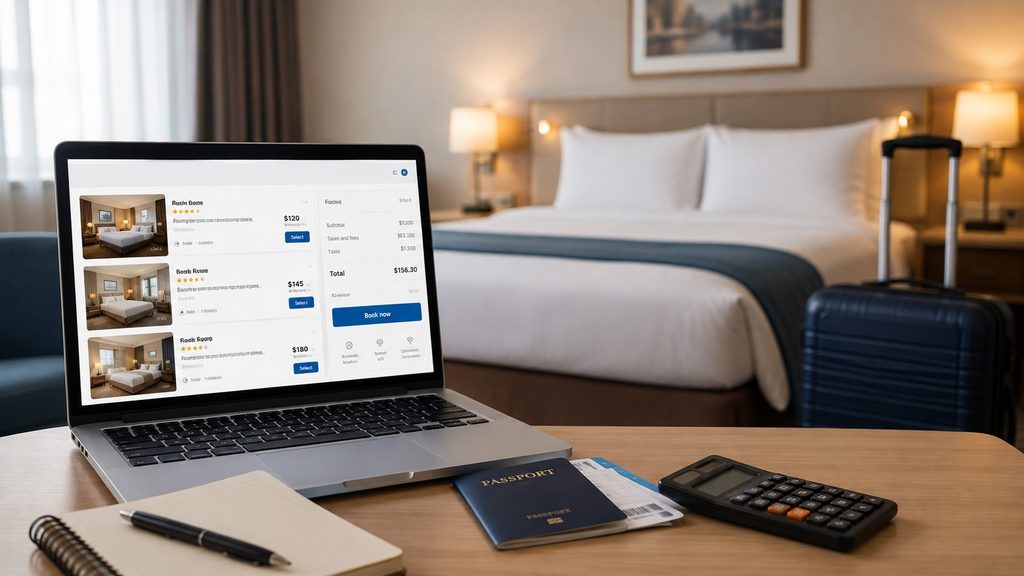
You find the perfect room at the perfect price, click through with excitement, and then, just before payment, the total quietly climbs. It feels like a bait-and-switch, and for many travelers, it is the single most frustrating part of booking a hotel online. Yet this price shift is rarely random or malicious. It is the product of a complex, fast-moving pricing system working behind the scenes. Understanding why this happens, and how to protect yourself from unpleasant surprises, can save you money and restore your confidence the next time you book.
Understanding Dynamic Pricing in the Hotel Industry
Hotels, much like airlines, use dynamic pricing models. Room rates are not fixed; they shift continuously based on demand, availability, competitor pricing, and even the time of day. A price displayed during your initial search reflects the system’s calculation at that exact moment. By the time you reach checkout, minutes or even seconds later, the underlying data may have already changed, particularly for popular dates or limited room categories.
This is not unique to any single platform. Booking engines, hotel websites, and third-party travel sites all rely on similar real-time pricing technology, which means the phenomenon can occur regardless of where you book.
Common Reasons Hotel Prices Change Between Search and Checkout
1. Limited Room Inventory Selling Out
Hotels often allocate only a limited number of rooms to a specific rate category, such as a discounted non-refundable rate. If other travelers are booking simultaneously, that cheaper allocation can sell out while you are still browsing, leaving only a higher-priced category available by the time you check out.
2. Currency Conversion Fluctuations
If you are booking in a currency different from the hotel’s local currency, exchange rates can shift slightly between the moment you view a price and the moment your payment is processed, particularly if there is any delay in completing the transaction.
3. Taxes and Fees Added Later in the Process
Some platforms display a base room rate during the search phase and only calculate applicable taxes, service charges, or resort fees once you proceed to checkout. While this is a display practice rather than a true price increase, it often feels the same to the traveler and can be misleading if not clearly disclosed upfront.
4. Session Timeouts
Hotel booking systems often hold a quoted price for a limited window, sometimes as short as ten to fifteen minutes. If your session is idle for too long while you compare other options or consult with travel companions, the original quote can expire, prompting the system to pull a new, potentially higher, live rate.
5. Real-Time Demand Surges
Sudden spikes in demand, such as a local event, conference, or holiday period, can cause automated pricing algorithms to adjust rates upward within a short span of time. This is especially common in cities with limited hotel capacity relative to visitor demand.
6. Promotional or Flash Rates With Strict Conditions
Some prices shown during search are limited-time promotional rates tied to specific conditions, such as being available only to app users, loyalty members, or early bookers. If those conditions are not met by checkout, the system may default to the standard rate.
7. Third-Party Aggregator Pricing Errors
Comparison and aggregator websites pull pricing data from multiple sources, and occasionally this data is not perfectly synchronized with the hotel’s live system. A displayed price may be outdated by the time the booking request reaches the hotel directly, resulting in a corrected, and usually higher, figure at checkout.
How to Protect Yourself From Price Changes
Book Quickly Once You Find a Good Rate
If you find a rate that meets your budget, especially for a popular destination or peak season, avoid prolonged hesitation. Complete the booking promptly rather than leaving multiple tabs open while comparing options extensively.
Read the Full Price Breakdown Before Confirming
Always review the full breakdown of taxes, service charges, and fees before entering payment details. Reputable platforms are required to disclose these clearly, and understanding the full cost structure in advance reduces the shock of last-minute additions.
Book Directly Through the Hotel When Possible
Booking directly with the hotel, either through its official website or by phone, often results in more transparent and stable pricing, along with greater flexibility if a discrepancy needs to be resolved. Hotels are also generally more willing to honor a quoted rate for direct bookings.
Take Screenshots of Quoted Prices
If a significant discrepancy appears at checkout, having a screenshot or saved confirmation of the originally quoted price can be useful when contacting customer support to request an explanation or resolution.
Use a Stable Internet Connection
Since dynamic pricing systems refresh in real time, a slow or interrupted connection can cause delays that allow the quoted price to expire before your transaction completes. A stable connection reduces this risk considerably.
Compare Prices Across a Few Trusted Platforms
Rather than relying on a single source, compare rates across two or three reputable platforms or the hotel’s own website. This not only helps you identify the most accurate current price but also protects you from relying on outdated aggregator data.
Consider Booking Through a Travel Agency
Working with an experienced travel agency can significantly reduce this uncertainty. Agencies often have direct relationships with hotels, access to negotiated rates, and the ability to confirm pricing accuracy before finalizing your booking, sparing you the guesswork of navigating dynamic pricing systems alone.
Conclusion
A price change between search and checkout can feel like an unfair surprise, but in most cases, it is simply the visible result of a highly automated, real-time pricing system reacting to demand, inventory, and timing. Understanding these mechanics allows travelers to book with more confidence, act decisively when a good rate appears, and recognize legitimate pricing practices from misleading ones.
For those who prefer a more seamless and transparent booking experience, partnering with a trusted travel agency can help eliminate uncertainty altogether, ensuring that the price you see truly reflects the price you pay.
Fill this FORM to book your hotel today.

Other Articles






No Comment! Be the first one.