



Business travelers are often surprised when they realize how much more they pay for flights compared to leisure travelers booking the same routes. From last minute fares to flexible ticket conditions, corporate travel costs are typically higher. Yet behind these higher prices lie strategies and priorities that regular travelers can learn from to book smarter, travel more efficiently, and sometimes even save money.
This in depth guide explores why business travelers pay more for flights and what everyday travelers can adopt from corporate travel habits to improve their own travel experiences.
Understanding the Nature of Business Travel
Business travel is driven by urgency, flexibility, and reliability. Unlike leisure trips that are planned weeks or months ahead, business trips are often booked with short notice due to meetings, conferences, or sudden work demands. Airlines and travel providers price tickets based on demand patterns, and last minute bookings usually attract higher fares.
In addition, business travelers prioritize schedules over savings. They often choose flights that align with meeting times rather than the cheapest options available. Early morning departures, non stop flights, and convenient arrival times come at a premium.
Flexibility Comes at a Cost
One of the biggest reasons business travelers pay more is ticket flexibility. Corporate travelers usually need tickets that allow date changes, cancellations, or rerouting without heavy penalties. Flexible fares are significantly more expensive than restrictive economy tickets commonly purchased by leisure travelers.
Airlines understand that businesses value adaptability. As a result, they price flexible tickets higher, knowing that companies are willing to pay for peace of mind and schedule control.
Last Minute Booking Patterns
Regular travelers often plan holidays far in advance to secure cheaper fares. Business travelers, however, frequently book flights days or even hours before departure. Airlines use dynamic pricing systems that increase prices as departure dates approach, especially on popular business routes.
This pricing strategy explains why two passengers on the same flight may pay drastically different prices depending on when and how they booked.
Preference for Direct and Time Efficient Routes
Business travelers value time more than cost. They tend to choose direct flights, shorter layovers, and premium departure times to reduce fatigue and maximize productivity. These time saving options are often more expensive than connecting flights with long layovers.
For airlines, these routes attract high paying customers, making them less likely to offer discounts.
Corporate Travel Policies and Premium Services
Many companies have travel policies that allow employees to book premium economy or business class for long haul trips. These cabins offer comfort, extra space, priority boarding, and lounge access, all of which increase ticket prices.
Even when flying economy, business travelers often pay extra for seat selection, baggage allowances, fast track security, and in flight connectivity. These add ons raise the overall cost of travel.
Loyalty Programs and Airline Status
Frequent business travelers often hold elite status with airlines. While this can lead to upgrades and perks, it also influences booking behavior. Status holders may stick to one airline even if cheaper alternatives exist, simply to maintain their loyalty benefits.
Airlines reward this behavior by offering exclusive services but rarely lower fares, as they know corporate travelers value consistency over cost.
What Regular Travelers Can Learn from Business Travelers
Although business travelers pay more, their approach offers valuable lessons for leisure travelers looking to improve their booking strategies.
Book Early Whenever Possible
One of the clearest lessons is the importance of early planning. Leisure travelers who book flights well in advance often benefit from lower fares and better seat availability. Monitoring prices early and booking when fares drop can lead to significant savings.
Understand Fare Rules Before Booking
Business travelers pay for flexibility because they need it. Regular travelers can save money by carefully choosing fare types that match their plans. If travel dates are fixed, non refundable or basic fares may be sufficient. If plans are uncertain, paying slightly more for flexible options can prevent costly changes later.
Value Time, Not Just Price
While budget travelers focus on the cheapest ticket, business travelers prioritize convenience. Regular travelers can benefit from balancing cost and comfort. Choosing a slightly more expensive direct flight may reduce travel stress, save time, and improve the overall experience.
Leverage Loyalty Programs Wisely
Joining airline loyalty programs is not just for business travelers. Regular travelers can earn points, access discounts, and enjoy perks like free seat selection or baggage allowances. Sticking to one or two airlines can lead to long term benefits, even for occasional flyers.
Be Strategic with Add Ons
Business travelers often include baggage, meals, and seat selection in their fares. Leisure travelers can avoid surprise costs by comparing total prices instead of base fares alone. Sometimes a slightly higher ticket that includes extras is better value than a cheap fare with multiple add ons.
Travel Smarter, Not Cheaper
The biggest lesson from business travelers is intentional travel planning. They choose flights that align with their needs, minimize disruptions, and maximize efficiency. Regular travelers who adopt this mindset often enjoy smoother journeys, even if they spend slightly more.
Use Expert Booking Support
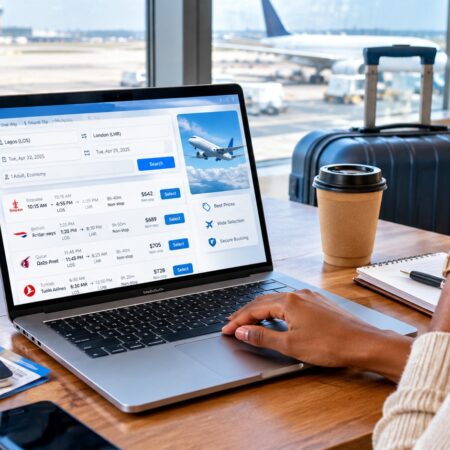
Many business travelers rely on professional travel consultants to manage itineraries and negotiate fares. Regular travelers can also benefit from expert advice, especially for international trips, multi city bookings, or peak travel seasons
Business travelers pay more because they prioritize flexibility, speed, and reliability over cost. While leisure travelers may not need premium services, the principles behind corporate travel decisions offer valuable insights.
By booking early, understanding fare rules, valuing time efficiency, using loyalty programs, and planning strategically, regular travelers can travel smarter and sometimes even save money in the long run. The key is not always finding the cheapest ticket, but choosing the best value for your travel needs.
If you want expert help to book flights that balance comfort, cost, and convenience, professional booking support can make a real difference.
Fill this FORM to book your flight today.

Other Articles



No Comment! Be the first one.