


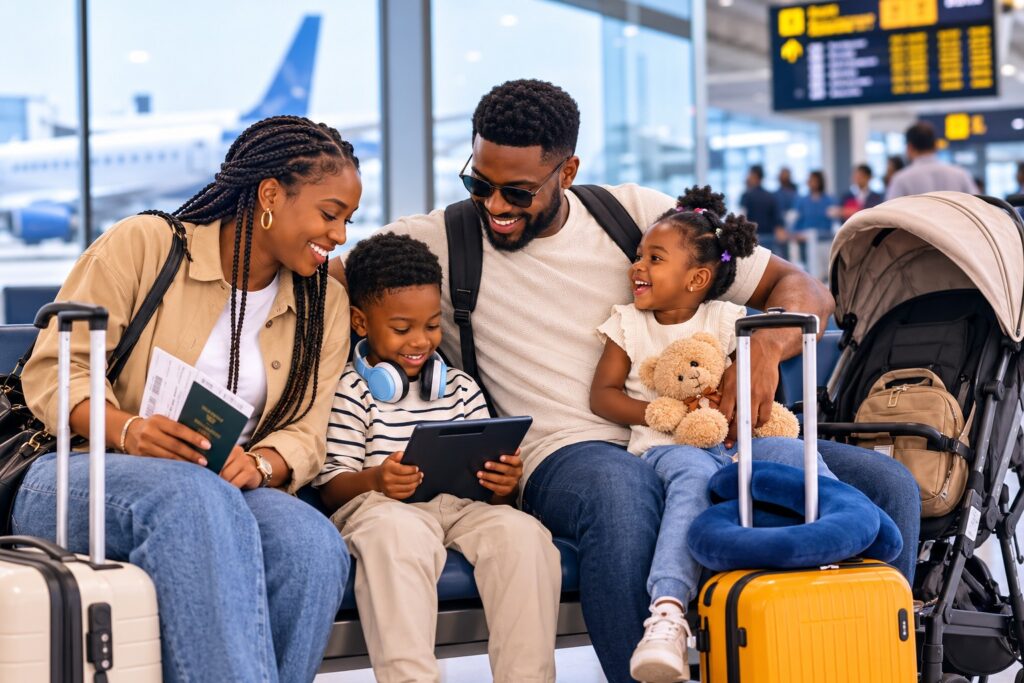
Traveling by air is an exciting experience, but the moment children become part of the journey, everything changes. A trip that once required little more than a passport and a boarding pass suddenly involves careful planning, extra luggage, flexible schedules, and plenty of patience. Whether you are flying with a newborn, a toddler, or older children, every stage of your journey requires a different approach. The good news is that flying with children does not have to be stressful. With proper preparation and realistic expectations, you can enjoy a smooth and memorable trip. Understanding what changes when you fly with children will help you make better travel decisions and avoid unnecessary surprises.
Booking Becomes a Strategic Decision
When traveling alone, booking a flight is often about price and convenience. With children, the calculus shifts entirely. Flight times matter more, direct routes become priorities over layovers, and seat selection is no longer optional. Parents typically find that early morning or late evening flights align better with a child’s sleep schedule, reducing meltdowns mid-air. Additionally, airlines often have specific policies regarding infant fares, child discounts, and family seating arrangements, all of which are worth researching before you commit to a booking. Choosing a reputable travel agency or booking platform that understands family travel needs can save significant time and prevent costly oversights.
Documentation Requirements Expand
One of the most overlooked changes when flying with children involves paperwork. Beyond your own travel documents, you will need your child’s birth certificate or passport, and in many cases, a letter of consent if only one parent is traveling with the child. Some countries require notarized permission letters from the non-travelling parent, particularly for international trips. Immigration authorities in various countries have tightened these requirements to prevent child trafficking and parental abduction, so it is essential to confirm specific documentation rules for your destination well in advance. Missing a single document can result in denied boarding, so thorough preparation is non-negotiable.
Packing Priorities Shift Completely
Adults traveling alone can pack minimally, but children require an entirely different approach. Diapers, formula, baby food, medications, comfort items, and a change of clothes should always be within reach in a carry-on bag, regardless of how short the flight may be. Delays happen, and being unprepared mid-air with a hungry or uncomfortable child can quickly escalate an already stressful situation. Entertainment also becomes essential; tablets, books, or quiet toys can be the difference between a peaceful flight and a difficult one. Packing smart, rather than packing light, becomes the guiding principle for parents.
Airport Navigation Takes Longer
Time management transforms significantly when children are involved. Security screening, for instance, often requires removing children from strollers, folding car seats, and separating liquids such as baby formula for inspection. Many airports now offer family-friendly lanes to expedite this process, but not all do, so building in extra time is critical. Bathroom breaks, snack stops, and simply the slower pace of walking with little ones all add to the time required to reach your gate. Arriving at the airport earlier than usual is not merely advisable; it is essential for a stress-free departure.
In-Flight Dynamics Change Entirely
Once airborne, the experience shifts again. Cabin pressure changes can cause ear discomfort in infants and toddlers, so many parents encourage feeding, sucking on a pacifier, or swallowing during takeoff and landing to ease the pressure. Meal times may need to be adjusted around a child’s usual eating schedule rather than the airline’s service timing. Additionally, most airlines allow families with infants to pre-board, offering a calmer opportunity to settle in before the general rush begins. Being aware of these small but significant adjustments can make the difference between a smooth flight and a chaotic one.
Seating Considerations Become Essential
Seating arrangements deserve particular attention when traveling with children. Bulkhead seats often provide additional legroom and, on many aircraft, the option to use a bassinet for infants. However, these seats may lack under-seat storage, which can be inconvenient. Aisle seats offer easier access for frequent bathroom trips, while window seats can keep curious toddlers entertained and contained. Confirming seat assignments in advance, rather than leaving them to chance at check-in, ensures your family sits together and comfortably throughout the journey.
Budget Expectations Adjust
Financially, flying with children introduces new considerations. While infants under two often fly free or at a reduced fare when seated on a parent’s lap, older children typically require a full seat at standard or discounted rates. Additional costs may arise from checked car seats, strollers, or extra baggage for children’s belongings. Though many airlines allow strollers and car seats to be checked at no extra charge, policies vary widely, making it important to confirm details directly with your airline before departure.
The Emotional Experience Transforms
Perhaps the most significant change is emotional rather than logistical. Flying with children requires patience, flexibility, and a willingness to let go of a perfectly planned itinerary. Delays, tantrums, or unexpected disruptions are simply part of the experience. Yet many parents find that traveling with children also brings unexpected joy: a toddler’s wonder at seeing clouds from above, or a child’s excitement upon landing in a new destination. These moments often make the extra effort entirely worthwhile.
Conclusion
Flying with children is undeniably more complex than solo travel, but it is far from impossible. With careful planning, the right documentation, strategic packing, and realistic expectations, families can navigate air travel smoothly and even enjoyably. Preparation is the single greatest tool available to parents, transforming what could be a stressful ordeal into a manageable, and sometimes memorable, family adventure. The sky, after all, is not just for solo travelers; with the right approach, it belongs to families too.
Fill this FORM to book your flight today.
FORM

Other Articles
Why Some Countries Require Biometrics and Others Don’t
How to Plan a Multi-Country Trip Without Visa Conflicts


No Comment! Be the first one.