


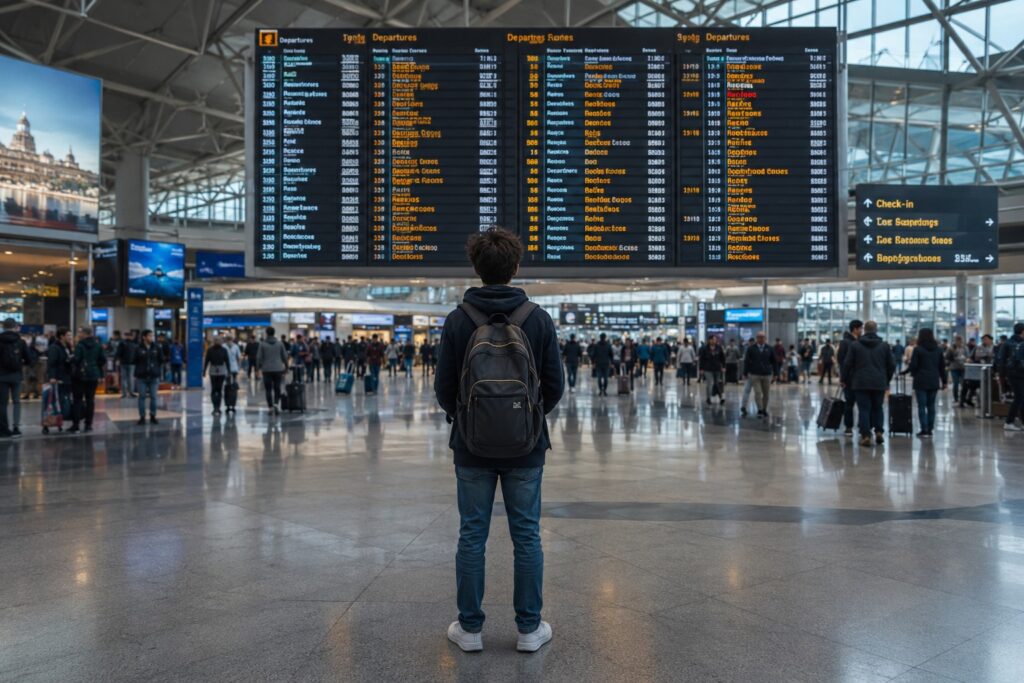
Every year, thousands of students pack their bags with dreams of studying in Paris, London, Tokyo, or Toronto, only to arrive and discover that the programme they paid for does not exist, the accommodation is a fraud, or their savings have vanished into thin air. Study abroad is one of the most life-changing decisions a young person can make. But it is also one of the most heavily exploited opportunities in the education industry. Scammers are sophisticated, patient, and alarmingly convincing.
Before you submit that application or wire that deposit, read every word of this article. It could save your education and your money.
1. Fake University Admissions Agents
One of the most widespread scams targeting prospective international students involves fraudulent admissions agents or consultants. These individuals pose as authorised representatives of reputable universities and offer guaranteed admission for a fee.
They often operate through polished websites, professional-looking offices, and even fake testimonials from supposed alumni. Once payment is made, they either disappear entirely or provide forged offer letters that fall apart the moment a student arrives at the institution.
How to protect yourself:
- Always verify agents through the official university website or its international admissions office.
- Be wary of any agent who guarantees admission regardless of your qualifications.
- Never pay large sums directly to a third party without written confirmation from the university itself.
- Contact the university’s admissions department directly using contact details found on their official domain not those provided by the agent.
2. Scholarship Scams
Scholarship fraud is a particularly cruel scam because it targets students who are already struggling financially. Fraudsters advertise lucrative scholarships sometimes worth tens of thousands of dollars and ask applicants to pay an “application fee,” “processing charge,” or “administrative cost” to access them.
Legitimate scholarships never require payment to apply. If a scholarship asks for money upfront, it is almost certainly a scam.
Warning signs to watch for:
- You are told you have won a scholarship you never applied for.
- The scholarship requires your bank details to “transfer funds.”
- There is pressure to act immediately or the offer will expire.
- The awarding organisation has no verifiable online presence or official affiliation with a known institution.
Always search for scholarships through your university’s financial aid office, government education portals, or trusted platforms such as Chevening, Fulbright, or DAAD.
3. Fraudulent Visa Assistance Services
Navigating student visa requirements can be overwhelming, and many students turn to immigration consultants for help. This is where scammers thrive.
Fraudulent visa agencies charge excessive fees, submit incorrect or falsified documents, and sometimes leave students with rejected visas and no refund. In more serious cases, they engage in document forgery, a criminal offence that can result in lifetime bans from certain countries.
What to do instead:
- Use only government-accredited immigration advisers or lawyers.
- In the United Kingdom, verify consultants through the Office of the Immigration Services Commissioner (OISC).
- In the United States, consult the Department of Homeland Security’s list of accredited representatives.
- Never hand over your original passport to any unofficial party.
4. Fake Housing Listings
Accommodation scams are rampant in popular student cities. Fraudsters post convincing listings on platforms like Facebook Marketplace, Craigslist, or even dedicated rental sites, often using stolen photos of real properties. They ask for a security deposit or first month’s rent before the student has viewed the property and then vanish.
Students arriving in an unfamiliar country, exhausted and overwhelmed, are particularly vulnerable to this scam.
Practical tips to avoid housing fraud:
- Never pay a deposit for accommodation you have not physically inspected or verified through a video call with the landlord.
- Use university-approved or university-affiliated housing platforms.
- Research the landlord’s name and cross-check the listed address on Google Maps.
- If a deal appears too good to be true, especially in expensive cities, trust your instincts.
5. Ghost Programmes and Diploma Mills
Some students, in a bid to obtain foreign qualifications quickly and affordably, enrol in institutions that are either entirely fictitious or deliberately set up to sell worthless degrees. These are commonly referred to as “diploma mills.”
Degrees from such institutions are not recognised by employers, professional bodies, or legitimate universities. Students who graduate from unaccredited institutions often find their qualifications rejected during job applications or postgraduate admissions processes.
Before enrolling in any institution abroad:
- Verify accreditation through the host country’s official higher education regulatory body.
- In the United States, check the Database of Accredited Postsecondary Institutions and Programs (DAPIP).
- In the United Kingdom, consult the Register of Learning Providers.
- Confirm that the institution’s degree will be recognised in your home country.
6. Travel and Programme Scams Disguised as Study Abroad
A growing number of fraudulent operators advertise “study abroad programmes” that are, in reality, glorified holidays with no academic substance. Students pay premium prices for what they believe to be credited coursework, only to discover upon return that their home institution does not recognise the credits or that no formal academic activity took place at all.
How to verify a study abroad programme:
- Confirm with your home institution that credits from the programme will be officially transferred.
- Request a detailed course syllabus, faculty credentials, and institutional partnerships in writing.
- Avoid programmes that cannot produce an accreditation certificate or formal academic transcript.
Final Thoughts: Vigilance Is Your Best Visa
Studying abroad remains one of the most powerful investments a student can make in their future. The exposure to new cultures, academic environments, and global networks is genuinely transformative. However, the excitement of this opportunity must be matched with equal measures of caution and due diligence.
Scammers are not always obvious. They are professional, persuasive, and well-practised. The best defence is thorough research, official verification at every stage, and a firm refusal to be rushed into any financial decision.
Share this article with every student you know who is considering studying abroad. It takes five minutes to read and it could prevent years of regret.
Fill this FORM to start your study abroad journey.
FORM







No Comment! Be the first one.