


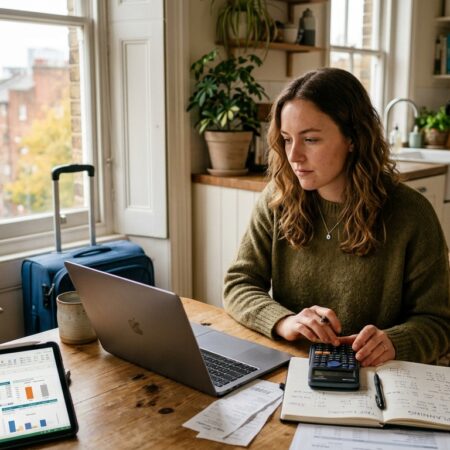
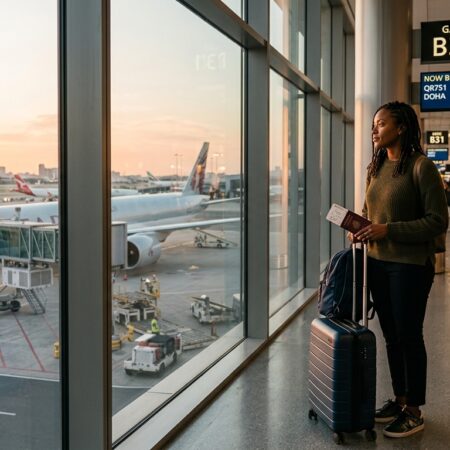
Traveling on a budget doesn’t mean sacrificing fun or memorable experiences. With a little planning and smart choices, you can explore new places without breaking the bank. Here are some top tips for saving money while traveling:
1. Plan in Advance
- Book Early: Flights, accommodations, and tours tend to be cheaper when booked months in advance. Take advantage of early-bird discounts and promotions.
- Flexible Travel Dates: Use tools like Google Flights or Skyscanner to search for the cheapest days or months to fly. Traveling during off-peak seasons can significantly reduce costs.
- Set Price Alerts: Use price comparison tools or apps to monitor flight and hotel rates. When prices drop, you’ll be notified and can book at the best time.
2. Use Budget Airlines
- Research Budget Airlines: Airlines like Ryanair, EasyJet, or Southwest offer cheaper flights within regions like Europe or the U.S. Just be mindful of extra fees for baggage or seat selection.
- Travel Light: Budget airlines charge for checked luggage, so aim to travel with carry-on luggage only. Pack versatile clothes and essentials to minimize weight.
3. Consider Alternative Accommodation
- Hostels and Budget Hotels: These options are much cheaper than luxury hotels, and many hostels now offer private rooms if you prefer more privacy.
- Vacation Rentals: Platforms like Airbnb or Vrbo offer affordable apartments, homes, or rooms for rent, often with kitchen facilities to save on meals.
- House Sitting or Couchsurfing: Stay for free by house-sitting or using services like Couchsurfing, where you can stay with locals who offer a free place to crash.
4. Use Public Transportation
- Avoid Taxis and Rideshares: Public buses, trains, or trams are much cheaper than taxis. In many cities, public transport is also fast, reliable, and easy to navigate.
- Buy Transport Passes: Many cities offer unlimited transport passes for a day, week, or longer. These passes often save you money compared to paying for individual rides.
5. Eat Like a Local
- Avoid Tourist Traps: Restaurants in popular tourist areas tend to be more expensive. Walk a few blocks away from tourist attractions to find more affordable, authentic meals.
- Street Food & Local Markets: Street food is usually budget-friendly and a great way to experience local cuisine. Visit local markets to buy fresh ingredients and snacks.
- Cook Your Own Meals: If your accommodation has a kitchen, buy groceries and cook meals instead of eating out every day. You can also prepare sandwiches or snacks for long travel days.
6. Look for Free or Discounted Attractions
- Free Attractions: Many cities have free museums, parks, and historical sites. Research the free attractions at your destination in advance.
- City Passes: Some cities offer passes that give you discounted or free entry to popular attractions, public transport, and tours. Examples include the Paris Pass or the New York City Pass.
- Free Walking Tours: Many cities offer free walking tours (with optional tips), which are a great way to explore and learn about the local culture.
7. Be Smart About Flights
- Fly Mid-Week: Flights are often cheaper on weekdays, particularly Tuesdays and Wednesdays, compared to weekends.
- Use Miles or Points: If you have credit card points or frequent flyer miles, redeem them to save on flights or accommodations. Travel reward programs can significantly reduce costs if used strategically.
- Choose Connecting Flights: While not always convenient, opting for connecting flights rather than direct ones can save you money.
8. Avoid Foreign Transaction Fees
- Use No-Fee Cards: Use credit cards that don’t charge foreign transaction fees when traveling abroad. This helps you avoid extra charges on every purchase.
- Withdraw Cash Wisely: If you need cash, withdraw larger amounts at once to avoid frequent ATM fees. Look for banks or ATMs that offer low or no withdrawal fees.
9. Stay in Cheaper Destinations
- Travel to Affordable Countries: Some countries are inherently more budget-friendly. Southeast Asia, Eastern Europe, and Central America are known for offering fantastic travel experiences at lower costs.
- Explore Off-the-Beaten-Path Areas: Major tourist hotspots can be expensive. Traveling to less popular destinations or smaller towns can offer a more authentic experience for a lower price.
10. Take Advantage of Free Wi-Fi
- Avoid Data Roaming Charges: Use free Wi-Fi in cafes, restaurants, and public spaces to avoid expensive data roaming charges. Consider downloading offline maps and guides beforehand.
- Travel Sim Cards or eSIMs: If you need data while traveling, purchasing a local SIM card or an eSIM can be much cheaper than paying international roaming fees.
11. Leverage Travel Discounts
- Student or Senior Discounts: If you’re a student or senior, look for discounts on flights, attractions, or public transportation. Carry an ID card or apply for a travel discount card (like ISIC for students).
- Group Discounts: Traveling in a group? Many tours, attractions, or transport services offer group discounts that help reduce individual costs.
12. Haggle in Markets
- Negotiate: In some countries, haggling is a common practice in markets or with street vendors. Don’t be shy about negotiating for a better price—just do so politely and with a smile.
13. Work or Volunteer While Traveling
- Work Exchange Programs: Sites like Workaway or WWOOF (World Wide Opportunities on Organic Farms) offer opportunities to work in exchange for free accommodation and meals.
- Teach English: If you’re traveling long-term, consider teaching English or working remotely as a way to support your travels financially.
14. Travel with a Reusable Water Bottle
- Save on Water: Buying bottled water can add up over time. Bring a reusable water bottle and refill it where possible (just ensure the local tap water is safe to drink).
15. Use Travel Insurance
- Avoid Unexpected Costs: Travel insurance can save you from major financial setbacks in case of trip cancellations, medical emergencies, or lost luggage. Look for budget-friendly plans that cover essential needs.
Traveling on a budget is entirely possible with careful planning, smart spending, and flexibility. By focusing on cost-saving strategies, taking advantage of deals, and being resourceful, you can have an amazing travel experience without overspending.

Next

October 4, 2024
Packing Essentials For Long-Haul Flights
Previous
October 2, 2024
How To Plan A Luxury Vacation In Europe



No Comment! Be the first one.