


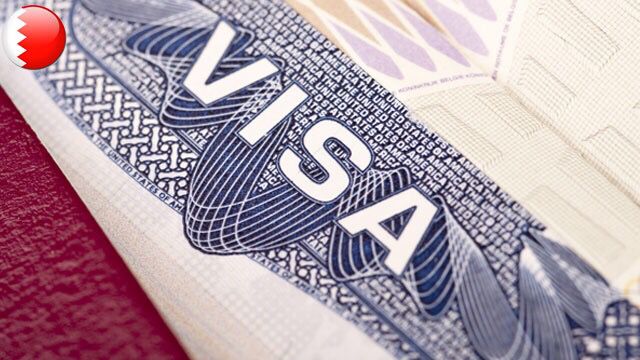
For frequent travelers, business professionals, or students who need to visit a country multiple times, a multiple-entry visa can be a game-changer. Unlike a single-entry visa, which allows you to enter a country only once, a multiple-entry visa lets you come and go within the validity period without reapplying each time. This convenience not only saves time and effort but also provides flexibility for travel planning, business opportunities, and family visits.
However, obtaining a multiple-entry visa is slightly more complex than a standard visa. This article provides a detailed guide for first-time applicants and experienced travelers alike, outlining the process, requirements, and strategies to increase your chances of approval.
What is a Multiple-Entry Visa?
A multiple-entry visa allows a traveler to enter a country more than once during the visa’s validity period, which can range from a few months to several years. Each entry may have a maximum duration of stay, depending on the country’s rules.
For example, a two-year multiple-entry visa may allow a traveler to stay for up to 90 days per visit, while a five-year visa could allow longer stays depending on the country. Multiple-entry visas are commonly issued for:
- Business travelers
- Frequent tourists
- Students with family commitments
- Diplomats and professionals requiring repeated travel
Benefits of a Multiple-Entry Visa
- Flexibility: You can travel in and out of the country without reapplying for a new visa each time.
- Cost Savings: Eliminates repeated visa fees and administrative costs.
- Time Efficiency: Reduces the time spent on visa applications and embassy visits.
- Convenience for Business or Family: Ideal for professionals attending conferences, meetings, or managing international business operations, as well as for students or expatriates who need to visit family abroad.
How to Apply for a Multiple-Entry Visa
1. Check Eligibility
Not all travelers qualify for a multiple-entry visa. Eligibility depends on your travel history, financial stability, and purpose of travel. Generally, frequent travelers with a record of complying with visa regulations have a higher chance of approval.
2. Choose the Right Visa Type
Some countries issue multiple-entry visas for tourism, business, or family visits. Ensure you select the correct category that matches your travel purpose, as applying under the wrong category may result in rejection.
3. Gather Required Documents
Typical documents for a multiple-entry visa include:
- Valid passport with sufficient validity beyond the intended travel period
- Completed visa application form
- Passport-sized photographs meeting embassy standards
- Proof of financial capability, such as bank statements or salary slips
- Travel itinerary or flight bookings showing multiple entries
- Accommodation bookings for each visit or a general plan
- Business invitation letters, conference confirmations, or sponsorship letters if applicable
Make sure all documents are accurate and consistent, as discrepancies can lead to denial.
4. Demonstrate Strong Ties to Your Home Country
Visa officers often want reassurance that you will return home between visits. Demonstrating strong ties can increase your chances of approval. Examples include:
- Permanent employment or business ownership
- Family obligations or dependents
- Property ownership or leases
- Enrollment in educational programs
5. Submit the Application Early
Processing times for multiple-entry visas can be longer than single-entry visas, so submit your application well in advance. For popular destinations, applying 2–3 months before your planned travel is advisable.
6. Attend the Visa Interview
Some countries require an in-person interview. Key tips include:
- Dress professionally and be punctual
- Provide clear explanations for your travel purpose and plans
- Present all documents in an organized manner
- Show evidence of prior travel history if applicable
7. Pay the Visa Fee
Fees for multiple-entry visas are often higher than single-entry visas. Some countries also require additional processing fees or service charges. Always check the official embassy website for up-to-date information.
Common Mistakes to Avoid
- Applying without sufficient financial proof or travel history
- Failing to provide a clear travel plan for multiple visits
- Submitting incomplete or inconsistent documentation
- Misrepresenting travel purpose or overstaying previous visas
- Waiting until the last minute to apply, causing unnecessary delays
Tips for Increasing Your Approval Chances
- Keep a clean travel record: Avoid visa overstays or violations in previous trips.
- Provide detailed travel itineraries: Show dates, destinations, and accommodation plans.
- Maintain financial stability: Demonstrate that you can support multiple trips.
- Use professional guidance if needed: Visa consultants can help you prepare a strong application.
- Be transparent and honest in your application and interview: Accuracy builds trust with visa officers.
A multiple-entry visa offers convenience, flexibility, and cost savings for frequent travelers. Whether for business, tourism, or family visits, having a multiple-entry visa allows you to manage your travel schedule without repeated visa applications. The key to securing this type of visa lies in preparation, documentation, and a clear demonstration of your travel purpose and ties to your home country.
By carefully following the steps outlined above, first-time applicants and seasoned travelers can significantly increase their chances of approval, ensuring smoother, more flexible international travel.
Fill this FORM to get expert assistance with your multiple-entry visa application today.

Other Articles

Best Romantic Hotels for Couples in Nigeria, Greece, and Bali
How to Find and Apply for International Scholarships




No Comment! Be the first one.