


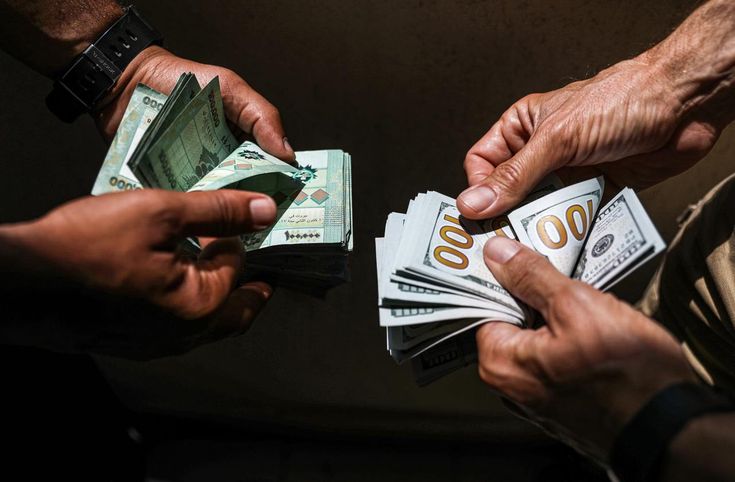
In the constantly evolving world of air travel, few factors are as quietly powerful as currency exchange rates. Many Nigerian travelers often wonder why ticket prices seem to fluctuate from week to week, even when flight dates, airlines, and destinations remain the same. While airline competition, fuel prices, and demand play a role, the strength or weakness of a currency like the Nigerian Naira also directly impacts international flight costs. Understanding how currency exchange rates work can help you time your bookings better, avoid unnecessary expenses, and make smarter travel decisions.
In this article, we will explore how currency movements shape international flight pricing, the key reasons airlines adjust fares based on currency changes, and what travelers can do to minimize the effects of exchange rate fluctuations.
Understanding Currency Exchange Rates
Currency exchange rates represent the value of one country’s currency compared to another. When the Nigerian Naira weakens against major currencies like the US Dollar, Euro, or British Pound, imported goods and services, including flight tickets sold in foreign currency, become more expensive.
For instance, if the Naira depreciates from ₦1,300 to ₦1,500 per US dollar, and an airline ticket costs $500, the Naira cost rises from ₦650,000 to ₦750,000. That change alone can significantly affect travel budgets, especially for frequent flyers and international students.
Since airlines and global booking platforms typically price flights in stronger currencies, any fluctuation in exchange rates will immediately influence ticket prices when converted into Naira.
Why Exchange Rates Affect Airline Pricing
Airlines operate globally, meaning their revenue, expenses, and ticket sales often involve multiple currencies. A change in one currency’s strength can ripple through the entire system. There are several key reasons why exchange rate movements affect airfares:
- Operating Costs in Foreign Currencies: Airlines pay for jet fuel, maintenance, airport fees, and crew salaries in foreign currencies. When the Naira weakens, it costs airlines more to cover these expenses, leading to higher ticket prices for Nigerian travelers.
- Revenue Balancing: Airlines adjust ticket prices to protect their profit margins. If a currency drops significantly, carriers may increase fares from that market to offset losses when converting revenue back to stronger currencies like the dollar or euro.
- Booking Platforms and Conversion Rates: Online travel agencies and booking websites convert fares dynamically using daily exchange rates. This means prices displayed on Nigerian websites or apps can change overnight, depending on currency performance.
- Global Demand and Competitive Pricing: Airlines monitor currency trends to predict travel demand. If exchange rates make travel more expensive for passengers from a certain country, airlines may reduce capacity or promotions for that market, indirectly influencing average ticket costs.
The Impact of Naira Fluctuation on International Flights
For Nigerian travelers, the link between the Naira’s exchange rate and flight prices is especially noticeable. When the local currency experiences a decline, airfare prices to destinations like London, Dubai, Toronto, or New York typically rise. Conversely, during periods when the Naira stabilizes or gains slightly, prices may drop or remain steady.
Airlines operating in Nigeria, such as British Airways, Emirates, Turkish Airlines, and Qatar Airways, often adjust fares frequently to account for foreign exchange volatility. Local carriers offering international routes also face challenges in managing foreign exchange costs, which can limit their ability to offer lower prices compared to foreign airlines.
The effect extends beyond just ticket prices. Travel insurance, visa fees, and hotel bookings, often priced in foreign currencies, also become more expensive when the Naira weakens. For Nigerian students studying abroad or families planning vacations, understanding these dynamics can help with budgeting and timing purchases.
How Travelers Can Save Money Despite Exchange Rate Changes
While exchange rate fluctuations are beyond individual control, there are practical ways travelers can reduce their exposure to higher prices caused by a weak currency:
Book Early and Watch Exchange Trends:
Flight prices generally increase as the travel date approaches, but they can also rise suddenly due to exchange rate changes. Monitoring forex trends and booking early, when the Naira is relatively stable—can help secure better deals.
Use Local Payment Channels:
Some airlines and travel agencies in Nigeria allow payments in Naira at pre-set exchange rates. This shields travelers from sudden forex spikes. Booking through a reliable travel agency like Oramus Travel Services can help you lock in favorable rates early.
Avoid Last-Minute Purchases:
Last-minute ticket purchases tend to reflect current exchange rates, which could be higher than a few weeks earlier. Planning your trips months ahead gives you flexibility to book when rates are favorable.
Compare Multiple Platforms:
Different booking sites may apply varying exchange rates and transaction fees. Comparing flight prices across several platforms, both global and local, can reveal significant savings opportunities.
Consider Regional Airports:
In some cases, flying from a different Nigerian city such as Abuja or Port Harcourt instead of Lagos can yield lower fares, depending on each airport’s currency settlement agreements with airlines.
Use Forex Tools or Apps:
Mobile apps that track forex rates can alert you to favorable exchange movements, helping you decide the best time to book.
The Role of Government Policies and Foreign Exchange Controls
In Nigeria, government foreign exchange policies and Central Bank interventions can heavily influence the aviation sector. When airlines face difficulties repatriating funds due to foreign currency shortages, they often increase fares to minimize risks. These challenges can make flights to and from Nigeria more expensive compared to neighboring countries with more flexible forex systems.
Recent efforts to improve forex liquidity and allow airlines to access foreign exchange more freely have shown positive signs for fare stability. However, until exchange rates become more predictable, international flight prices will continue to fluctuate.
A Look at Global Currency Strength and Its Effects
The US Dollar remains the benchmark currency for most international airfares. Therefore, any significant appreciation of the dollar affects global travel costs. For instance, when the dollar strengthens, flights priced in dollars become more expensive for travelers using weaker currencies like the Naira.
Similarly, a stronger Euro impacts travel to European destinations, while fluctuations in the British Pound affect ticket prices to the United Kingdom. Travelers paying in local currencies are essentially exposed to these changes, especially when their earnings are in a weaker or unstable currency.
Strategies for Budget-Conscious Nigerian Travelers
- Plan International Trips During Currency Stability: Watch for periods when the Naira stabilizes before buying tickets.
- Use Travel Agencies for Rate Locking: Agencies can often help secure lower exchange rates in advance.
- Travel During Off-Peak Seasons: Lower demand periods can offset higher currency-related costs.
- Opt for Regional Airlines: Some African carriers price tickets in local currencies, reducing exposure to forex swings.
- Pay with Forex Cards or USD Accounts: If possible, use dollar-based payment methods to bypass inflated local conversion rates.
Currency exchange rates play a vital role in shaping international flight prices, especially for travelers from countries with fluctuating currencies like Nigeria. Every movement in the Naira’s value against major currencies such as the dollar or euro directly affects airfare, accommodation, and overall travel costs. Understanding this relationship can help travelers make informed booking decisions, avoid unnecessary expenses, and plan their trips strategically.
The key is to stay proactive: monitor currency trends, book early, and use reliable travel platforms that offer transparent pricing. While you cannot control the forex market, you can control how you respond to it. With smart planning and timely bookings, Nigerian travelers can still enjoy affordable and stress-free international journeys, no matter the exchange rate.
Fill this FORM to book your flight today.

Other Articles





No Comment! Be the first one.