


The world of air travel has changed dramatically over the past decade. From queuing at physical travel agencies to comparing hundreds of flight options online, travelers today have more tools at their fingertips than ever before. But with so many ways to book, a new debate has emerged among frequent flyers and vacation planners, which is better: flight booking apps or traditional websites?
As more Nigerians embrace mobile travel technology, this question has become particularly relevant. Whether you’re planning a family vacation, a business trip, or a quick getaway, choosing the right platform can make the difference between an affordable, stress-free experience and an expensive, time-consuming one. This article explores the key differences between flight booking apps and traditional websites, how each can save you money, and what smart travelers should consider before clicking “book.”
The Rise of Flight Booking Apps
Flight booking apps have revolutionized how we search and pay for flights. Designed for convenience and speed, they allow travelers to compare ticket prices, set fare alerts, access loyalty programs, and even check in, all from their smartphones. Popular apps such as Skyscanner, Hopper, Google Flights, Travelstart, and Wakanow have made it possible to find flight deals within seconds.
The appeal of these apps lies in their mobility. Travelers can search and book flights anywhere, during a commute, in an airport lounge, or while waiting in line at the grocery store. Many apps also offer exclusive mobile-only discounts, especially for last-minute bookings or flash sales. Push notifications alert users when prices drop for their preferred routes, helping them snag deals before they expire.
In addition, booking apps often come with user-friendly interfaces, AI-powered recommendations, and integrated payment systems like Apple Pay, Google Pay, and Paystack. For travelers who value speed, personalization, and on-the-go flexibility, apps have become an indispensable tool.
The Continued Relevance of Traditional Flight Booking Websites
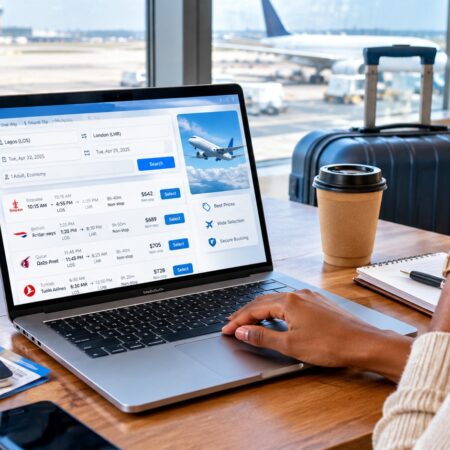
While apps are growing in popularity, traditional flight booking websites continue to dominate in certain areas. These websites, accessible via desktop or laptop browsers, often provide more in-depth search filters, detailed fare breakdowns, and multi-leg flight options.
For travelers planning complex itineraries, for instance, multi-city or international routes, traditional websites usually offer more robust customization tools. Websites also display more detailed fare conditions and cancellation policies, which are sometimes hidden or abbreviated in mobile apps.
Another advantage is accessibility across devices. Websites can be used without downloading additional software, which appeals to travelers who prefer to avoid filling their phones with apps. Many older travelers or corporate clients also trust websites more for processing large payments due to the perception of enhanced security and transparency.
Price Comparison: Apps vs. Websites
One of the most common assumptions among travelers is that apps always offer cheaper prices. While it’s true that apps sometimes feature mobile-exclusive deals, the price difference between apps and websites is not always significant. Airlines and travel platforms often synchronize fares across both channels to maintain consistency.
However, flight booking apps may provide additional discounts through promotional codes, referral bonuses, or loyalty points that can be applied instantly at checkout. On the other hand, traditional websites often list a wider range of third-party booking options, giving users a chance to compare and manually select the lowest price.
A smart traveler will often check both platforms before booking. For example, a ticket that costs $450 on a travel website might be available for $430 on the same company’s app due to mobile-only discounts. Conversely, a flash deal might appear first on the desktop version before being updated on the mobile platform.
Hidden Fees and Transparency
When it comes to transparency, websites tend to perform better. They usually display full fare details, taxes, and service charges in a more comprehensive layout. Some flight booking apps, especially newer ones, may show an attractive “base fare” and only reveal additional fees (like baggage, seat selection, or service charges) later in the process.
Websites also make it easier to view detailed terms and refund policies, an important factor when booking international flights or tickets with multiple connections. Apps, however, often prioritize speed and simplicity, which can mean fewer details are visible at first glance.
Convenience and User Experience
For many travelers, convenience is a deciding factor. Booking apps are optimized for ease of use and designed with clean, intuitive layouts. You can save traveler information, payment cards, and passport details securely, allowing for faster checkout on future bookings.
Websites, however, offer a broader visual experience. Travelers can view larger maps, more flight options, and detailed comparison charts on bigger screens. Websites also remain the preferred option for business travelers or families making multiple bookings simultaneously.
The ideal strategy for convenience? Use both. Research and compare fares on a traditional website, then complete your booking on an app if it offers a better discount or more flexible payment method.
Notifications, Updates, and Real-Time Alerts
One of the strongest advantages of flight booking apps is real-time notifications. You can receive instant alerts for flight delays, cancellations, gate changes, or price drops. This feature can save both time and money, especially for travelers managing tight schedules or connecting flights.
Traditional websites may offer email notifications, but these are not as immediate or interactive as mobile push alerts. Apps like Hopper and Skyscanner even use predictive algorithms to forecast future price changes, advising you on the best time to book.
Payment Methods and Local Accessibility
In Nigeria and across Africa, payment flexibility is a major consideration. Many flight booking apps now support local payment gateways such as Paystack, Flutterwave, and Paga, making it easier for users to pay in Naira or other regional currencies.
Traditional websites often require international credit cards, which can be a limitation for some travelers. However, larger travel companies have started integrating local payment options into their desktop platforms as well.
Apps also support installment payments or “book now, pay later” options through digital wallets — a growing trend among Nigerian travelers. This flexibility can make flight booking apps a more accessible choice for young travelers and students.
Security and Data Privacy
Security is vital when sharing personal and financial details online. Both apps and websites use encryption to protect user information, but websites often display more visible verification symbols like SSL certificates, which boost user confidence.
That said, well-established travel apps from reputable providers are equally secure. The key is to avoid downloading from unofficial sources and to ensure the app is updated regularly. Always check reviews and permissions before storing sensitive information.
Which Option Saves You More?
In most cases, flight booking apps save you more on short-term or spontaneous travel, while traditional websites are better for planned, complex trips. Apps excel at offering instant discounts, promo codes, and flash deals, while websites often help you find the most transparent and customizable flight combinations.
If you’re a frequent traveler who loves to chase deals, flight booking apps are ideal. But if you’re planning a long-haul vacation or need detailed control over your itinerary, a traditional website may be the smarter option.
For the best of both worlds, compare prices across both channels before paying, and don’t forget to clear your browser cookies to avoid dynamic pricing that can inflate fares based on your search history.
In today’s digital travel landscape, there is no single winner between flight booking apps and traditional websites. Both offer unique advantages depending on the traveler’s priorities. Apps deliver mobility, instant updates, and exclusive discounts, while websites provide deeper transparency, complex itinerary options, and easier fare analysis.
The real trick is knowing how to use both effectively. Start your search on a desktop to explore all available routes and prices, then check your preferred app for last-minute mobile-only deals before booking. This approach ensures you save more and travel smarter every time.
Whether you prefer tapping your phone or clicking your mouse, the key to affordable and stress-free travel lies in staying informed and flexible.
Fill this FORM to book your flight today.

Other Articles





No Comment! Be the first one.