


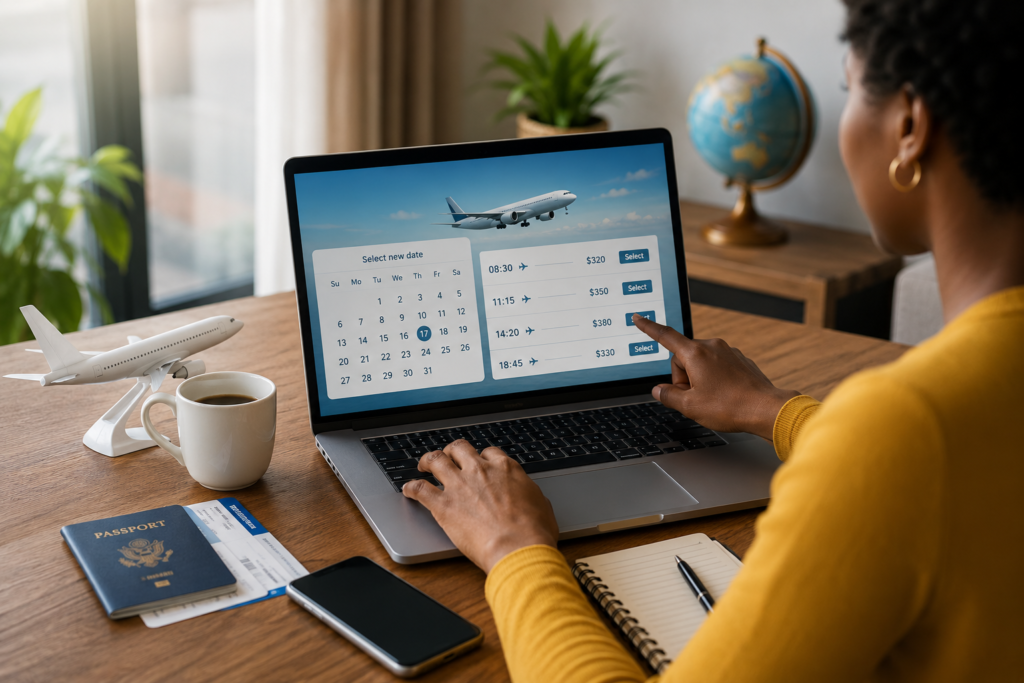
Picture this: you have just booked your dream flight, paid every penny, and received your confirmation email, then life happens. A sudden work emergency, a family obligation, or simply a change of heart leaves you staring at that booking reference with one burning question: Can I still change my flight date? The answer is not as simple as yes or no, and what you do next could either save you hundreds of dollars or cost you dearly. Whether you are a seasoned traveller or stepping onto a plane for the very first time, understanding how flight date changes work is one of the most valuable pieces of travel knowledge you can carry.
This guide will walk you through everything clearly, completely, and without the fine-print confusion.
The Short Answer: Yes, But It Comes With Conditions
In most cases, you can change your flight date after booking. However, the ease, cost, and flexibility of doing so depend heavily on several factors: the airline you booked with, the type of ticket you purchased, how far in advance you request the change, and the specific terms attached to your fare.
Airlines do not operate under a single universal policy. What applies to one carrier may be entirely different for another. This is why it is essential to understand the rules before you book and to act quickly when plans change.
Types of Tickets and What They Mean for Changes
One of the most important factors in changing your flight date is the fare class or ticket type you purchased. Here is a breakdown:
1. Flexible or Refundable Tickets
These tickets are specifically designed with changes in mind. They typically allow you to modify your travel date with little to no fee. Some refundable fares even permit cancellations and full refunds. While they cost more upfront, they offer peace of mind that is difficult to put a price on for travellers with unpredictable schedules.
2. Standard or Non-Refundable Tickets
The majority of travellers book non-refundable tickets because of their lower price. These tickets can still be changed, but airlines often charge a flight change fee, which can range from $50 to $400 or more depending on the airline and route. Additionally, if your new flight costs more than the original, you will be required to pay the fare difference.
3. Basic Economy or Saver Fares
These are the most restrictive tickets available. Many airlines, including major carriers like Delta, American Airlines, and United, do not permit date changes on basic economy fares at all. If you need to modify your travel plans, you may be required to forfeit the ticket entirely or purchase a brand-new one.
Airline-Specific Policies You Should Know
Different airlines have developed their own policies on flight date changes. Here is an overview of how some major carriers handle it:
- American Airlines: Allows date changes on most fares except Basic Economy. Change fees were eliminated for many domestic and international routes following the COVID-19 pandemic.
- Delta Air Lines: Similar to American, Delta removed change fees for most non-basic economy tickets. Passengers pay only fare differences if applicable.
- United Airlines: Eliminated change fees for most standard economy and above tickets on domestic and international flights. Basic Economy remains non-changeable.
- Southwest Airlines: One of the most flexible airlines in the industry. Southwest allows flight changes at no charge, you simply pay or receive credit for any fare difference.
- Ryanair and EasyJet (Budget European Carriers): Changes are permitted but often come with significant fees. Changing dates closer to departure typically costs more.
- Emirates, Qatar Airways, and Etihad: Premium international carriers generally offer more flexibility, particularly on business and first-class tickets. Economy ticket policies vary by fare type.
Always review the specific fare conditions listed during checkout before completing your purchase.
The 24-Hour Rule: A Critical Window
If you are in the United States, federal law grants you an important advantage. The U.S. Department of Transportation’s 24-hour rule requires airlines to either:
- Allow passengers to hold a reservation for 24 hours without payment, or
- Permit a full refund if the booking is cancelled within 24 hours of purchase, provided the flight is at least seven days away.
This rule applies to tickets purchased directly through the airline. If you booked through a third-party platform, the refund or change policy may differ. Use this 24-hour window wisely, it is your best opportunity to correct an error or change plans without any financial penalty.
How to Change Your Flight Date: Step-by-Step
Changing your flight is more straightforward than many travellers expect. Here is how to go about it:
- Locate your booking confirmation. You will need your booking reference number and the email address used during purchase.
- Visit the airline’s official website or app. Navigate to the “Manage My Booking” or “My Trips” section.
- Select the flight you wish to change. Review the available options and any associated fees before confirming.
- Choose your new travel date. The system will display available flights and any price differences in real time.
- Pay any applicable fees or fare differences. Confirm the change and save your new itinerary.
- Contact customer service if needed. If you encounter difficulty online, calling the airline directly is always a reliable alternative.
Tips to Minimise Change Costs
Changing a flight does not have to break the bank. Here are practical ways to reduce costs:
- Purchase travel insurance. A comprehensive travel insurance policy often covers flight changes due to illness, emergencies, or unforeseen events. This can save you substantial money.
- Book directly with the airline. Third-party booking platforms sometimes impose their own change fees on top of the airline’s fee.
- Act early. The sooner you request a change, the more options and often lower fees you will have available.
- Use airline loyalty points or miles. Frequent flyer members often receive waived or reduced change fees as a membership benefit.
- Monitor promotions. Some airlines occasionally offer fee waivers during special promotions or during periods of high rebooking demand.
What If You Miss Your Flight?
Missing a flight is a different situation from voluntarily changing one. If you miss your flight without notifying the airline, you risk being classified as a “no-show,” which may result in the forfeiture of your ticket with no credit or refund. Always contact the airline as soon as you know you will not make your flight, many carriers will work with you to rebook, especially if you reach out before departure.
Final Thoughts
Life is unpredictable, and travel plans are no exception. The good news is that most airlines today offer more flexibility than they did a decade ago, particularly following the widespread policy changes introduced after the COVID-19 pandemic. Understanding your ticket type, knowing the airline’s policy, and acting promptly when plans change are the three pillars of managing flight date modifications without unnecessary stress or expense.
Before you book your next flight, take a few extra minutes to read the fare conditions carefully. A slightly higher fare with change flexibility could save you far more in the long run. Travel smart and when life throws a curveball, know that in most cases, your flight date is not set in stone.
If you found this guide helpful, consider sharing it with a fellow traveller who might need it.
Fill this FORM to book your flight today.
FORM

Other Articles



No Comment! Be the first one.