


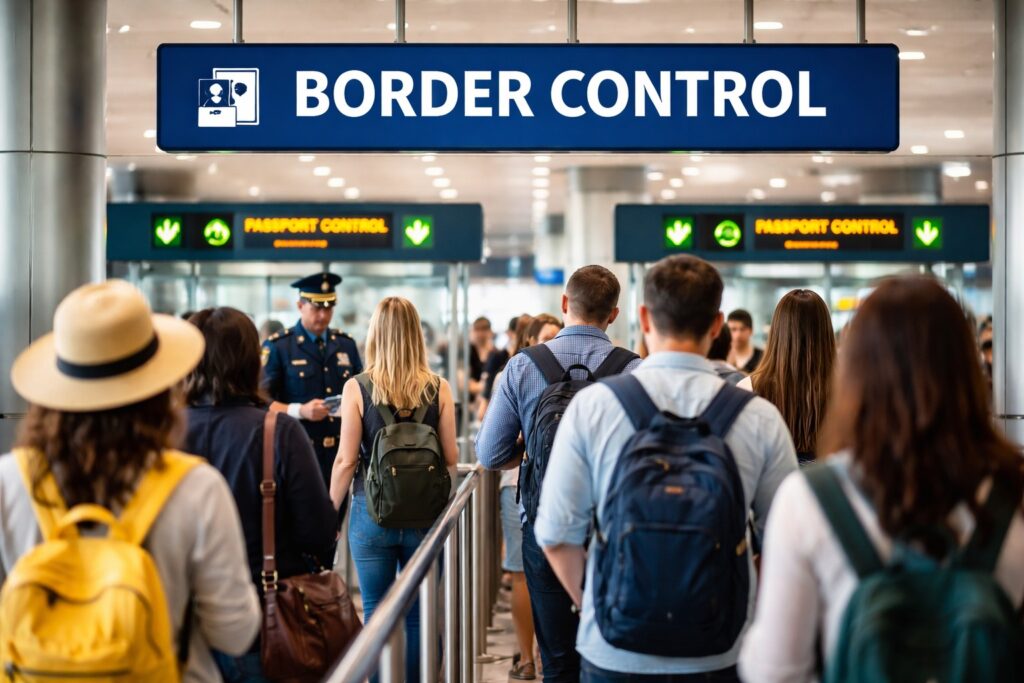
Crossing an international border often feels routine. Passport in hand, bags packed, excitement high. Yet for many travelers, the real surprise comes not from the destination but from the rules waiting at the border. Regulations that seem minor or unusual can delay entry, lead to fines, or even result in denial of access. From food restrictions to unexpected document checks, border rules vary widely and are strictly enforced. Many travelers only learn about them the hard way.
This article explores some of the most surprising border rules around the world, explains why they exist, and shows how travelers can prepare properly. Understanding these rules is not just helpful, it is essential for smooth and stress free travel.
Why Border Rules Exist
Border rules are not designed to inconvenience travelers. They exist to protect national security, public health, the economy, and cultural values. Governments use border controls to prevent illegal immigration, stop the spread of diseases, protect local agriculture, and enforce customs laws. Because countries face different risks, their rules reflect local priorities. What is allowed in one country may be strictly forbidden in another. This difference is what often catches travelers off guard.
Passport Validity Rules Many People Miss
One of the most common surprises is passport validity. Many travelers assume a passport is valid as long as it has not expired. This is not always true. Several countries require a passport to be valid for at least six months beyond the intended date of departure. Others require three months validity after leaving the country.
There are also blank page requirements. Some countries will refuse entry if your passport does not have enough blank pages for entry and exit stamps. Even travelers with valid visas have been denied boarding because of this overlooked rule. Airlines enforce these requirements strictly because they are fined for transporting passengers who are denied entry.
Visa Free Does Not Mean Condition Free
Visa free travel is often misunderstood. When a country allows visa free entry, it does not mean travelers can arrive without meeting conditions. Border officers may ask for proof of onward travel, hotel reservations, travel insurance, or sufficient funds.
Some travelers are surprised to learn that a return ticket is mandatory even for short visits. Others are denied entry because they cannot show where they will stay. In many countries, border officers have wide discretion to assess whether a visitor is a genuine tourist. Failing to meet these conditions can lead to immediate refusal of entry.
Food and Agricultural Restrictions
Food items are one of the most commonly restricted items at borders. Fresh fruits, vegetables, meat, dairy products, and seeds are often prohibited. These rules exist to prevent the introduction of pests and diseases that could damage local agriculture.
Many travelers are surprised that even homemade snacks can be confiscated. In some countries, failure to declare food items can result in heavy fines. Even packaged food may be restricted depending on its ingredients. Always declare food items when in doubt. Declaring does not mean punishment, but hiding items often does.
Medication Rules That Catch Travelers Unaware
Prescription medications are another area where travelers face unexpected problems. Some medicines that are legal and commonly used in one country are controlled or banned in another. This includes painkillers, sleep aids, and medications for anxiety or attention disorders.
Some countries require travelers to carry a doctor’s prescription or a medical letter. Others limit the quantity that can be brought in. Travelers have been detained or fined for carrying medication without proper documentation. Before traveling, it is important to check the medication regulations of the destination country and carry only what is permitted.
Cash Limits and Financial Declarations
Many travelers are surprised to learn that carrying large amounts of cash across borders is regulated. Most countries have a maximum amount of cash that can be brought in or taken out without declaration. This amount varies by country.
Failure to declare cash above the allowed limit can lead to confiscation, fines, or legal trouble. The rule applies even if the money was legally earned. Border authorities use this measure to combat money laundering and illegal financial activities. Travelers should always declare cash honestly and understand local thresholds.
Dress Code and Cultural Sensitivity Rules
While not always written clearly, cultural expectations can affect border experiences. In some countries, particularly those with strong religious or cultural norms, dressing in a way considered inappropriate can attract unwanted attention or delays.
This is especially relevant at land borders and immigration checkpoints. Clothing with offensive symbols or messages may also cause problems. While tourists are not expected to fully adopt local dress styles, showing respect for local norms can prevent unnecessary issues.
Electronic Devices and Data Checks
Many travelers are unaware that border officials in some countries have the legal authority to inspect electronic devices. This can include phones, laptops, and tablets. Officers may ask to review messages, photos, or social media accounts.
Refusing to comply can result in denial of entry in some jurisdictions. This rule is often linked to security and immigration enforcement. Travelers should be aware of local laws and consider securing sensitive personal or work related data before traveling.
Age Restrictions and Parental Consent Rules
Traveling with minors comes with its own set of surprising rules. Some countries require notarized consent letters when a child is traveling with one parent or without both parents. Border officers may ask for birth certificates or legal custody documents.
Failure to provide these documents can result in delays or refusal of entry. These rules exist to prevent child trafficking and abduction. Parents and guardians should research requirements carefully before traveling with children.
Length of Stay Is Not Always What You Think
Many travelers assume that visa free entry automatically grants the maximum stay advertised. In reality, the length of stay is determined by the border officer. An officer may grant fewer days than expected based on travel plans, previous travel history, or perceived risk.
Overstaying, even by one day, can lead to fines, bans, or future visa problems. Travelers should always check the entry stamp or digital record to confirm the allowed length of stay.
Previous Travel History Can Affect Entry
Travel history plays a bigger role at borders than many people realize. Visits to certain countries may result in additional questioning or scrutiny. This does not always mean denial, but it can lead to delays.
Inconsistent travel patterns, frequent long stays, or previous overstays in other countries may raise concerns. Border officers assess risk based on patterns, not just current documents. Honest and consistent answers are crucial during questioning.
Customs Rules on Personal Items
Items considered personal in one country may be restricted in another. This includes drones, professional cameras, religious materials, or large quantities of personal goods. Some countries require permits for items that could be used for commercial purposes.
Travelers are often surprised when items are confiscated or held until departure. Understanding customs regulations helps avoid unnecessary loss or delays.
How to Prepare and Avoid Border Surprises
Preparation is the best defense against border issues. Travelers should research entry requirements from official government sources, not just travel blogs or social media posts. Rules can change without much notice.
Keeping documents organized, declaring items honestly, and maintaining a respectful attitude at the border can make a significant difference. Border officers have discretion, and how a traveler presents themselves matters.
Conclusion
Border rules are often stricter and more complex than travelers expect. What seems minor can have serious consequences if ignored. From passport validity and visa conditions to food restrictions and data checks, these rules reflect each country’s priorities and risks. Understanding them is not about fear, it is about preparation. Well informed travelers move through borders smoothly and confidently. By taking the time to learn and comply with border rules, travelers protect their plans, their finances, and their peace of mind. A smooth border crossing sets the tone for a successful journey, and that preparation is always worth it.
Fill this FORM to book your flight today.
FORM

Other Articles
Why Some Students Lose Their Study Visa Mid-Program
Travel Laws Nigerians Often Ignore
No Comment! Be the first one.