


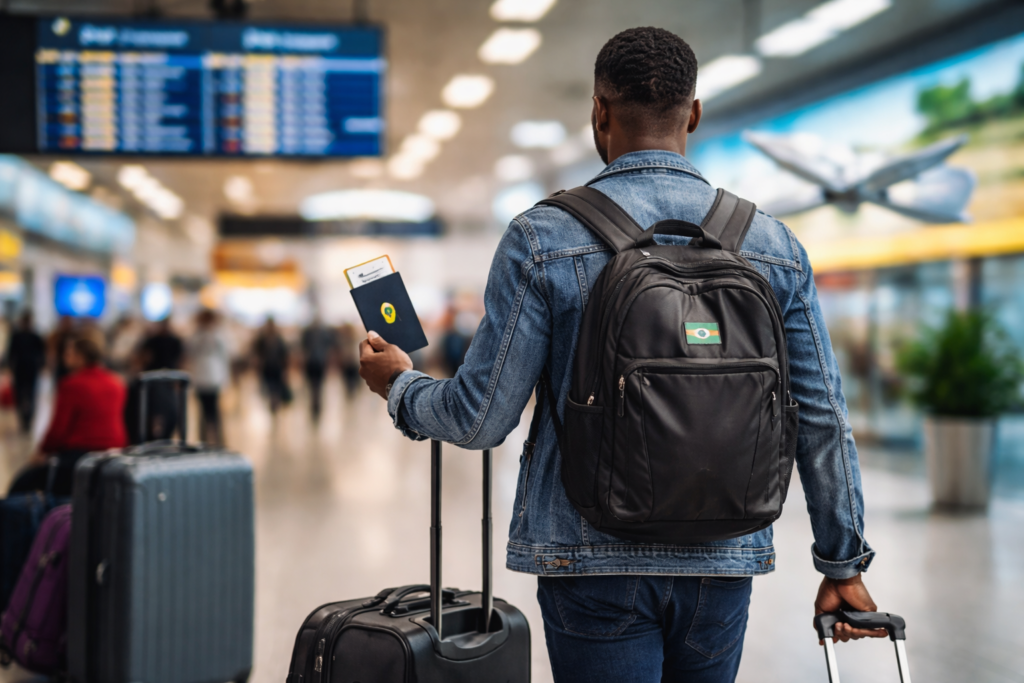
Traveling can be one of life’s most enriching experiences, offering new cultures, unforgettable sights, and personal growth. Yet, many Nigerians often find themselves facing legal trouble abroad or even during departure due to a lack of awareness of travel laws. While passports, visas, and tickets are the basics, there is an intricate web of international regulations, airline rules, and local laws in foreign countries that must be respected. Ignoring these can lead to fines, denied entry, or even detention. Understanding these rules not only ensures a smoother journey but also safeguards your reputation and finances. In this guide, we highlight the travel laws Nigerians often overlook, helping travelers navigate international borders with confidence and ease.
1. Passport Validity and Requirements
One of the most commonly ignored travel rules is the validity of passports. Many Nigerians attempt to travel with passports that have less than six months before expiration. Most countries, including the U.S., U.K., Schengen states, and Canada, require a passport to be valid for at least six months beyond the date of entry. Airlines also strictly enforce this rule and may deny boarding, leaving travelers stranded.
It is essential to check passport validity before booking flights. If your passport is near expiration, renew it promptly at the Nigerian Immigration Service (NIS) to avoid unnecessary travel disruptions.
2. Visa Regulations
Visas remain a critical yet often misunderstood aspect of international travel. Nigerians sometimes attempt to travel on tourist or business visas without understanding their scope, duration, or restrictions. For example, using a tourist visa for paid work or overextending your stay can result in deportation, fines, and even blacklisting.
Some travelers also ignore the need to obtain visas before departure, assuming they can obtain them on arrival. While a few countries offer visa-on-arrival services for Nigerians, most require advance approval. Always check the visa requirements of your destination country well ahead of your trip.
3. Customs Declarations
Customs regulations are often overlooked, but failing to declare items can have serious consequences. Nigerians have been fined or detained for carrying prohibited or restricted items such as certain electronics, large sums of cash, or agricultural products.
For example, carrying more than the allowed currency (usually $10,000 or equivalent) without declaration can lead to confiscation or legal trouble. Travelers must also be aware of the limits on items like alcohol, tobacco, and gifts. Declaring items honestly at customs helps prevent fines and legal complications.
4. Prohibited and Restricted Items
Every country maintains a list of prohibited and restricted items, which often differ from what is allowed in Nigeria. Ignorance is not an excuse. For instance, items such as pepper spray, drones, prescription medications without proper documentation, or certain cultural artifacts may be banned in some countries.
It is the responsibility of the traveler to research and comply with these regulations. Websites like the International Air Transport Association (IATA) and the official customs portals of destination countries provide up-to-date lists. Packing responsibly ensures smooth passage through airports and avoids unnecessary legal issues.
5. Airline and Airport Rules
Airlines have rules that Nigerians sometimes ignore, especially regarding baggage, liquids, electronics, and boarding protocols. Overweight luggage or carrying prohibited items in carry-on bags can result in additional fees or denied boarding.
Moreover, security screenings are stricter than many expect. Not following instructions, attempting to bypass security, or misunderstanding airport procedures can lead to delays, missed flights, or even legal actions. Familiarizing yourself with airline policies before departure is crucial.
6. Health Regulations and Travel Vaccines
Health laws are another area frequently overlooked. Many countries require proof of vaccination for diseases such as yellow fever, especially when arriving from West Africa. Failure to present valid vaccination certificates can result in denied entry or quarantine.
Additionally, some destinations have specific health regulations, including mandatory COVID-19 tests, malaria prophylaxis, or other preventive measures. Ignoring these rules not only risks legal penalties but also jeopardizes personal health and the safety of fellow travelers.
7. Travel Insurance and Legal Responsibility
While not always a legal requirement, travel insurance is highly recommended and, in some countries, mandatory. Nigerians often ignore this aspect, thinking it is an unnecessary expense. Travel insurance protects against medical emergencies, trip cancellations, lost luggage, and legal liabilities.
In certain countries, lacking adequate insurance can result in fines or even refusal of medical treatment for travelers. It is crucial to purchase insurance from a reputable provider and understand its coverage fully before departure.
8. Local Laws and Cultural Norms
Perhaps the most ignored travel law is respecting local laws and cultural norms. Simple actions, such as photographing restricted areas, public displays of affection, or dressing inappropriately, can have serious legal consequences in some countries.
For instance, some Middle Eastern countries have strict dress codes, alcohol restrictions, and regulations around public behavior. Ignorance of these rules can lead to fines, imprisonment, or deportation. Travelers should research the legal and cultural expectations of their destination to avoid inadvertent offenses.
9. Digital Compliance
In today’s digital age, travelers must also be aware of digital laws. Carrying pirated software, violating online gambling restrictions, or using VPNs to bypass local regulations can lead to serious legal issues abroad. Some countries scrutinize travelers’ electronic devices during immigration checks.
Nigerians traveling internationally should ensure their devices comply with local laws and remove any illegal content before departure. Being digitally responsible is just as important as physical compliance.
10. Reporting and Legal Assistance Abroad
Many Nigerians ignore the importance of knowing how to access local legal help while traveling. Being aware of the Nigerian embassy or consulate in your destination country is essential in emergencies such as lost passports, arrests, or accidents.
Embassies can provide guidance, support, and help communicate with local authorities. Ignoring this precaution can leave travelers vulnerable in difficult situations, so keeping emergency contacts handy is crucial.
11. Financial Regulations and Banking Abroad
Carrying large sums of cash without proper declaration is illegal in most countries. Nigerians often attempt to travel with cash or undeclared foreign currencies exceeding legal limits, risking confiscation or fines.
Using local banking regulations correctly is also important. Some countries require travelers to use specific channels for foreign exchange or prohibit certain financial transactions. Ignoring these rules can create legal and financial problems during your trip.
12. Environmental and Wildlife Laws
Travelers must respect environmental regulations and wildlife protection laws. Nigerians often unknowingly break these laws by transporting plants, animal products, or even sand and shells as souvenirs.
International treaties like CITES regulate the trade of endangered species and their derivatives. Violating these rules can lead to severe penalties, including fines and imprisonment. Always check whether your intended souvenirs are legal in both the destination country and Nigeria.
Conclusion
Awareness and preparation are the cornerstones of safe and legal international travel. Nigerians frequently overlook essential travel laws, risking fines, denied entry, or worse. By ensuring passport validity, understanding visa requirements, declaring items honestly, adhering to local laws, and respecting airline, health, and digital regulations, travelers can avoid unnecessary complications. Knowledge of cultural norms, legal rights abroad, and financial rules further protects both personal safety and reputation.
Traveling responsibly not only guarantees smoother journeys but also reflects well on Nigerians as international travelers. Staying informed and compliant ensures that your adventures remain enjoyable, stress-free, and memorable for all the right reasons. Remember, ignorance of the law is never an excuse, being proactive is the key to traveling smart.
Fill this FORM to start your study abroad journey.
FORM

Other Articles
Why Visa Agents Avoid Giving Written Guarantees

No Comment! Be the first one.