


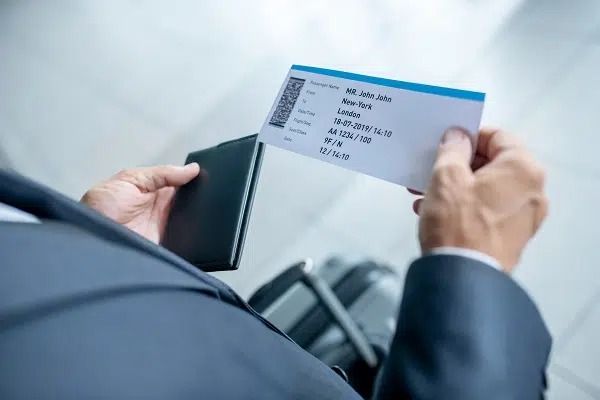
Air travel has become an essential part of modern life, connecting people and opportunities across the globe. Yet, one mystery continues to puzzle travelers everywhere, the unpredictable fluctuation of flight prices. You might search for a ticket in the morning, only to find it hundreds of naira or dollars more expensive by evening. The next day, the same flight could drop back down. Why does this happen? What influences the rise and fall of ticket fares so frequently? The answer lies in a fascinating blend of economics, technology, psychology, and airline strategy.
Understanding the psychology behind flight pricing not only helps travelers book smarter but also offers insight into how airlines use data and consumer behavior to determine ticket costs. In this article, we explore how and why airfares change multiple times a day, and how you can use that knowledge to your advantage when planning your next trip.
The Invisible Hand of Dynamic Pricing
Airline ticket prices are not set in stone. They are controlled by a system called dynamic pricing, an algorithm-based model that adjusts prices in real-time depending on a variety of factors such as demand, time of booking, route popularity, and even the number of people searching for the same flight.
Airlines use sophisticated software that constantly monitors the market. If more people begin to search or book tickets on a particular route, the system interprets that as rising demand and increases prices. Conversely, if the seats aren’t selling fast enough, prices may drop temporarily to attract buyers.
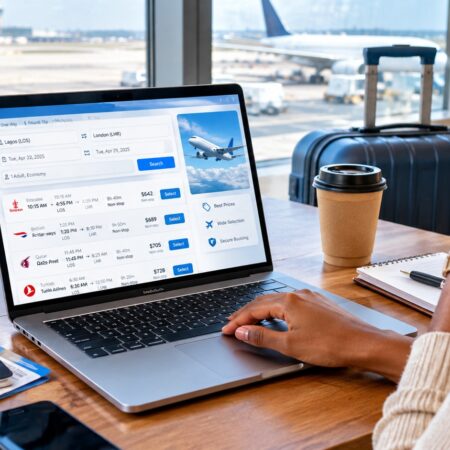
This process can happen dozens of times a day. It’s why you might see a Lagos-to-London ticket at ₦450,000 in the morning and ₦470,000 by the evening.
The Role of Consumer Psychology
Airlines have mastered the art of tapping into human psychology to drive sales. One of their strongest tools is perceived scarcity. When travelers see a notice like “Only 3 seats left at this price,” they often feel compelled to book immediately out of fear that the price will increase.
This technique, known as urgency marketing, plays on our natural fear of missing out. Airlines also use cookies and tracking tools to gauge your interest in a route. When you repeatedly check a particular flight, the system may interpret that as increased intent to buy, causing prices to rise slightly to push you toward booking.
Another psychological tactic is anchoring, the practice of displaying a higher “original price” next to a “discounted” fare to make the lower price seem more appealing. Even if the discount is minor, it influences how the traveler perceives value.
How Algorithms Shape Flight Costs
Flight pricing algorithms rely on artificial intelligence and big data. These systems track historical flight data, seasonal travel trends, and even competitor pricing. They constantly analyze when travelers are most likely to buy tickets and how much they’re willing to pay.
For example, airlines know that Nigerian travelers tend to book heavily during festive periods such as Christmas, Easter, or summer holidays. The algorithms detect this surge in searches and automatically adjust fares upward, knowing that demand is inelastic during those times.
The same applies to global events, if there’s a major conference, concert, or festival happening in a particular city, prices can surge within hours as search traffic spikes.
The Influence of Time and Day
Contrary to what many believe, there isn’t a fixed “best time” to book flights, but patterns exist. Generally, airlines release new fare updates multiple times a day, especially during peak search hours in different regions.
For Nigerian travelers, early mornings and late evenings often bring small fare adjustments, as airlines synchronize with international systems. Tuesdays and Wednesdays have traditionally been seen as the best days to find deals because airlines tend to announce discounts early in the week after evaluating weekend demand. However, these windows can vary depending on the route and competition.
Competition and Market Behavior
Flight prices are also shaped by competition. When one airline offers a flash sale or discount, others flying the same route may quickly lower their fares to remain competitive. Once the promotional period ends or tickets sell out, prices return to normal or even increase slightly to maximize profit.
Low-cost carriers are especially known for this behavior. They often lure passengers with very low base fares but charge extra for baggage, seat selection, and meals. Full-service airlines may respond by offering bundled deals or loyalty program rewards to attract customers.
How Search History Affects Prices
Although airlines deny increasing prices based on individual browsing history, some travel websites use cookies to track repeated searches. When they notice you’ve checked a route multiple times, they might show slightly higher prices or fewer seat options to create a sense of urgency.
To avoid this, experts recommend browsing in incognito mode or clearing cookies before searching for flights. This prevents algorithms from personalizing prices based on your activity.
The Role of Seasonality and External Factors
Flight prices also fluctuate with seasonal demand and external factors such as fuel costs, currency exchange rates, and political events. For instance, when oil prices rise, airlines adjust ticket costs to compensate for higher operational expenses.
During festive seasons like December, when Nigerians travel abroad in large numbers, fares rise because airlines know passengers are less price-sensitive. Conversely, during low-demand months such as February or September, tickets are often cheaper.
External disruptions, like global health alerts or weather disruptions, can also cause sudden fare changes as airlines adjust schedules and availability.
Strategies to Beat the System
While you can’t completely control flight price fluctuations, there are smart strategies to outsmart the algorithms.
- Book Early but Not Too Early: The best time to book is often 6–8 weeks before departure for international flights.
- Use Flight Comparison Tools: Websites like Skyscanner, Google Flights, and Kayak allow you to compare fares across multiple airlines in real-time.
- Set Price Alerts: Most platforms let you set alerts for your preferred route so you’re notified when prices drop.
- Fly During Off-Peak Days: Traveling midweek often saves money compared to weekend departures.
- Be Flexible: Adjusting your dates by even one day can make a big difference in price.
The constant changes in flight prices are not random, they’re the product of a complex psychological and technological strategy designed to balance profit, competition, and consumer behavior. Airlines are not only selling seats; they’re selling timing, convenience, and the emotional satisfaction of a “good deal.”
For Nigerian travelers and international flyers alike, understanding the psychology behind flight pricing can turn confusion into confidence. When you know how and why fares fluctuate, you can plan smarter, save more, and travel stress-free.
So next time you see a price jump or drop within hours, remember, it’s not just business, it’s behavioral science in motion.
Fill this FORM to book your flight today.

Other Articles

Best Hotels for Digital Nomads in Lagos, Lisbon, and Bangkok
Applying for a Visa While on a Tight Schedule


No Comment! Be the first one.