


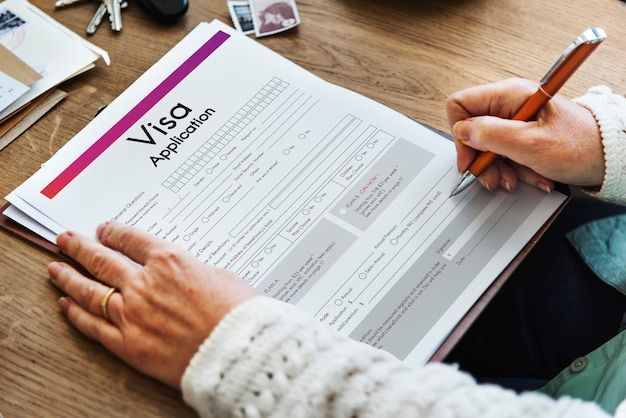
Applying for a visa for the first time can be one of the most nerve-wracking experiences for Nigerian travelers. Whether you are traveling for study, tourism, business, or a family visit, the process can seem overwhelming, full of documents, interviews, and strict requirements. Many first-time applicants also fear rejection, not realizing that successful visa approval mostly depends on proper preparation, honesty, and understanding of what the embassy expects.
If you are a Nigerian applying for a visa for the first time, this guide will walk you through the most important tips and insights you need to know to increase your chances of success.
Understand the Type of Visa You Need
Before starting any visa application, it’s essential to understand which visa category fits your travel purpose. Embassies issue different types of visas, tourist, student, work, business, or transit, and each has specific requirements.
For example, if you’re traveling to study abroad, you’ll need a student visa that requires an admission letter from a recognized institution and proof of funds. On the other hand, a tourist visa typically requires travel itineraries, hotel reservations, and evidence of financial stability.
Choosing the wrong visa category or submitting mismatched documents is one of the most common reasons applications get rejected. Therefore, always confirm your visa type and research its exact requirements from the official embassy website or through a reliable travel agency.
Prepare All Required Documents Early
Visa applications are highly documentation-based, and every detail counts. Missing a single document or submitting inconsistent information can lead to denial. For first-time travelers, it’s advisable to prepare all required documents weeks in advance to avoid last-minute rushes.
Common documents required for most visa applications include:
- A valid international passport (with at least six months before expiration)
- Completed visa application form
- Recent passport-sized photographs
- Proof of financial capacity (bank statements, sponsorship letters, or employment records)
- Flight reservation or travel itinerary
- Hotel booking confirmation or invitation letter from a host
- Proof of ties to Nigeria, such as employment letters, property ownership, or family connections
Organize all documents neatly and double-check that every name, date, and reference number matches across all papers. Even small discrepancies can raise red flags during processing.
Show Strong Ties to Nigeria
One of the biggest fears of many embassies when reviewing Nigerian visa applications is the risk of overstaying or immigration violation. To prove that you intend to return after your trip, you must demonstrate strong ties to Nigeria.
These ties can include your current employment, active business, school enrollment, family responsibilities, or ownership of assets like land and property. Attach supporting evidence, employment letters, tax documents, business registration, or school admission letters, to convince the consular officer that you have solid reasons to come back home.
For instance, if you are employed, include a letter from your employer stating your approved leave period and your expected return to work.
Be Honest During Your Visa Interview
If your visa application requires an interview, honesty is your greatest tool. Many first-time Nigerian applicants make the mistake of exaggerating or hiding facts, thinking it will improve their chances. In reality, visa officers are trained to detect inconsistencies.
Be clear and straightforward about your travel purpose, funding, and plans abroad. If you’re traveling for tourism, explain why you chose your destination, what attractions you plan to visit, and how long you’ll stay. If it’s a study visa, be ready to discuss your course choice, university, and post-graduation plans.
Remember: the interview is not an interrogation but an opportunity for you to convince the officer that you meet all requirements. Confidence, composure, and clear communication go a long way.
Prove Financial Capability
Visa officers want to be sure that you can afford your trip without resorting to illegal work or overstaying. This means you must provide credible financial proof showing you can fund your travel, accommodation, and general expenses abroad.
For example, if you are a student, you’ll need to show a sponsor’s bank statement or scholarship letter that covers tuition and living costs. For tourists or business travelers, your personal bank statement should reflect consistent transactions over the last three to six months, not sudden deposits before your application.
Avoid submitting fake statements or edited bank documents. Many embassies now verify financial records directly with banks, and submitting falsified information could result in a visa ban.
Book Flights and Hotels Smartly
Most embassies require proof of accommodation and flight booking, but that doesn’t mean you need to buy a ticket before your visa is approved. Instead, book a refundable or temporary flight reservation through a trusted travel agency.
For accommodation, reserve a hotel room or Airbnb that allows free cancellation. This shows that you have planned your stay responsibly without losing money if your visa is delayed or denied.
Travel agencies like Oramus Travel Services can help you handle visa-supportive reservations professionally, ensuring all documents are verifiable and embassy-compliant.
Avoid Common Mistakes That Lead to Rejection
As a first-time applicant, you should know the most frequent errors that cause visa denials so you can avoid them. These include:
- Submitting incomplete or inconsistent documents
- Applying for the wrong visa category
- Providing false information or forged documents
- Weak proof of financial capability
- Failing to show strong ties to Nigeria
- Poor communication during interviews
Always review your application carefully before submission. A single mistake can make your travel dream more complicated than necessary.
Seek Guidance from Reputable Travel Agencies
Navigating visa procedures can be stressful, especially for beginners. Working with a trusted travel agency can make the process smoother. Experienced consultants understand embassy requirements and can help you organize documents correctly, prepare for interviews, and increase your chances of success.
However, ensure you only deal with licensed and credible agencies. Avoid individuals who promise guaranteed visas — no agent or connection can influence an embassy’s decision. A genuine agency will guide you based on proper documentation and compliance.
Oramus Travel Services, for example, offers professional visa assistance for Nigerian travelers, helping applicants prepare and submit strong, authentic applications.
Keep Track of Application Timelines
Every embassy has its own visa processing timeline. Some may take a few days, while others can take several weeks. Submitting your application early prevents unnecessary stress and allows time to respond if the embassy requests additional documents.
You can usually track your application status online through the official visa portal. Patience is essential during this stage — avoid repeated emails or calls to the embassy, as this won’t speed up processing.
Learn from Others’ Experiences
Another smart approach for first-time Nigerian travelers is to learn from people who have successfully obtained visas for the same destination. Ask them about their interview questions, document arrangements, and how they prepared financially.
Joining online travel or study abroad communities can also provide practical insights into current embassy trends and requirements. Just ensure that the advice you follow is current and verified, as visa policies can change frequently.
Applying for a visa for the first time as a Nigerian traveler doesn’t have to be intimidating. With proper preparation, honesty, and attention to detail, you can navigate the process confidently and successfully.
Understanding the right visa category, organizing your documents early, proving strong financial and home ties, and maintaining composure during interviews are key steps to approval. Partnering with a trusted travel agency can also simplify your journey, ensuring your documents meet embassy standards.
Remember, a visa application is not just paperwork, it’s your first impression of credibility, responsibility, and readiness to travel abroad.
Fill this FORM for your visa consultation today.

Other Articles

How International Students Can Build Credit and Banking Abroad
Why Community Colleges Abroad Can Be a Smart Starting Point


No Comment! Be the first one.