


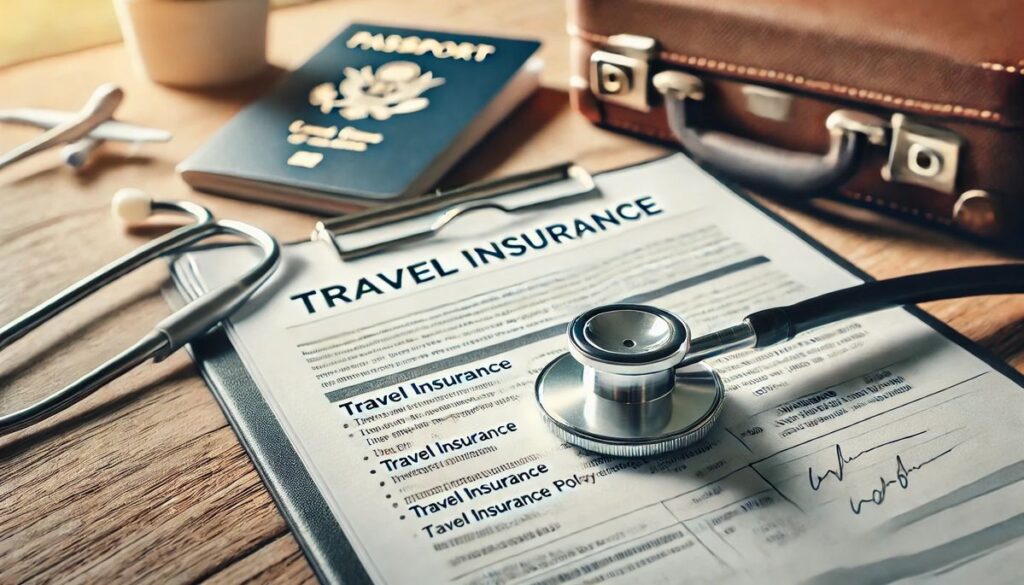
Applying for a visa is often an exciting but stressful process. Whether you are planning to study abroad, attend an international conference, go on vacation, or relocate for work, one requirement that consistently appears in visa applications is travel insurance. Many applicants overlook its importance, treating it as a mere formality, but in reality, travel insurance plays a critical role in both securing your visa and protecting you during your journey.
Understanding why embassies and consulates insist on travel insurance can help you prepare a strong application and avoid costly mistakes. More importantly, it can give you peace of mind, knowing that you are covered against unexpected emergencies while away from home. In this article, we will explore what travel insurance means for visa applications, why it is essential, what it typically covers, and tips on choosing the right policy for your needs.
Why Travel Insurance Matters in Visa Applications
Travel insurance is not just an administrative requirement. Embassies mandate it because it ensures applicants have the financial and logistical support they need in case of emergencies abroad. Many countries, especially in Europe, North America, and parts of Asia, want to confirm that visitors will not become a financial burden on their healthcare or social systems.
For example, the Schengen visa for Europe specifically requires proof of travel insurance with minimum coverage of €30,000 for medical expenses and emergency repatriation. Without this, your application will be incomplete and likely rejected. Having the right insurance demonstrates responsibility, preparedness, and compliance with visa rules.
What Travel Insurance Typically Covers
A comprehensive travel insurance plan for visa purposes often includes the following protections:
Medical Expenses Abroad
Unexpected health issues such as illness, injury, or accidents can happen while traveling. Insurance covers hospitalization, medical treatment, and in some cases, prescriptions.
Emergency Evacuation and Repatriation
If you need to be transported back to your home country due to serious illness, injury, or even in the unfortunate event of death, repatriation costs are covered.
Trip Cancellations or Interruptions
Circumstances like family emergencies or sudden illness may force you to cancel or cut short your trip. Insurance can reimburse part of your expenses.
Lost or Delayed Baggage
Insurance offers compensation if your checked luggage is lost, stolen, or delayed for an extended time.
Personal Liability
Some policies also protect you against claims if you accidentally cause injury to someone or damage property abroad.
Common Visa Categories That Require Insurance
Several visa types typically require travel insurance as part of their application process. Tourist visas, student visas, short-term work visas, and Schengen visas all fall into this category. Even in cases where it is not explicitly mandated, providing proof of insurance can strengthen your application by showing your readiness.
Tips for Choosing the Right Travel Insurance for Visa Applications
Not all travel insurance plans meet visa requirements. To ensure you select the right policy, keep the following in mind:
Check Minimum Coverage Requirements: Some embassies specify exact coverage amounts, such as the Schengen region’s €30,000 medical minimum.
Choose Reputable Providers: Select insurers recognized internationally, as embassies often require policies from well-known or accredited companies.
Match Duration with Visa Validity: Your insurance should cover the entire duration of your stay, including the entry and exit dates.
Understand Exclusions: Be sure to read the fine print to know what is not covered, such as pre-existing medical conditions or high-risk activities.
Keep Documentation Handy: Always carry your insurance certificate and policy details to submit with your application and at the port of entry if requested.
Mistakes to Avoid
Some applicants buy the cheapest plan without checking whether it meets embassy requirements, only to have their visa delayed or denied. Others submit expired or incomplete documents. Avoid these pitfalls by reviewing the embassy guidelines carefully and ensuring your policy meets the stated standards.
Beyond the Visa: Why Travel Insurance is Personally Valuable
While travel insurance is often viewed as a requirement for visa approval, its value extends far beyond the application. Emergencies abroad can be financially draining and emotionally stressful. Having insurance ensures that you are not stranded without support, giving you confidence to focus on your studies, work, or vacation goals.
Travel insurance is an essential part of the visa application process and a safeguard for your journey. It is more than a box to tick; it is a vital layer of protection against unforeseen medical emergencies, trip disruptions, and financial losses. By selecting the right policy and ensuring it meets embassy requirements, you improve your chances of visa approval and enjoy greater peace of mind while traveling.
For Nigerian travelers and students preparing for trips abroad, getting the right travel insurance can be the difference between a smooth application and a delayed journey. Invest in a reliable policy, and you will not only meet visa requirements but also secure yourself against the unexpected.
Fill this form to get visa support today.

Other Articles

How to Book Hotels with Flexible Cancellation Policies
Best Airlines for Business Class Travel from Nigeria





No Comment! Be the first one.