


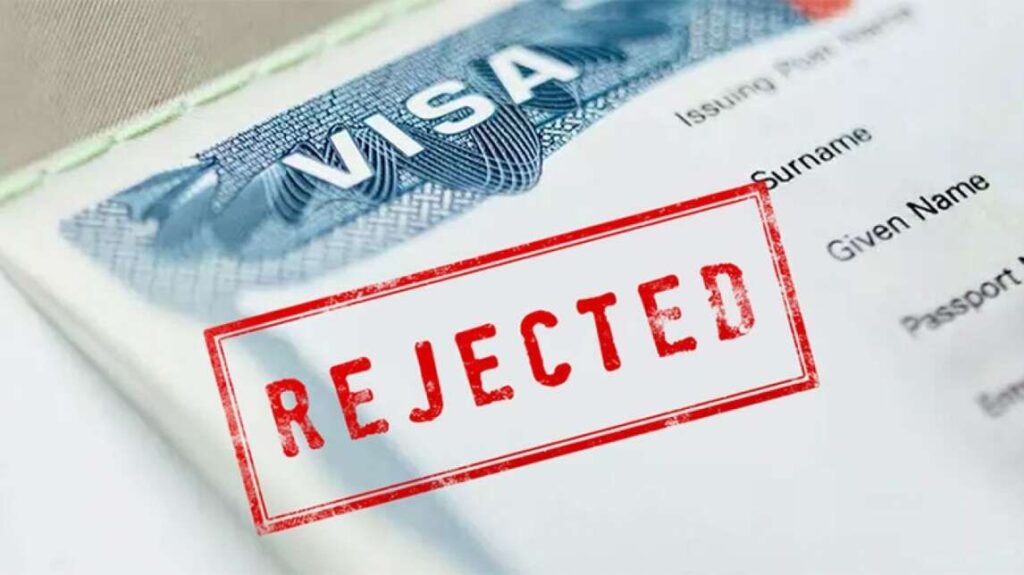
Applying for a visa can be an emotional rollercoaster. From gathering documents, attending interviews, and paying fees, the process requires time, effort, and resources. So, when a visa application is refused, it can feel devastating, especially if you had made travel plans for studies, work, medical visits, conferences, or even vacations. However, a visa refusal does not mean the end of your journey. With the right understanding, strategy, and preparation, you can reapply successfully and increase your chances of approval.
This article provides detailed insights into why visas are refused, what steps to take after a refusal, and how to strengthen your next application.
Common Reasons for Visa Refusals
Understanding why your visa was refused is the first step toward fixing the problem. Some of the most common reasons include:
- Incomplete or incorrect documentation: Missing bank statements, expired passports, or inconsistent details on application forms can quickly lead to a refusal.
- Insufficient financial evidence: If you cannot demonstrate the ability to fund your travel and stay abroad, your application may not be approved.
- Weak ties to home country: Visa officers want assurance that you will return after your visit. Lack of proof of employment, business, or family commitments often leads to suspicion of intent to overstay.
- Failure during the visa interview: Nervousness, inconsistent answers, or being unprepared can negatively affect the outcome.
- Previous travel history concerns: A history of overstaying visas, immigration violations, or lack of prior international travel can also raise red flags.
- Incorrect visa category: Applying under the wrong visa type or misunderstanding the purpose of the visa can result in automatic refusal.
What to Do After a Visa Refusal
The way you respond to a refusal determines how successful you will be in your next attempt. Here are the steps to take:
1. Carefully Review the Refusal Letter
Embassies and consulates usually provide a refusal letter outlining the reasons for denial. This document is very important because it guides you on what went wrong. Do not ignore it—study it thoroughly.
2. Do Not Rush into a Reapplication
Many applicants reapply immediately after a refusal without addressing the issues highlighted in the refusal letter. This often leads to another rejection. Take time to correct mistakes before submitting a new application.
3. Gather Stronger Supporting Evidence
If your refusal was due to weak financial proof, improve your bank statements, provide sponsorship letters, or show better evidence of income. If it was about lack of ties to Nigeria, include employment letters, business ownership documents, or proof of family responsibilities.
4. Seek Professional Guidance
Visa applications can be complex. Consulting with a travel consultant or immigration adviser can help you better understand what the embassy expects and how to present your case effectively.
5. Prepare Better for the Interview
If your refusal was based on a poor interview, ensure you prepare adequately this time. Practice common questions, be confident, and provide consistent answers that match your documents.
6. Check for Appeal or Administrative Review Options
Some countries allow appeals or reviews of visa refusals. For example, Schengen visas may have an appeal process, while others like the UK offer administrative reviews. Explore these options before reapplying.
Tips for Reapplying Successfully
- Be Honest and Transparent: Never falsify documents or misrepresent facts. Embassies verify information, and dishonesty can lead to bans.
- Show Clear Intentions: Clearly explain the purpose of your trip with supporting evidence such as conference registration, admission letters, or medical appointments.
- Strengthen Financial Proof: Keep your bank account active and avoid sudden, unexplained deposits. Consistency is key.
- Demonstrate Strong Home Ties: Provide documents such as employment contracts, proof of property ownership, or family responsibilities that tie you to Nigeria.
- Apply Under the Right Category: Double-check that the visa type you are applying for matches your purpose of travel.
- Stay Patient and Positive: Sometimes, multiple attempts are needed before success. Do not give up after the first refusal.
Learning from Refusal Experiences
Many successful travelers, students, and professionals faced visa refusals at some point in their journey. Instead of seeing it as a permanent setback, treat it as a learning process. Each refusal gives you insights into what embassies look for and how you can strengthen your case.
Final Thoughts
A visa refusal can be disappointing, but it is not the end of your dream to travel abroad. With the right approach, proper documentation, and better preparation, you can turn a refusal into a success story. The key lies in understanding why you were denied, correcting those mistakes, and presenting a stronger case in your next application.
If you have faced a refusal recently and want to improve your chances of approval, professional support can make a big difference.
Fill this FORM to get visa support today.

Other Articles

Top Hotels with Swimming Pools in Nigeria, Dubai, and Cape Town
Tips for Adjusting to Life in a New Country




No Comment! Be the first one.