


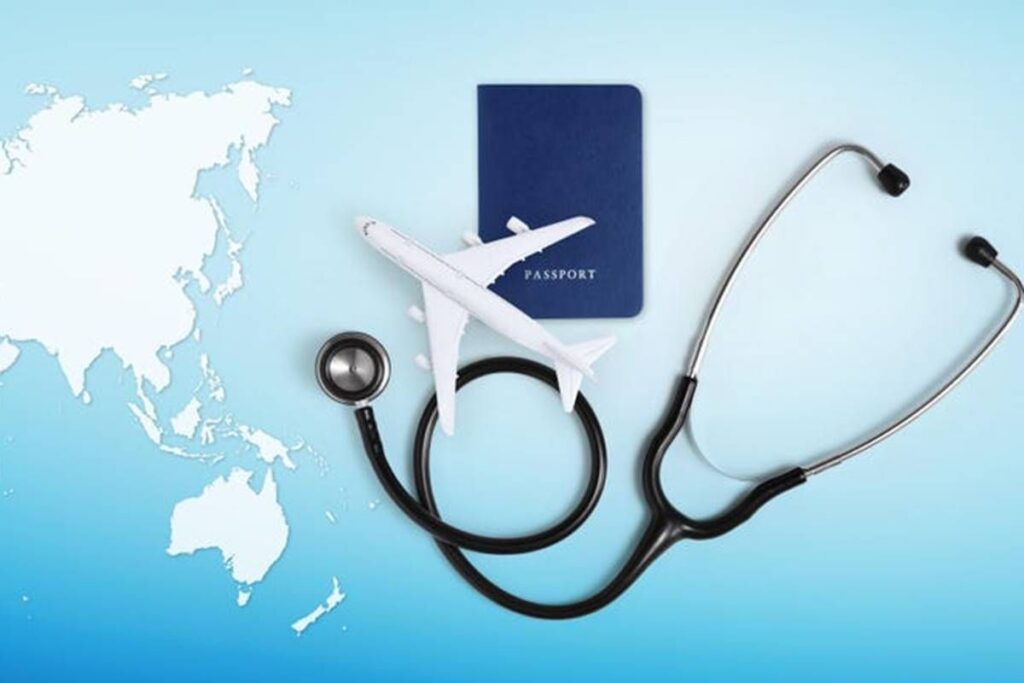
Medical travel, also known as medical tourism, has become an increasingly common reason for people to cross international borders. Many individuals seek advanced medical care, specialized treatments, or affordable healthcare options abroad. Nigerians, in particular, often travel to destinations like India, the United Kingdom, the United States, Germany, South Africa, and Turkey for medical purposes because these countries are known for high-quality healthcare services and advanced facilities.
However, before you can travel for medical reasons, securing the right visa is an essential step. Unlike a standard tourist visa, a medical visa requires additional documentation to prove the necessity of travel. If not handled properly, this can lead to delays or rejections, which can be particularly stressful when urgent medical care is needed. This article provides a step-by-step guide on how to get a visa for medical travel, highlighting requirements, processes, and useful tips.
Understanding a Medical Visa
A medical visa is a type of visa issued to individuals who need to travel abroad to receive medical treatment. This visa differs from a tourist visa because it allows the traveler to stay longer in the destination country, specifically for treatment purposes, and in some cases, it may allow a family member or attendant to accompany the patient. The validity of a medical visa depends on the country you are traveling to and the duration of your treatment.
Countries like India, for instance, offer specialized medical visas to foreign nationals seeking treatment in recognized hospitals. In the United States or European countries, the visa may fall under categories such as a visitor visa but with medical travel as the purpose of visit.
Step-by-Step Guide to Securing a Visa for Medical Travel
1. Identify the Destination and Medical Facility
The first step is to decide on the country and medical facility where you will receive treatment. Do your research to ensure the hospital or clinic is accredited and capable of providing the treatment you need. Most embassies require proof of appointment or an acceptance letter from the medical facility before issuing a medical visa.
2. Obtain a Medical Invitation or Appointment Letter
One of the most critical requirements is an official letter from the hospital or clinic abroad. This letter should outline the nature of your medical condition, the type of treatment required, expected duration of treatment, and confirmation that the facility is ready to admit you. Without this document, your medical visa application may not be processed.
3. Gather Medical Reports from Your Home Country
Embassies usually require medical documentation from your local doctor or hospital confirming your diagnosis and recommending treatment abroad. These medical reports must clearly state why treatment is necessary outside Nigeria and why local facilities cannot provide it adequately.
4. Complete the Visa Application Form
Most countries now have online visa application systems where you will need to fill out a form and specify that your purpose of travel is medical. Be honest and consistent with the information you provide, as discrepancies between your medical reports and your application can cause delays.
5. Prepare Supporting Documents
Along with the application form and medical documents, you will need other standard visa documents such as:
- A valid Nigerian passport with at least six months’ validity.
- Recent passport-sized photographs.
- Proof of financial capacity (bank statements, sponsorship, or insurance coverage).
- Travel itinerary, including flight bookings.
- Proof of accommodation (hospital admission details or hotel bookings if needed).
- In some cases, proof of health insurance covering international medical treatment.
6. Submit Application and Pay Fees
Submit your application online or at the embassy/consulate of the destination country. Medical visas often come with specific processing fees. Make sure to pay the correct fee and keep receipts for reference.
7. Attend an Interview if Required
Some embassies may require you to attend an in-person interview. During this process, you may be asked questions about your medical condition, your chosen hospital, your finances, and your plans after treatment. Be prepared with original documents to back up your claims.
8. Wait for Processing and Approval
Visa processing times vary depending on the country. While some nations like India may process medical visas quickly (within a week), others like the US or UK may take longer. It is advisable to apply well in advance unless the medical case is an emergency.
9. Travel with All Relevant Documentation
Once your visa is approved, make sure to travel with all necessary documents, including your medical reports, appointment letters, financial proofs, and a copy of your visa approval. Immigration officers may ask for these upon arrival.
Tips to Improve Your Chances of Approval
- Be truthful and transparent: Do not hide any information about your medical history or purpose of travel.
- Provide strong financial evidence: Show that you or your sponsor can cover the cost of treatment and living expenses during your stay.
- Choose accredited hospitals: Visa officers trust reputable hospitals more than unverified clinics.
- Apply early: Even if your treatment is not urgent, give yourself enough time to complete all formalities.
- Consider travel insurance: Some countries prefer that travelers have insurance that covers unforeseen medical costs.
Countries Popular for Medical Travel
- India: Affordable treatment, specialized surgeries, and world-class doctors.
- United States: Advanced technology and highly specialized healthcare facilities.
- United Kingdom: Excellent healthcare system and specialized medical services.
- Germany: High-quality hospitals and advanced medical research.
- South Africa: Renowned for certain specialized treatments and relatively close to Nigeria.
- Turkey: Growing hub for affordable and quality medical treatments.
Getting a visa for medical travel requires careful planning, accurate documentation, and early preparation. With the right approach, you can secure approval and access the healthcare services you need abroad. Remember that the key is to demonstrate the necessity of treatment, provide evidence of financial capability, and show that you will return to Nigeria after your medical care is complete.
If you are planning to travel abroad for medical reasons and need help with your visa application, professional guidance can make the process smoother and less stressful.
Fill this FORM to get visa support today.

Other Articles

Budget Planning for Studying Abroad





No Comment! Be the first one.