


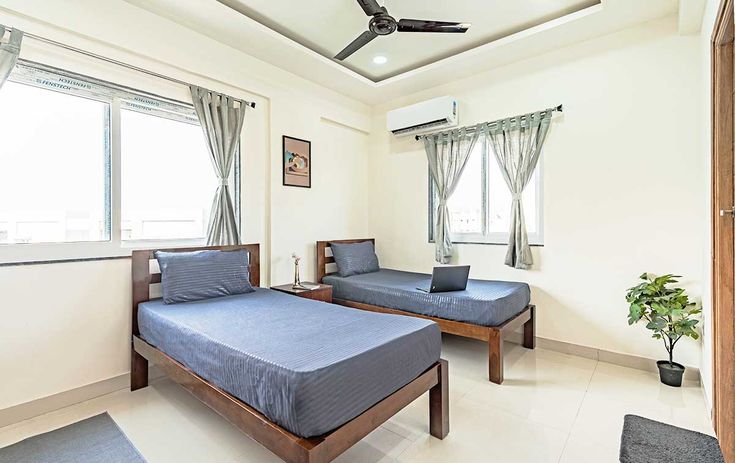
One of the most important steps in preparing to study abroad is arranging accommodation. Where you live can significantly impact your academic success, social experience, and overall well-being while studying in a foreign country. Waiting until you arrive to search for housing can be stressful, expensive, and sometimes risky. Securing your accommodation in advance provides peace of mind and ensures a smoother transition to your new environment.
In this article, we will explore the types of student accommodation available abroad, practical steps to secure housing before departure, and tips for making the process safe, affordable, and comfortable.
Why Securing Accommodation Early Matters
Arriving in a new country without a confirmed place to stay can be overwhelming. Some of the challenges you may face include:
- High short-term rental costs for temporary housing.
- Limited availability of suitable apartments or dorms, especially in popular university cities.
- Risk of scams when searching for accommodation from abroad.
- Stress and anxiety from moving into unfamiliar surroundings.
By arranging your accommodation in advance, you can avoid these problems, focus on settling in, and start your academic journey on the right foot.
Types of Accommodation for Students Abroad
On-Campus Housing
Many universities offer on-campus dormitories or residences for international students. Advantages include:
- Proximity to classes, libraries, and campus facilities.
- Opportunities to socialize and meet other students.
- Sometimes include utilities, internet, and meal plans.
However, on-campus housing can be competitive, so it is crucial to apply as early as possible. Deadlines often open months before the academic session begins, and spaces may fill up quickly.
Off-Campus Apartments
Renting a private apartment or shared flat off-campus provides more independence and privacy. Advantages include:
- Greater control over your living environment.
- Potentially more affordable if shared with roommates.
- Flexible rental terms in some cases.
When choosing off-campus housing, consider location, access to public transportation, safety, and proximity to supermarkets and essential services.
Homestays
Some students prefer living with local families through homestay programs. This option allows you to experience the culture firsthand and improve your language skills. Homestays often include meals and basic utilities, making it a convenient choice for first-time international students.
Short-Term Rentals Before Long-Term Options
If you are unsure about committing to a long-term lease, consider booking temporary accommodation such as hostels, serviced apartments, or Airbnb for your first few weeks. This gives you time to explore neighborhoods, compare prices, and make a more informed decision.
Steps to Secure Accommodation Before Departure
1. Start Early
Begin researching accommodation options as soon as you receive your admission letter. Some universities allow you to apply for on-campus housing immediately, and private rentals may require a few months’ notice.
2. Research Neighborhoods
Safety, transportation, cost of living, and proximity to campus are key factors. Use online maps, student forums, and university resources to identify suitable areas. Speak with alumni or current students to get insider insights.
3. Use Trusted Platforms
When searching online, stick to reputable websites or platforms recommended by your university. For off-campus rentals, verified listings on sites like UniAcco, Student.com, or local university housing portals reduce the risk of scams.
4. Understand Lease Terms
Read rental contracts carefully before signing. Check details such as:
- Monthly rent and payment deadlines
- Security deposit requirements
- Duration of lease and termination conditions
- Included utilities and amenities
Some countries require a lease to be signed in person, but many landlords accept electronic signatures for international students.
5. Verify the Property
If possible, request virtual tours or photos of the property before committing. Some universities offer virtual accommodation services to international students. Avoid making payments until you are confident about the legitimacy of the property.
6. Budget Wisely
Factor in not just rent, but also utility bills, internet, groceries, transport, and other living costs. Allocating a realistic budget ensures you do not face financial stress after arriving.
7. Plan for Arrival
Confirm the move-in date and transportation from the airport to your accommodation. Some universities provide airport pickup services for international students, which can make your first day less stressful.
Tips for a Smooth Accommodation Experience
- Communicate clearly with landlords or university housing offices to confirm all terms.
- Consider sharing accommodation with other students to reduce costs.
- Read reviews and check the reputation of the housing provider.
- Keep copies of all documents, receipts, and emails regarding your accommodation.
- Familiarize yourself with local laws regarding rental agreements, tenant rights, and deposits.
Securing accommodation before arriving abroad is a crucial part of the study abroad planning process. It allows you to start your academic journey with confidence, reduces stress, and ensures that you have a safe, comfortable, and affordable place to live. Whether you choose on-campus housing, off-campus apartments, or homestays, early planning and careful research are key to making the right decision.
By investing time in finding the right accommodation ahead of your departure, you not only ensure a smoother transition but also create an environment that supports your studies, personal growth, and overall experience abroad.
Fill this FORM to start your study abroad journey.

Other Articles

Visa Support for Conference and Event Attendance
How to Use Airline Loyalty Programs to Save on Flights





No Comment! Be the first one.