


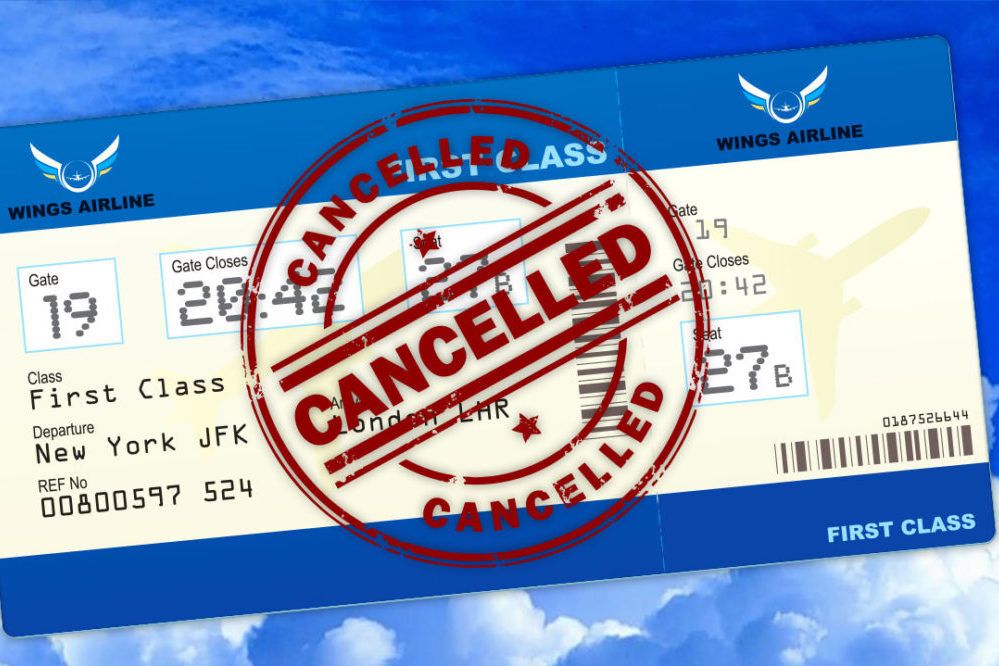
Flight cancellations are frustrating for any traveler, but they can be even more painful when you discover that passengers who paid higher fares were allowed to travel while your cheaper ticket was canceled. Many travelers believe this happens randomly or as a form of punishment for booking cheap fares. In reality, airlines follow structured operational and revenue management policies that influence which tickets are protected during disruptions and which are more likely to be canceled or rebooked.
For Nigerian travelers who often plan trips months ahead to secure affordable fares, understanding why cheaper tickets are sometimes canceled first can help you protect your travel plans and avoid unnecessary losses. This article explains how airline systems work, why cheaper tickets are more vulnerable, and practical steps you can take to reduce your risk.
How Airlines Decide Which Tickets to Cancel
When a flight is disrupted due to aircraft issues, weather conditions, crew shortages, or operational changes, airlines must reduce the number of passengers on that flight. This process is called involuntary rebooking or offloading.
Airlines do not select passengers randomly. They rely on automated systems that consider several factors, including fare class, ticket flexibility, loyalty status, booking channel, and operational priorities.
Why Cheaper Tickets Are More Likely to Be Canceled
Fare Class Priority
Cheaper tickets usually belong to lower fare classes. These fare classes come with more restrictions and fewer protections. Higher fare classes are designed for flexibility and revenue security, so airlines prioritize keeping those passengers on the flight.
When a flight is oversold or canceled, passengers in the lowest fare classes are often the first to be rebooked or moved.
Revenue Protection Strategies
Airlines aim to protect their highest revenue customers. Passengers who paid premium fares or purchased flexible tickets generate more income and often have higher long-term value.
From a business perspective, airlines prefer to inconvenience passengers who paid the least rather than risk losing high-paying customers.
Ticket Flexibility and Change Rules
Cheaper tickets often have strict rules that allow airlines to change schedules more easily. These tickets are less flexible, non refundable, and more restrictive.
Higher priced tickets typically allow free changes or priority rebooking, making them more attractive for airlines to protect during disruptions.
Frequent Flyer and Loyalty Status
Passengers with elite frequent flyer status receive priority during disruptions. Even if they purchased a cheaper ticket, their loyalty status may protect them.
Travelers without status who bought the cheapest fares are often the first affected.
Overbooking Practices
Airlines routinely overbook flights based on historical no show data. When too many passengers show up, airlines must deny boarding to some travelers.
In these situations, passengers with the cheapest fares and no loyalty status are more likely to be bumped.
Third Party Bookings
Tickets purchased through third party platforms sometimes receive lower priority during rebooking, especially if customer contact details are incomplete or delayed.
Direct bookings through airline websites or authorized agents often receive faster support.
Common Scenarios Where Cheap Tickets Get Canceled First
Weather disruptions affecting multiple flights
Aircraft changes to smaller planes
Crew scheduling issues
Airport slot restrictions
Peak travel periods such as holidays
Route cancellations due to low demand
During these situations, airlines act quickly to minimize losses and operational chaos.
How Nigerian Travelers Can Avoid Being Affected
Choose Better Fare Classes When Possible
Avoid the absolute cheapest fare if your travel plans are important. Slightly higher fares often offer better protection and flexibility.
Book Directly with Airlines or Trusted Agents
Direct bookings make it easier for airlines to reach you and rebook you quickly. Trusted travel agents can also advocate on your behalf during disruptions.
Join Airline Loyalty Programs
Most frequent flyer programs are free to join. Even basic membership can offer better protection than having no status at all.
Avoid Peak Travel Dates
Flights during festive seasons, weekends, and public holidays are more likely to be disrupted. Traveling on off peak days reduces risk.
Arrive Early and Check In Promptly
Passengers who check in late are more likely to be affected during overbooking situations. Early check in improves your chances of staying on the flight.
Monitor Your Flight Regularly
Use airline apps to track schedule changes. Early awareness allows you to act quickly if issues arise.
Consider Travel Insurance
Some travel insurance policies cover cancellations and involuntary rebooking costs. This provides financial protection if things go wrong.
What to Do If Your Ticket Is Canceled
If your ticket is canceled, remain calm and act quickly. Contact the airline immediately through official channels. Request rebooking on the next available flight or a partner airline. If the disruption is within airline control, you may be entitled to compensation, accommodation, or meal vouchers.
Having documentation and knowing your rights helps you negotiate effectively.
Airlines do not cancel cheaper tickets out of spite. They operate complex systems designed to protect revenue, maintain loyalty, and minimize disruption. Unfortunately, this means that passengers with the cheapest tickets often face higher risks during flight cancellations and overbooking situations.
For Nigerian travelers, the key to avoiding these issues lies in informed booking decisions. Choosing slightly flexible fares, joining loyalty programs, booking through reliable channels, and staying proactive can significantly reduce your risk of being affected. Travel smarter by understanding how airline systems work, and you will enjoy a smoother and more reliable flying experience.
Fill this FORM to book your flight today.

Other Articles



No Comment! Be the first one.