


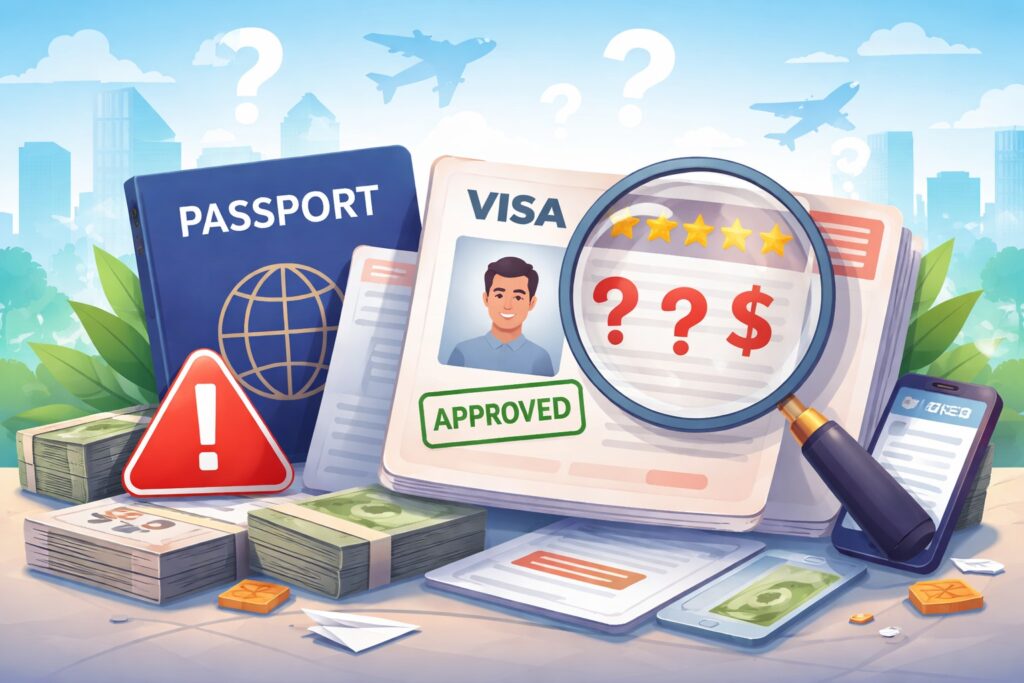
Every year, millions of travelers around the world apply for visas online. In the process, many encounter websites, social media posts, and forums showcasing glowing “success stories” – people who allegedly received their visas quickly, effortlessly, or without following all the usual procedures. At first glance, these stories can feel inspiring. They create a sense of hope and possibility, especially for those anxious about visa approvals. But behind the appealing headlines, these success stories often present a misleading picture.
Understanding the truth behind them is essential for anyone serious about traveling, studying, or working abroad.
The Psychology Behind Success Stories
Humans are naturally drawn to positive narratives. Success stories are emotionally compelling; they offer a sense of reassurance and optimism. For someone facing the stress of a visa application, seeing that “Person X got their visa in 48 hours with zero hassle” feels like a shortcut to success.
However, it is important to recognize the selective nature of these stories. Most online platforms display only the wins, rarely the failures. Every day, countless applicants are rejected, delayed, or caught in bureaucratic red tape. These negative experiences rarely make headlines. This imbalance creates a distorted perception of the visa process, where the rare exceptions are presented as the rule.
The Hidden Complexities of Visa Applications
Visa applications are inherently complex, with requirements varying by country, purpose of travel, and applicant profile. Authorities assess multiple factors including financial stability, travel history, ties to the home country, and the authenticity of supporting documents. Success stories often skip these details. A person claiming to have received a visa quickly may have had an unusually straightforward case, submitted documents months in advance, or already met criteria unknown to the public.
Ignoring these nuances can be risky. Believing that the process is always easy may lead applicants to overlook key requirements, submit incomplete or inaccurate information, or fail to plan for delays. The consequences can include visa denial, bans on reapplication, or wasted financial and emotional resources.
The Role of Paid Agents and “Guarantees”
Many online success stories are connected to visa agents or services that claim to guarantee approvals. While some agents offer genuine support, others exaggerate results to attract clients. A common tactic is to share testimonials from applicants who did happen to receive visas, creating an impression of universal success.
No legitimate agent or service can truly guarantee a visa. Visa decisions are made solely by immigration authorities, and even the most prepared applications can be rejected. Believing in “guaranteed success” can lead travelers to pay exorbitant fees, rely on shortcuts, or submit falsified documents – all of which carry serious legal risks.
Social Media and the Influence of Viral Stories
Platforms like Facebook, Instagram, and TikTok are filled with visa success stories presented as viral content. Videos may highlight flashy elements – travel vlogs, celebratory posts, or testimonials – without showing the actual process, delays, or complications behind the scenes. These posts are often designed to entertain or persuade, rather than inform.
It is crucial to approach such content with critical thinking. Look beyond the headline. Ask whether the story explains the exact steps, provides verifiable details, or acknowledges potential challenges. Authenticity matters more than virality when planning a visa application.
Misleading Metrics and Confirmation Bias
Online success stories often rely on metrics that can mislead. For example, some sites show a high “success rate” based on a small, selective sample of applicants. Others use testimonials to create the illusion of universal approval.
Confirmation bias also plays a role. Applicants desperate for good news are more likely to notice stories that confirm their hopes, while ignoring warnings or failures. This psychological effect reinforces the perception that obtaining a visa is easier than it really is.
Practical Steps to Navigate Visa Applications
To avoid being misled by online success stories, travelers should follow these best practices:
- Use official sources: Consult the embassy or immigration authority website for accurate information on requirements, processing times, and fees.
- Verify agent credibility: Only work with licensed, reputable agents. Be wary of anyone promising guaranteed approval.
- Document preparation: Ensure that all forms, identification, and supporting documents are complete, accurate, and current.
- Plan for delays: Even straightforward applications can take weeks. Avoid last-minute submissions based on anecdotal success stories.
- Seek multiple perspectives: Read both positive and negative experiences from verified travelers. Forums with active moderation can help, but always cross-check with official sources.
Realistic Expectations Lead to Success
Understanding that visa approvals are never guaranteed allows travelers to approach the process with realism and preparation. Online success stories can be motivating, but they should not replace thorough research and careful planning. Expecting a smooth process based solely on someone else’s experience can lead to disappointment.
Instead, focus on what is controllable: providing accurate information, meeting all requirements, and preparing for possible delays. A well-prepared applicant has a far better chance of success than one who relies on anecdotal stories or viral posts.
Conclusion
Online visa success stories are appealing, but they can be dangerously misleading. They often highlight rare cases, omit critical details, and exaggerate the ease of the process. Believing in these stories without question can result in financial loss, visa denial, and unnecessary stress.
Travelers should approach visa applications with caution, diligence, and realistic expectations. Using official sources, preparing thoroughly, and seeking verified advice ensures that applications are based on facts, not myths. By understanding the difference between anecdote and reality, applicants can navigate the visa process with confidence, reduce risks, and increase their chances of a smooth approval.
The next time you see an enticing online visa “success story,” pause and ask yourself: does this reflect the typical experience, or is it just a highlight reel? In the world of visas, preparation and accuracy always outweigh viral claims.
Fill this FORM to get visa support today.

Other Articles

How to Manage Rent and Bills as a Student Abroad
How to Book Hotels When You Arrive Very Late at Night




No Comment! Be the first one.