


Studying abroad is one of the most rewarding experiences any student can pursue. It offers a chance to explore new cultures, access world-class education, and build an international career network. However, before this dream becomes a reality, there is one critical requirement that many universities and immigration offices consider essential, proof of English language proficiency.
English proficiency tests play a major role in determining your eligibility to study, live, and communicate effectively in an English-speaking environment. Whether you’re applying to study in the United States, the United Kingdom, Canada, Australia, or New Zealand, these tests are often a non-negotiable part of the admission and visa process.
In this detailed guide, we’ll explore why English proficiency tests matter, the most popular exams available, how to prepare effectively, and how these tests can influence your study abroad success.
Understanding the Importance of English Proficiency Tests
English is the global language of education, business, and international communication. Most universities abroad teach in English, and they want to ensure that students can follow lectures, participate in discussions, and complete assignments successfully.
An English proficiency test helps institutions assess whether you can communicate, write, and comprehend academic material at the required level. It also assures immigration authorities that you can adapt and integrate smoothly into your new environment.
For Nigerian students and other non-native English speakers, these tests are particularly crucial because they serve as official proof that you can handle the language demands of studying abroad. Even if you studied in an English-speaking country, some universities still require formal test results for consistency in evaluation.
Popular English Proficiency Tests for Study Abroad
Several internationally recognized English tests are accepted by universities worldwide. Each has its own structure, scoring system, and focus. Understanding their differences helps you choose the right one for your study destination.
1. IELTS (International English Language Testing System)
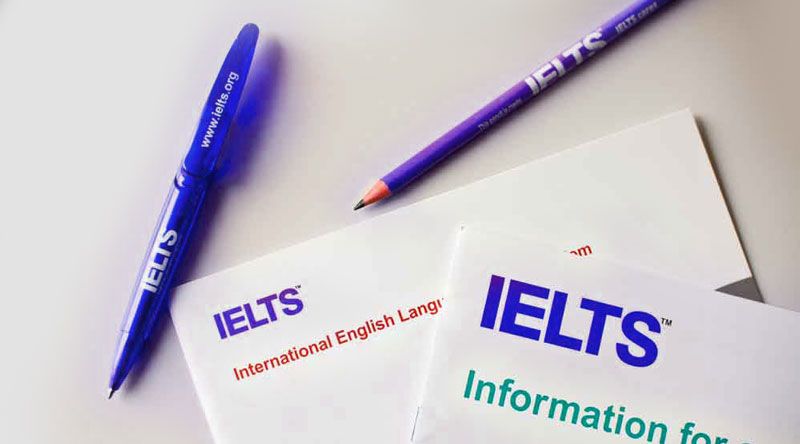
The IELTS is one of the most widely accepted English proficiency tests globally. It is recognized by universities, immigration authorities, and employers in countries such as the UK, Canada, Australia, and New Zealand.
The test is divided into four sections: Listening, Reading, Writing, and Speaking. It assesses how well you can use English in real-life and academic settings. IELTS scores range from 1 (non-user) to 9 (expert user), and most universities require a score between 6.0 and 7.5.
2. TOEFL (Test of English as a Foreign Language)
TOEFL is another popular option, especially for universities in the United States and Canada. It measures academic English proficiency through reading, listening, speaking, and writing components.
The test is internet-based (TOEFL iBT), and scores typically range from 0 to 120. A score of 80–100 is usually sufficient for undergraduate programs, while postgraduate programs may require higher scores.
3. PTE Academic (Pearson Test of English)
The PTE Academic is a computer-based exam that evaluates your English speaking, writing, reading, and listening abilities. It is accepted by many universities in Australia, the UK, the USA, and Canada.
What makes PTE unique is its quick results delivery, often within 48 hours, and its AI-based scoring system, which ensures fairness and consistency.
4. Duolingo English Test
A newer and more flexible option, the Duolingo English Test is taken entirely online and can be completed from home. It is increasingly being accepted by universities in the US, UK, and Europe.
The test is adaptive, meaning the difficulty level changes based on your responses, and results are available in just a few days. It’s ideal for students seeking an affordable and convenient alternative.
5. Cambridge English Exams (C1 Advanced, C2 Proficiency)
These are traditional and highly respected tests often used in the UK and Europe. They focus on in-depth academic and professional English skills and are accepted by over 20,000 institutions worldwide.
Why These Tests Matter Beyond Admission
English proficiency tests do more than just secure your admission. They influence several aspects of your study abroad experience, including:
1. Visa Applications:
Many countries, especially the UK and Australia, require an English test score as part of their student visa process. Without a valid score, your visa application may be delayed or denied.
2. Scholarship Opportunities:
Some scholarships and financial aid programs are awarded to students who achieve outstanding scores on these tests. A high score not only strengthens your university application but can also reduce your tuition costs.
3. Classroom Communication:
Once you arrive abroad, your English proficiency will determine how easily you can follow lectures, engage in group discussions, and complete coursework.
4. Job and Internship Opportunities:
Employers abroad often look for students who can communicate effectively in English. A good test score can also enhance your CV and make you stand out in the global job market.
How to Prepare for English Proficiency Tests
Preparation is key to achieving a competitive score. Here are practical tips for success:
1. Understand the Test Format:
Each test has unique sections and question styles. Start by reviewing the format and familiarizing yourself with the timing and structure.
2. Build Vocabulary and Grammar:
Reading newspapers, journals, and English-language books can help expand your vocabulary. Practice writing essays and speaking fluently to improve your command of the language.
3. Take Practice Tests:
Simulated tests are excellent for identifying your strengths and weaknesses. They also help you manage time effectively during the real exam.
4. Use Official Study Materials:
Many organizations provide official prep materials, such as IELTS Practice Books or TOEFL Official Guides. Using these ensures you’re studying the right content.
5. Enroll in a Language Class or Online Course:
If self-study feels challenging, consider joining a preparation class. Many institutions and online platforms offer training specifically for IELTS, TOEFL, or PTE exams.
6. Practice Speaking with Others:
Engage in English conversations with friends, teachers, or native speakers. The more you speak, the more confident and natural you’ll become.
Common Mistakes Students Make
Many students underestimate these tests, assuming their daily English skills are enough. However, academic English requires precision, comprehension, and structure.
Avoid the following mistakes:
- Ignoring official preparation materials
- Practicing only one skill (like reading) and neglecting others
- Not timing yourself during practice
- Taking the test without understanding the question format
- Waiting until the last minute to study
Consistency and early preparation are key to achieving high scores.
Retaking the Test if Needed
If you don’t get your desired score the first time, don’t be discouraged. Many students retake English proficiency tests to improve their results. Use your initial test as a learning experience, review your weak areas, practice more, and schedule another attempt.
Remember that most test scores are valid for two years, so plan your test date strategically based on your admission and visa timelines.
English proficiency tests play a crucial role in shaping your study abroad journey. They are not just academic requirements but gateways to global opportunities. By demonstrating your ability to communicate effectively in English, you open doors to world-class education, scholarships, and international experiences.
Whether you choose IELTS, TOEFL, PTE, or Duolingo, the key lies in early preparation, consistent practice, and understanding the test format. A strong score reflects not just your language skills but also your determination and readiness to succeed in a global environment.
So, if you’re planning to study abroad, start preparing today. Your test score could be the passport to your dream university and a successful future.
Fill this FORM for your study abroad consultation today.

Other Articles

Visa Tips for Nigerians Planning Multi-Country Trips
How to Choose Safe Hotels When Traveling Abroad





No Comment! Be the first one.