


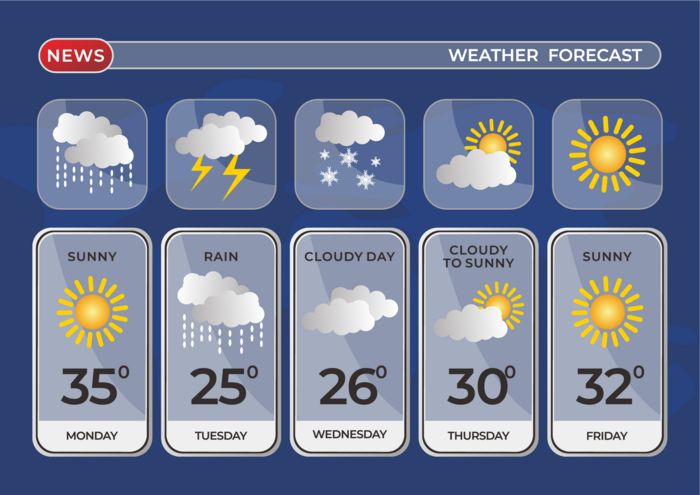
Air travel is one of the fastest and most reliable ways to move across borders, but anyone who has flown frequently knows that weather can be an unpredictable game-changer. For Nigerian travelers, weather patterns both within the country and internationally play a significant role in shaping not only the punctuality of flights but also the prices of tickets. Understanding how climate conditions impact the aviation industry helps travelers make smarter booking decisions, avoid unnecessary expenses, and plan for a smoother journey.
The Connection Between Weather and Flight Pricing
Airlines set ticket prices using complex systems that consider demand, seasonality, and operational costs. Weather patterns affect all three factors in different ways. During peak rainy seasons in Nigeria, such as between June and September, airlines often adjust their schedules to account for weather-related disruptions. These adjustments can sometimes lead to reduced flight frequency, which increases demand on the available seats, causing ticket prices to rise.
International weather conditions also influence pricing. For example, harsh winter storms in Europe or North America can disrupt global flight schedules, pushing Nigerian travelers to pay more for alternative connections. In some cases, extreme weather events like hurricanes or sandstorms in the Middle East can cause rerouting and fuel cost increases, which airlines often pass on to passengers through higher fares.
Seasonal Weather Trends in Nigeria and Their Impact
Nigeria experiences two primary weather seasons: the rainy season and the dry season. Each comes with unique implications for travelers.
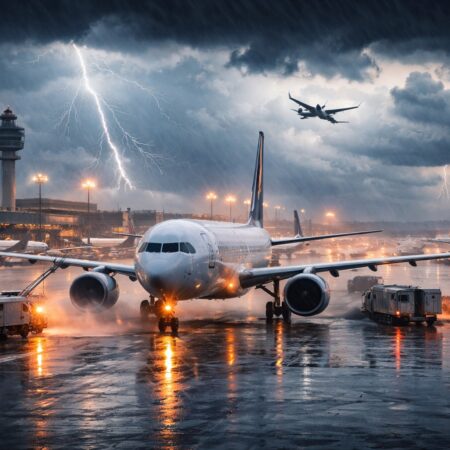
During the rainy season, thunderstorms and heavy rainfall are more common, leading to increased chances of flight delays or cancellations, especially at busy airports like Lagos Murtala Muhammed International Airport and Abuja Nnamdi Azikiwe International Airport. Airlines tend to build buffer times into their schedules, and these operational changes can influence both ticket pricing and the availability of flights.
In the dry season, particularly during the Harmattan period (December to February), dust haze reduces visibility, which can delay takeoffs and landings. Since this season coincides with the festive period, ticket prices are already elevated due to demand. When combined with weather disruptions, travelers may find themselves paying more for flights that are not guaranteed to depart on time.
Global Weather Influences on Nigerian Flights
Weather in Nigeria is not the only factor affecting local flight experiences. Since many Nigerian travelers fly to international destinations through connecting hubs, the weather conditions in those regions also matter. For instance, snowstorms in London or Frankfurt can lead to cancellations that affect Nigerian passengers connecting through Europe. Similarly, extreme heat waves in the Middle East can disrupt schedules in hubs like Dubai or Doha, impacting Nigerian travelers heading to Asia or the Americas.
These ripple effects create uncertainty in flight schedules, often pushing airlines to increase fares during seasons of expected weather disruption. Travelers booking late may face even higher costs as airlines capitalize on limited availability.
The Economics of Weather Delays
Flight delays and cancellations cost airlines millions of dollars each year. Every delay results in additional fuel usage, crew overtime, and passenger care expenses. To offset these costs, airlines sometimes increase fares during periods when weather disruptions are more predictable. For example, airlines anticipate higher risks of delays during the Harmattan in Nigeria or the hurricane season in the Atlantic. As a result, Nigerian travelers booking during these windows may notice inflated prices, even before the disruption occurs.
Practical Tips for Nigerian Travelers
- Book early before peak weather disruptions. Fares are usually lower when purchased in advance, and early bookings allow travelers to secure seats before airlines adjust prices for expected seasonal weather issues.
- Travel with flexible tickets. Since weather can be unpredictable, flexible or refundable tickets give travelers more peace of mind when schedules change.
- Monitor connecting hubs. If your flight connects through Europe, North America, or the Middle East, check the seasonal weather forecasts in those regions. Choosing alternative routes during storm seasons can help avoid disruptions.
- Fly in the mornings. Weather conditions like thunderstorms in Nigeria are often more severe in the afternoons. Morning flights are less likely to face delays.
- Use travel agencies for real-time guidance. Agencies like Oramus Travel Services often have access to updated airline schedules and can provide insights on the safest and most cost-effective options.
Weather is one of the most powerful forces shaping air travel, and for Nigerian travelers, it plays a major role in both ticket prices and the likelihood of delays. From heavy rains and Harmattan haze locally to snowstorms and hurricanes abroad, weather disruptions are not only inconvenient but also costly. By understanding how these patterns influence flight pricing and schedules, travelers can make informed decisions that save money and reduce stress. Booking early, choosing flexible options, and working with experienced travel agents can turn unpredictable skies into manageable travel plans.
Fill this FORM to book your flight today.

Other Articles

Common Interview Questions for Student Visa Applications
How to Get a Visa for Religious Pilgrimages Abroad


No Comment! Be the first one.