


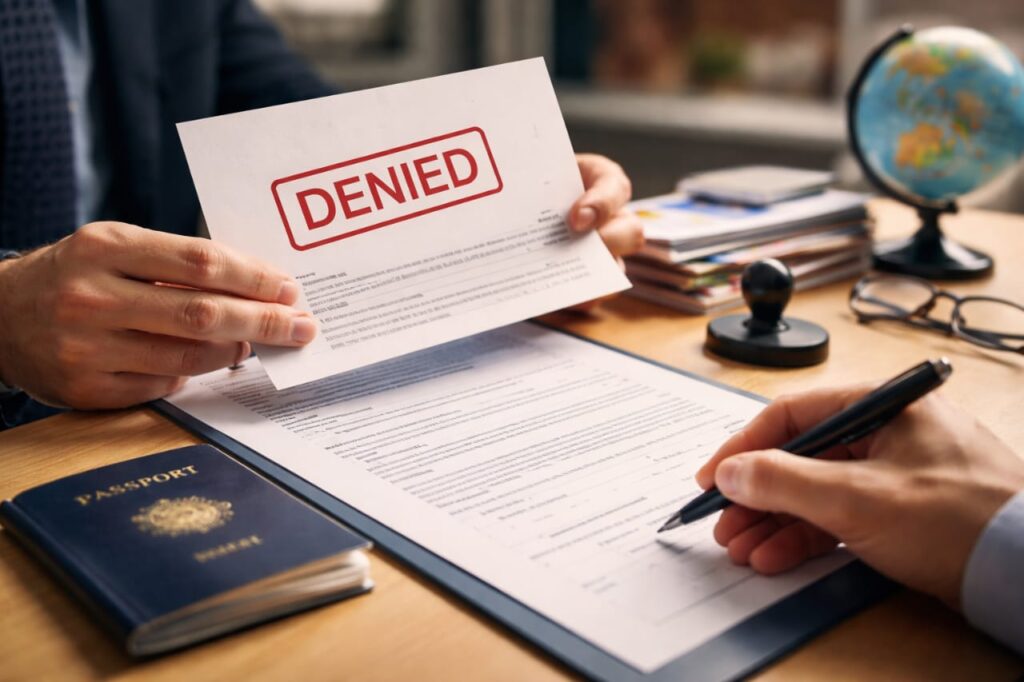
Applying for a visa can be both exciting and stressful. You spend hours gathering documents, filling out forms, and preparing for interviews, all while hoping for a smooth process. So when a visa is denied, it can be a huge disappointment and make you question your travel plans. Visa rejections are more common than most travelers realize, but a denial doesn’t always mean the end of your trip. Many countries allow you to appeal or reapply, and with the right approach, approval is still possible.
In this article, we’ll walk you through how to appeal a visa denial, highlight common mistakes, and share tips to improve your chances next time.
Understanding Your Visa Denial
Before you start an appeal, it’s crucial to understand why your visa was refused. Most visa denials come with a reason, whether verbal during your interview or written in a refusal letter. Common reasons include:
- Incomplete documentation: Missing financial statements, invitation letters, or supporting documents.
- Insufficient ties to home country: The consulate may feel you have a higher chance of overstaying.
- Previous immigration violations: Past overstays, visa violations, or deportations can affect decisions.
- Suspicious travel purpose: The consulate may doubt the legitimacy of your trip.
- Errors on application forms: Mistakes in dates, names, or supporting evidence.
Understanding the specific reason helps you address it properly in your appeal.
Step 1: Review the Denial Letter Carefully
Your visa denial letter is your roadmap. Some key things to look for include:
- The specific clause or law under which your application was rejected.
- Any deadlines for filing an appeal.
- Whether the denial allows for a formal appeal or only a reapplication.
Tip: If the denial letter is unclear, consider consulting with the embassy or a qualified immigration professional to interpret it correctly.
Step 2: Decide Between Appeal and Reapplication
Not all countries offer a formal appeal process. Sometimes, the only option is to reapply. Here’s the difference:
| Option | When to Use | Pros | Cons |
| Appeal | Denial letter allows for contesting the decision | Chance to overturn decision without a full new application | Can be time-consuming and require legal support |
| Reapplication | Formal appeal not permitted or denial was due to fixable issues | Fresh start with corrected documents | You may face higher scrutiny on a second attempt |
Knowing which path applies to your case will save you unnecessary delays.
Step 3: Gather Your Supporting Evidence
Appealing a visa denial is mostly about proving that the concerns raised by the consulate are unfounded. This requires strong supporting evidence. Focus on:
- Financial stability: Bank statements, pay slips, tax returns, or proof of property ownership.
- Travel purpose documentation: Invitations, hotel bookings, event tickets, or travel itineraries.
- Ties to your home country: Employment letters, family responsibilities, enrollment in school, or community involvement.
- Corrected errors: If the original application had mistakes, provide corrected forms or explanations.
Example: If your student visa was denied because the embassy doubted your financial support, include updated bank statements, scholarship letters, or sponsorship documentation.
Step 4: Write a Clear and Concise Appeal Letter
The appeal letter is your chance to explain your case. Keep it professional, polite, and focused. Here’s a structure that works:
- Introduction: State your application type, date of denial, and reference number.
- Acknowledgement: Respectfully acknowledge the decision and mention that you are submitting an appeal.
- Address the denial reason: For each reason listed in the refusal, provide a clear explanation and supporting evidence.
- Conclusion: Politely request reconsideration and provide your contact information.
Tips for your letter:
- Stick to facts, not emotions. Avoid phrases like “this is unfair.”
- Use short paragraphs for readability.
- Attach all supporting documents and reference them in the letter.
- Include a cover page listing the documents submitted.
Step 5: Submit Your Appeal Properly
Every country has its own appeal procedure, which may include:
- Online portal submission
- Email to the consulate or visa office
- Physical submission at the embassy or consulate
Check the consulate’s website for deadlines and specific instructions. Missing the deadline or sending documents incorrectly can result in your appeal being ignored.
Step 6: Prepare for a Possible Interview
Some appeals may require an additional interview. Preparation is key:
- Review your original application and appeal letter thoroughly.
- Be ready to answer questions about financials, travel purpose, and ties to your home country.
- Stay calm and confident, nervousness or defensiveness can harm your case.
Common Mistakes to Avoid
Many visa appeals fail due to avoidable errors. Avoid these:
- Missing deadlines: Always submit appeals within the time frame stated.
- Ignoring the denial reason: Address every concern raised by the consulate.
- Providing vague explanations: Use specific evidence, not general statements.
- Submitting poor-quality documents: Make sure copies are clear and legible.
- Overloading with unnecessary documents: Stick to relevant, strong evidence.
- Being rude or emotional: Always maintain a professional tone.
Practical Tips to Improve Your Chances
- Double-check your original application: Small errors can have a big impact.
- Organize documents clearly: Use folders, labels, and a cover sheet.
- Include a professional translator if needed: All documents in a foreign language should be officially translated.
- Seek expert advice if necessary: Immigration consultants can help you present your case strongly.
- Stay patient: Visa appeals can take weeks or months. Keep communication polite and professional.
Example: If your visa was denied due to concerns about ties to your home country, including a signed employment contract, proof of property ownership, and letters from family can make a strong case.
When to Consider Re applying Instead
Sometimes, reapplying is a better strategy than appealing:
- Your country’s embassy does not allow formal appeals.
- You’ve significantly strengthened your application with new evidence.
- You want to avoid a lengthy appeal process.
In these cases, treat your reapplication as a fresh start. Correct all previous errors, gather stronger supporting documents, and consider consulting with a professional if necessary.
Conclusion
A visa denial can be disappointing, but it doesn’t have to be the end of your travel plans. By carefully reviewing the denial reason, deciding whether to appeal or reapply, and presenting a clear, well-supported case, you can maximize your chances of success. Avoid common mistakes, stay professional, and be patient, these steps can make a real difference.
Remember, preparation is everything. Address the concerns raised, strengthen your documentation, and present your case clearly. With the right approach, your next visa application or appeal could open the door to your dream destination.
Fill this FORM to get visa support today.

Other Articles

How to Prepare for Virtual Interviews With Schools Abroad
How to Handle Refund Issues With Hotel Bookings


No Comment! Be the first one.