


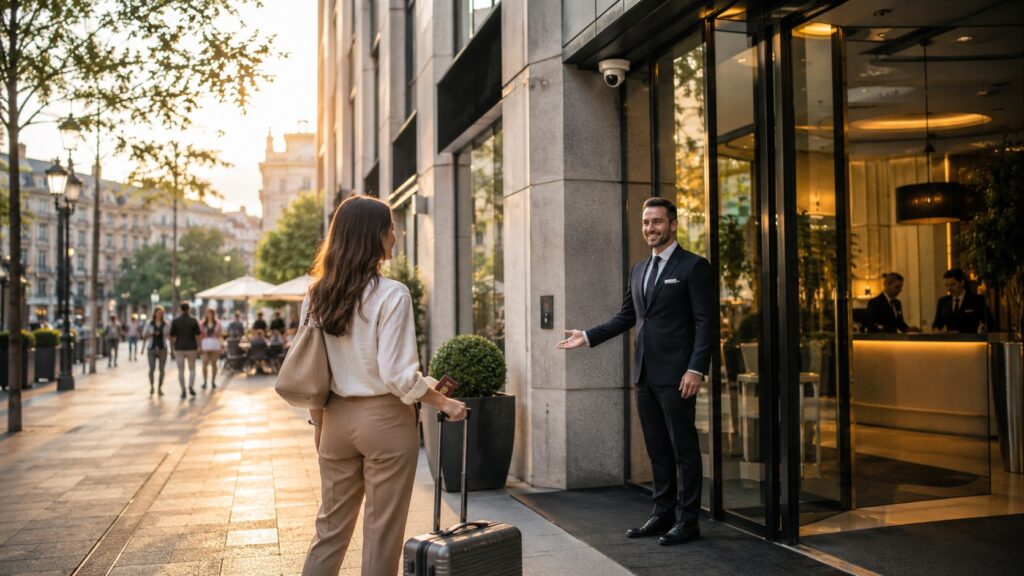
Travelling alone is one of the most liberating experiences a person can have. There is no itinerary to negotiate, no compromises on destinations, and no one to answer to but yourself. Yet beneath this freedom lies a quiet responsibility: choosing where you sleep at night. A wrong hotel choice can turn a dream trip into a stressful ordeal, while the right one can make you feel safe, welcomed, and free to enjoy every moment of your journey. This article walks you through exactly how to identify, vet, and book hotels that prioritise your safety, comfort, and peace of mind, no matter where in the world you are headed.
Why Hotel Safety Deserves Special Attention When Travelling Solo
When you travel with a partner, family, or group, certain risks are naturally shared or reduced simply by numbers. Solo travellers, however, often face heightened vulnerability — unfamiliar surroundings, no one to immediately notice if something goes wrong, and the added visibility that comes with checking in alone. This does not mean solo travel is inherently dangerous; millions of people do it safely every year. It simply means that the planning stage, especially hotel selection, carries more weight. A well-chosen hotel acts as your safe base, the place you return to recharge, store your belongings, and rest without worry.
1. Research the Neighbourhood Before the Hotel Itself
Before falling in love with a hotel’s photos or price, investigate the area it sits in. A beautifully designed property in a poorly lit, isolated, or high-crime area can pose more risk than a modest hotel in a safe, well-trafficked neighbourhood.
- Use Google Maps Street View to examine the surrounding streets, lighting, and foot traffic.
- Search recent local news for the area to check for reports of theft, scams, or safety concerns.
- Check proximity to public transport, hospitals, and police stations — these indicate accessibility during emergencies.
- Read local travel forums such as Reddit’s travel communities or government travel advisory pages, which often mention specific districts to avoid.
2. Read Reviews With a Critical Eye
Reviews are a goldmine of safety information, but only if you know what to look for. Star ratings alone are not enough.
- Filter reviews specifically for keywords like “safe,” “secure,” “solo,” “alone,” “lock,” or “staff.”
- Pay attention to reviews written by other solo travellers, particularly those of the same gender as you, since their concerns often mirror your own.
- Look for recurring complaints. A single negative review may be an isolated incident, but multiple mentions of broken locks, unresponsive staff, or unsafe entryways are red flags.
- Check the date of reviews. A hotel that had safety issues two years ago may have since improved, while a previously well-reviewed hotel might have recently declined in management quality.
3. Verify the Hotel’s Security Features
Once you shortlist a few options, dig into the specific security infrastructure each property offers.
- 24-hour front desk or reception: Ensures help is available at any hour, especially important for late check-ins or emergencies.
- Keycard access to floors and rooms: Limits entry to guests only, reducing the chance of unauthorised individuals wandering the premises.
- In-room safes: Useful for securing passports, cash, and valuables while you are out exploring.
- CCTV coverage: Particularly in hallways, entrances, and parking areas.
- Peepholes and secondary door locks: Small details that make a significant difference in personal security.
- Well-lit corridors and exteriors: Poor lighting is a common but often overlooked safety hazard.
Most reputable hotel websites list these features under an “Amenities” or “Safety” tab. If this information is missing, do not hesitate to contact the hotel directly and ask.
4. Choose Reputable Booking Platforms
Booking through trusted platforms such as Booking.com, Expedia, Agoda, or Hotels.com offers an additional layer of protection. These platforms typically include:
- Verified guest reviews
- Transparent cancellation policies
- Customer service support if disputes arise
- Secure payment processing
Avoid booking through unofficial third-party websites, social media advertisements, or unsolicited emails offering unusually discounted rates. If a deal seems too good to be true, it likely is, and such bookings often come with hidden risks, including properties that do not exist or do not match their advertised description.
5. Confirm the Hotel’s Solo-Traveller Friendliness
Some hotels are simply better suited to solo guests than others. When booking, consider:
- Whether the hotel offers single-occupancy rooms at fair rates, rather than charging double-occupancy prices for one person.
- Whether the property has communal spaces such as lounges or breakfast areas, which can be useful for meeting other travellers if desired.
- Whether staff are responsive and communicative when contacted with questions prior to arrival. A prompt, courteous response is often a good indicator of overall service quality.
6. Prioritise Location Over Price Alone
It can be tempting to choose the cheapest available option, but for solo travellers, location safety should weigh as heavily as cost. A hotel slightly outside your budget but located in a secure, central, well-lit area is often a wiser investment than a bargain property in a remote or poorly monitored location. Consider proximity to:
- Main streets and public transport hubs
- Embassies or consulates, if travelling internationally
- Tourist information centres
- Reputable restaurants and shops that remain open late
7. Communicate Your Solo Status Wisely
Upon booking and check-in, you do not need to broadcast that you are travelling alone, but you also should not feel the need to hide it from hotel staff. Informing the front desk that you are a solo traveller can actually work in your favour, as attentive staff often keep a closer eye on solo guests’ safety and wellbeing.
8. Trust Verified Documentation and Licensing
Before finalising any booking, especially for smaller boutique hotels or guesthouses, verify that the property is properly licensed and registered with local tourism authorities. This information is often available on government tourism websites and adds another layer of assurance regarding legitimacy and accountability.
9. Keep a Backup Plan
Even with thorough research, it is wise to have a backup hotel option in mind, particularly when travelling to unfamiliar destinations. Save the contact details and address of at least one alternative property, along with local emergency numbers, embassy contacts, and a trusted person back home who knows your itinerary.
Final Thoughts
Booking a safe hotel as a solo traveller is not about eliminating all risk — that is impossible in any form of travel. It is about making informed, deliberate choices that significantly reduce vulnerability while maximising comfort and peace of mind. By researching neighbourhoods, scrutinising reviews, verifying security features, and choosing reputable booking platforms, you set yourself up for a trip defined not by anxiety, but by confidence and discovery. Solo travel, done thoughtfully, remains one of the most rewarding ways to see the world.
Fill this FORM to book your hotel today.

Other Articles

Canada Student Travel Checklist Before Leaving Nigeria



No Comment! Be the first one.