


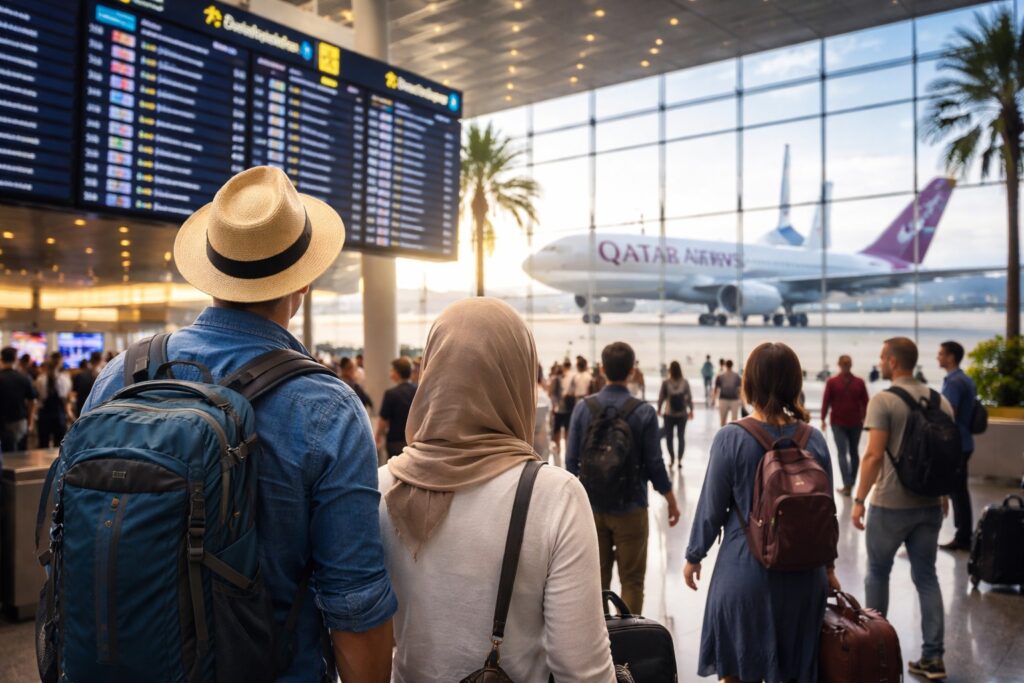
Booking a flight with a stopover can seem like a convenient and cost-effective way to reach your destination, especially when connecting through the Middle East, a region long known for its efficient airports and global airline hubs. But recent developments have raised questions about the safety, reliability, and overall risk of transit flights in this region. From stricter security checks to sudden flight cancellations and travel restrictions, travelers now face a growing list of potential issues. If you’re planning a trip, understanding these risks is essential before booking that seemingly perfect stopover.
1. The Appeal of Middle East Transit Hubs
Airports in cities such as Dubai, Doha, and Abu Dhabi have historically been among the busiest and most efficient in the world. Airlines like Emirates, Qatar Airways, and Etihad offer extensive route networks, state-of-the-art facilities, and competitive fares, making them attractive for travelers seeking convenient connections.
Passengers benefit from modern lounges, quick transit procedures, and frequent flight options. Economically, the Middle East stopover can reduce costs for long-haul flights, with some carriers even offering free or low-cost stopover packages that include hotel stays and sightseeing opportunities.
2. Emerging Risks and Challenges
Despite these benefits, several risks now make transit flights through the Middle East less predictable. Understanding these risks is crucial before you finalize your booking.
a) Heightened Security Checks
Due to regional security concerns, airports have intensified screening procedures for transit passengers. Travelers may experience longer processing times, additional document checks, and in some cases, unexpected questioning by authorities. For passengers with tight connection windows, these delays can result in missed flights or extended layovers.
b) Flight Cancellations and Delays
Geopolitical tensions, weather events, and operational issues can lead to sudden cancellations or rescheduling of flights. While Middle Eastern airlines have a reputation for reliability, recent months have shown that even the most efficient hubs are not immune to disruption. Travelers booking connecting flights may face the risk of stranded layovers, hotel expenses, and the stress of last-minute itinerary changes.
c) Visa and Transit Restrictions
Although many Middle Eastern countries allow visa-free or transit visa entry for short stays, policies can change rapidly. Some countries now require specific visas even for brief stopovers, while others have tightened rules on who can transit through their airports. Travelers from certain nationalities may face stricter scrutiny or additional documentation requirements, which can complicate travel plans unexpectedly.
d) Health and Safety Considerations
Airports are high-traffic zones, and transit flights often mean long waiting periods in crowded terminals. While COVID-19 measures have largely eased, other health risks remain, including seasonal viruses and concerns related to air quality. Travelers with chronic health conditions, or those who are pregnant or immunocompromised, should weigh these risks carefully.
3. Practical Strategies to Minimize Stopover Risks
If you decide a Middle East stopover is unavoidable or advantageous, there are steps you can take to protect yourself and make the journey smoother.
a) Choose Longer Connection Times
Allow extra time between flights, particularly if your layover requires passing through customs or security checks. Even airports known for efficiency can have unexpected delays. A buffer of at least 3–4 hours for international connections is generally recommended.
b) Confirm Visa Requirements in Advance
Check the latest transit visa requirements for your stopover country. Many airline websites provide guidance, but official government sources are more reliable. Ensure you have all necessary documents, including proof of onward travel, hotel bookings if required, and identification.
c) Monitor Flight Status Closely
Stay updated on your flights through airline apps, notifications, and email alerts. Early knowledge of cancellations or rescheduling allows you to adjust your plans proactively, whether it means rebooking a connecting flight or arranging accommodations for an unexpected overnight stay.
d) Purchase Flexible Tickets
Where possible, select tickets with flexible change or cancellation policies. While these may cost more initially, the financial and logistical protection they offer during unpredictable events can save significant stress and expense.
e) Travel Insurance
Comprehensive travel insurance that covers cancellations, delays, and medical emergencies is no longer optional. Policies specifically designed for multi-leg international trips provide additional protection for stopovers and layovers, including hotel accommodation in case of extended delays.
4. Alternatives to Middle East Stopovers
For travelers concerned about the potential risks, exploring alternative routes is a viable option. Consider the following:
a) Direct Flights
Though often more expensive, non-stop flights eliminate the uncertainties of transit entirely. They reduce exposure to additional security checks, visa complications, and the risk of missing connections.
b) European or Asian Hubs
Airlines based in Europe or East Asia sometimes offer competitive routes that bypass the Middle East. Cities like Istanbul, Frankfurt, Singapore, and Bangkok serve as efficient connecting points for travelers, often with less risk of sudden policy changes or geopolitical complications.
c) Multiple Short-Haul Segments
In some cases, booking shorter flights between regional airports rather than a long-haul stopover can provide greater flexibility. While this approach requires careful coordination, it allows travelers to avoid high-risk hubs while still managing costs.
5. Weighing Convenience Against Risk
Ultimately, the decision to book a Middle East stopover comes down to balancing convenience, cost, and risk. These hubs offer speed, luxury, and affordability, but recent developments make them less predictable than before.
Travelers must consider:
- Tight schedules: Are you comfortable risking missed connections due to longer security checks?
- Travel documentation: Can you meet changing visa and entry requirements without hassle?
- Flexibility and contingency: Do you have backup plans in case of cancellations, delays, or health concerns?
By asking these questions and planning carefully, travelers can reduce the likelihood of disruptions while still benefiting from the region’s central location and airline networks.
6. Expert Advice for Transit Travelers
Industry experts recommend the following for those considering Middle East stopovers:
- Avoid extremely short layovers. Even a 1–2 hour connection can be risky in busy hubs.
- Keep essential items in carry-on luggage. Delays or lost checked baggage can create major inconveniences during short transits.
- Be aware of local rules and customs. Some airports have strict regulations about electronic devices, dress codes, or public behavior.
- Track geopolitical and health updates. Situations can change rapidly, and staying informed is key to avoiding complications.
Bottom Line
Booking a transit flight through the Middle East is no longer a straightforward choice. The region’s airports remain world-class, and airlines continue to provide high-quality services, but travelers must navigate a growing array of risks. From heightened security and visa complications to flight delays and health concerns, the unpredictability of stopovers has increased.
For some, the cost savings and convenience will still make these routes appealing. For others, direct flights or alternative hubs offer a safer, more predictable travel experience. Ultimately, the decision should be informed, cautious, and backed by contingency planning.
Transit travel is always a balancing act between efficiency and risk. By understanding the potential pitfalls and preparing adequately, travelers can still make Middle East stopovers work, but only if they plan with foresight, flexibility, and awareness of the changing landscape.
Fill this FORM to book your flight today.
FORM




No Comment! Be the first one.