


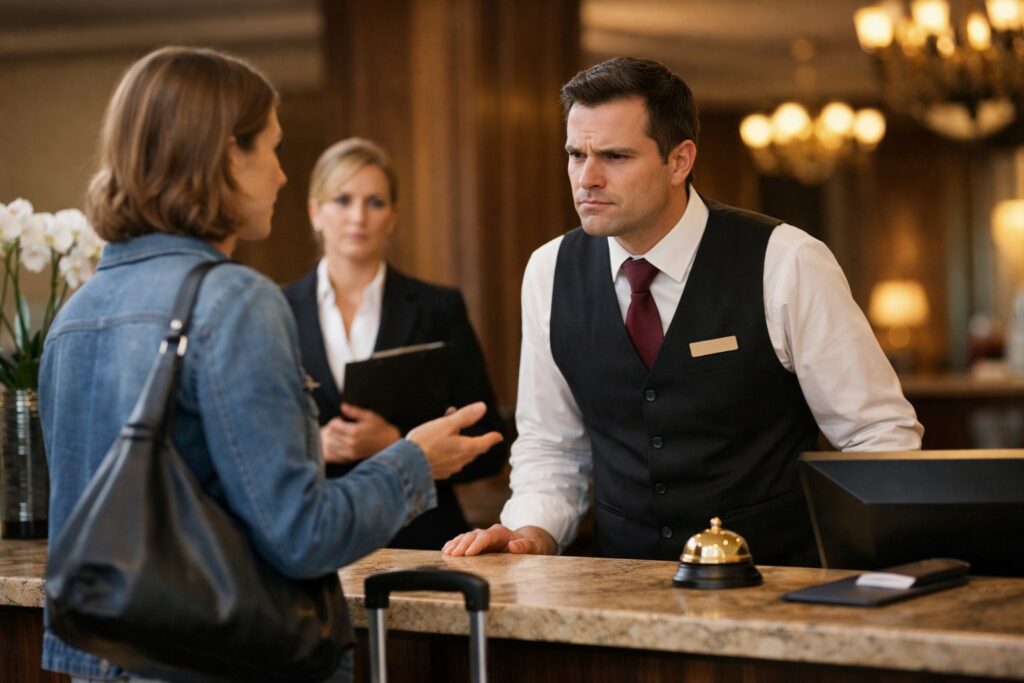
Traveling should be a joyful escape from daily routines, a time to relax, explore, and experience new cultures. Yet, even in the most luxurious hotels, travelers sometimes encounter rude or unhelpful staff. These situations can quickly turn a pleasant trip into a stressful experience, leaving guests frustrated or upset. How you respond to such behavior can make all the difference, not just for your mood but for the outcome of the situation. Remaining calm and composed allows you to resolve issues efficiently, protect your vacation experience, and even turn a negative encounter into a productive solution.
This article provides practical, professional, and effective strategies to handle rude hotel staff without losing your composure.
1. Stay Calm and Maintain Your Composure
When faced with rudeness, the first step is to remain calm. Your initial reaction may be anger or defensiveness, but responding emotionally often escalates the situation. Take a deep breath, pause, and remind yourself that the staff’s behavior reflects on them, not you.
Maintaining a calm demeanor helps you think clearly and communicate effectively. Avoid raising your voice, using sarcasm, or making personal attacks. A composed guest often receives better attention than one who reacts angrily, and your professional approach increases the likelihood of a positive resolution.
2. Assess the Situation Objectively
Before responding, take a moment to analyze what happened. Was the staff member intentionally rude, or could there have been a misunderstanding? Miscommunication due to language barriers, long working hours, or hotel policies can sometimes appear as rudeness.
Ask yourself: Is this an isolated incident or part of a pattern? Understanding the context allows you to respond proportionately, addressing the issue without overreacting or creating unnecessary tension.
3. Use Polite and Clear Communication
Address the situation politely but assertively. Use clear, concise language to explain your concern. For example, instead of saying, “You are being rude,” you might say, “I feel that my request was not addressed properly. Could you please assist me?”
Polite communication shows respect and reduces defensiveness in the other person. Avoid passive-aggressive comments, and focus on the problem, not the person. This approach increases the likelihood that staff will respond professionally and help resolve the issue quickly.
4. Choose the Right Medium
Sometimes, face-to-face confrontation is unavoidable, but consider other options if possible. Written communication, such as a note to the front desk or an email to hotel management, can be effective for expressing concerns without escalating conflict.
Documenting the incident in writing also provides a record if you need to escalate the issue later. Whether speaking directly or writing, maintain professionalism and avoid exaggeration. A calm, factual account is more compelling than an emotional complaint.
5. Seek Support from Management
If a staff member continues to be rude or unhelpful, escalate the matter to hotel management. Request a private meeting or call the front desk manager to explain the situation calmly.
Management teams are trained to handle guest complaints and are more likely to intervene appropriately. Provide specific examples of the behavior and how it affected your stay. Staying composed during this process strengthens your case and makes it easier for management to take action.
6. Set Boundaries and Know Your Rights
It is important to be assertive without being aggressive. Clearly state what resolution you are seeking, whether it is a corrected service, an apology, or compensation.
Know the hotel’s policies and your consumer rights. Many hotels have guest service charters or complaint procedures. Understanding these guidelines helps you communicate your expectations clearly and ensures you are treated fairly.
7. Practice Empathy and Perspective
While rudeness is never justified, considering the staff member’s perspective can reduce personal frustration. Hotels are high-pressure environments, with staff working long hours and handling multiple guest requests simultaneously.
Empathy does not excuse poor behavior, but it can prevent the situation from escalating and help you respond with patience. Sometimes, a polite acknowledgment of the staff’s workload can ease tension: “I understand it’s busy right now, but I need assistance with…”
8. Avoid Public Confrontations
Confronting staff in front of other guests can create embarrassment and tension, making the situation worse. Always aim for private conversations to resolve issues.
Public arguments rarely produce productive outcomes and can harm your reputation as a guest. Keep interactions discreet and professional, which will likely encourage the staff to address your concern seriously.
9. Document the Experience
Keeping a record of incidents, including dates, times, and details of interactions, is useful for formal complaints or follow-up. Photos or written notes can support your case if you later contact management or corporate offices.
Documentation demonstrates that you approached the situation responsibly and professionally, rather than reacting emotionally. It also increases the likelihood that the hotel will take corrective action to prevent similar issues in the future.
10. Focus on Solutions, Not Revenge
The goal is to resolve the problem efficiently, not to “get back” at staff. Identify what you need for your stay to continue comfortably. This could include a room change, expedited service, or clarification of hotel policies.
By concentrating on solutions rather than blame, you maintain control over the situation and protect your travel experience. Staff are more willing to cooperate when guests focus on resolution rather than confrontation.
11. Know When to Walk Away
Sometimes, despite your best efforts, the situation may not improve. If the rude behavior continues and management is unhelpful, consider whether it is worth further confrontation.
Focus on enjoying the rest of your stay or, if necessary, request a transfer to another hotel. Protecting your own peace of mind is more important than proving a point. Walking away calmly demonstrates maturity and emotional intelligence.
12. Share Feedback Constructively
After your stay, consider leaving a constructive review for the hotel. Highlight both positive and negative experiences, but remain professional and factual. Constructive feedback helps the hotel identify areas for improvement without resorting to personal attacks.
Many hotels take reviews seriously and use them to train staff or adjust policies. Your calm, detailed feedback contributes to better service for future guests.
Conclusion
Encountering rude hotel staff can be a frustrating experience, but it does not have to ruin your trip. By staying calm, communicating clearly, documenting incidents, and seeking management support, you can address issues professionally and effectively.
Remember, how you handle the situation often determines the outcome more than the staff’s behavior itself. Focus on solutions, maintain empathy, and protect your peace of mind. Traveling is about enjoying experiences and creating memories, and a composed approach ensures that rude encounters remain minor bumps in an otherwise memorable journey.
Handling rudeness with patience and professionalism not only improves your travel experience but also sets a standard for respectful interactions. You leave the situation with dignity intact, and often, a resolution that restores your enjoyment of your trip.
Fill this FORM to book your hotel today.

Other Articles

No Comment! Be the first one.