


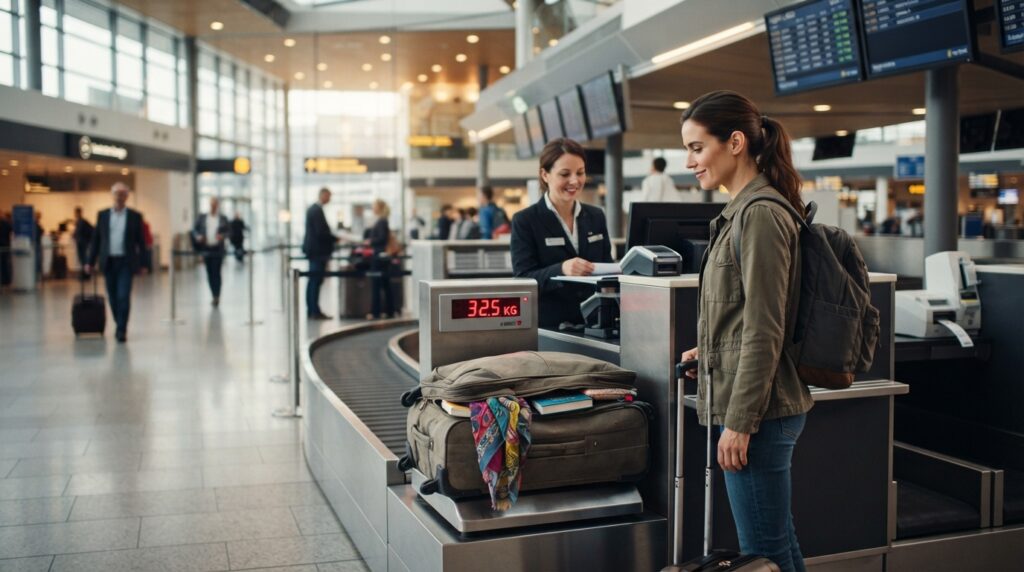
You arrive at the airport feeling prepared, bags packed, documents in hand, ready to begin your journey. Then comes the moment your suitcase lands on the check-in scale, and the airline staff member’s expression shifts. Overweight. Excess fee applies. In an instant, your calm morning turns into a stressful scramble, repacking on the spot or paying a fee that can rival the cost of your flight itself. Baggage mistakes are among the most common, and most avoidable, travel errors people make. Understanding exactly where travellers go wrong can save you money, time, and a great deal of embarrassment.
1. Assuming All Airlines Have the Same Baggage Rules
One of the most frequent and costly mistakes travellers make is assuming that baggage allowances are universally standardised across all airlines. In reality, weight limits, size restrictions, and the number of complimentary bags allowed vary significantly from one airline to another, and even between different fare classes within the same airline. A budget carrier may allow only a small personal item at no additional cost, while a full-service airline on the same route might include a generous checked baggage allowance as standard. Always check the specific baggage policy for your exact airline and fare type before packing, rather than relying on assumptions based on previous trips with different carriers.
2. Overlooking Differences Between Cabin and Checked Baggage Limits
Many travellers focus heavily on their checked luggage while overlooking the equally important restrictions placed on cabin, or carry-on, baggage. Airlines typically enforce strict size and weight limits for cabin bags, and exceeding these limits at the boarding gate can result in your bag being forcibly checked in, often at a considerably higher fee than if it had been checked in advance. It is essential to measure and weigh your carry-on bag before arriving at the airport, taking into account that some airlines also impose separate restrictions on personal items such as handbags or laptop bags carried in addition to your main cabin luggage.
3. Ignoring Weight Limits Per Bag Versus Total Weight Allowance
A particularly costly misunderstanding involves the difference between a total weight allowance and a per-bag weight limit. Some airlines calculate your baggage allowance as a combined total across multiple bags, while others strictly enforce a maximum weight for each individual piece of luggage, regardless of how many bags you are checking in overall. This means that even if your combined luggage falls within an acceptable overall weight, a single overweight bag can still incur a fee if the airline enforces per-bag limits. Always confirm which system your airline uses and distribute weight accordingly across your bags to avoid unnecessary charges.
4. Forgetting That Connecting Flights May Have Different Allowances
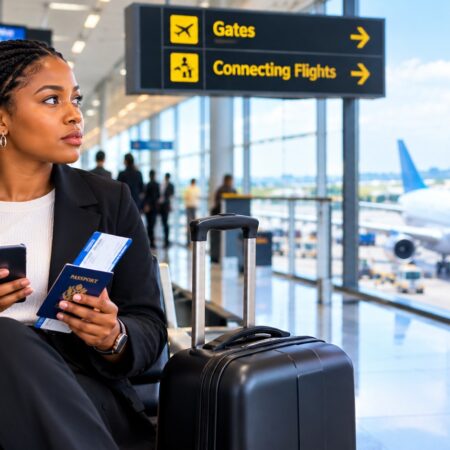
When booking multi-leg journeys involving connecting flights, particularly with different airlines or across different alliances, travellers often mistakenly assume their baggage allowance remains consistent throughout the entire journey. In reality, each segment of your trip may be governed by the specific baggage policy of the operating airline for that leg, which can differ significantly from the policy of your originating carrier. This is especially common on itineraries combining a long-haul international flight with a regional or domestic connection, where the domestic carrier may enforce considerably stricter baggage limits than what was permitted on the international leg.
5. Not Accounting for Excess Baggage Fees in Advance
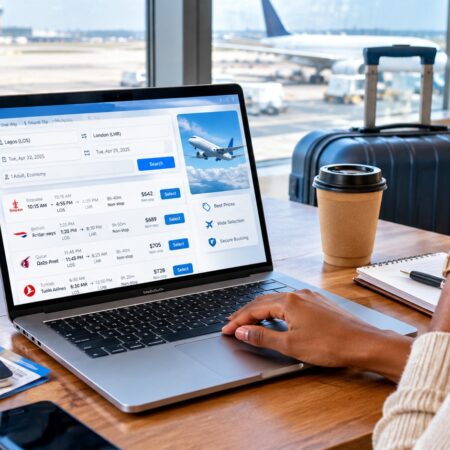
Excess baggage fees charged at the airport counter are almost always significantly higher than fees paid in advance through pre-booking. Many airlines offer travellers the option to purchase additional baggage allowance online during the booking process or shortly before departure, often at a fraction of the cost charged for exceeding limits unexpectedly at check-in. If you know in advance that your luggage is likely to exceed the standard allowance, whether due to sporting equipment, extended stays, or bulk purchases, it is almost always more economical to arrange and pay for this additional allowance ahead of time rather than risk a costly surprise at the airport.
6. Misunderstanding Restricted and Prohibited Items
Baggage mistakes are not limited to weight and size alone. Many travellers unknowingly pack items that are restricted or entirely prohibited in either checked or carry-on luggage, leading to confiscation, delays, or additional security screening. Common examples include liquids exceeding permitted volumes in carry-on bags, certain electronics or power banks that must be carried in the cabin rather than checked, and items such as sharp objects or specific sporting equipment that require special handling. Reviewing your airline’s and destination country’s specific restricted items list before packing can prevent unnecessary complications at security checkpoints.
7. Failing to Weigh Luggage Before Leaving Home
A remarkably simple yet frequently overlooked step is weighing your luggage before ever leaving for the airport. Many travellers estimate their bag’s weight based on visual judgement alone, only to discover at check-in that it exceeds the allowed limit by several kilograms. Investing in an inexpensive portable luggage scale allows you to verify your bag’s weight accurately at home, giving you the opportunity to remove or redistribute items calmly, rather than making rushed decisions under pressure at a crowded check-in counter.
8. Not Considering Special Item Allowances and Fees
Special items such as sporting equipment, musical instruments, or medical devices often fall under separate baggage categories with their own specific rules and associated fees. Travellers frequently assume these items fall under standard baggage allowances, only to discover additional charges or handling requirements upon arrival at the airport. If you are travelling with any specialised equipment, contact your airline directly in advance to confirm exactly how these items will be classified, what fees may apply, and whether any special packaging or documentation is required.
9. Overlooking Loyalty Status and Credit Card Benefits
Frequent flyers and travellers holding certain premium credit cards may be entitled to additional complimentary baggage allowances that are often overlooked simply because they were not properly registered or applied during the booking process. Before assuming you must pay for extra baggage, check whether your airline loyalty status, credit card benefits, or travel insurance policy includes any provisions for increased baggage allowance, as taking advantage of these existing benefits can result in meaningful savings without any additional cost.
Conclusion
Baggage allowance mistakes are among the most preventable, yet most financially painful, errors travellers make at the airport. By understanding airline-specific policies, distinguishing between cabin and checked baggage rules, accounting for connecting flight variations, and weighing luggage carefully before departure, travellers can avoid unnecessary stress and unexpected fees entirely. A small amount of preparation and research before your trip can make the difference between a smooth check-in experience and a costly, last-minute scramble at the airport counter.
Fill this FORM to book your flight today.
FORM

Other Articles

Why Some Airlines Charge Differently for the Same Route
Boutique Hotels vs Chain Hotels: What’s the Real Difference?


No Comment! Be the first one.