


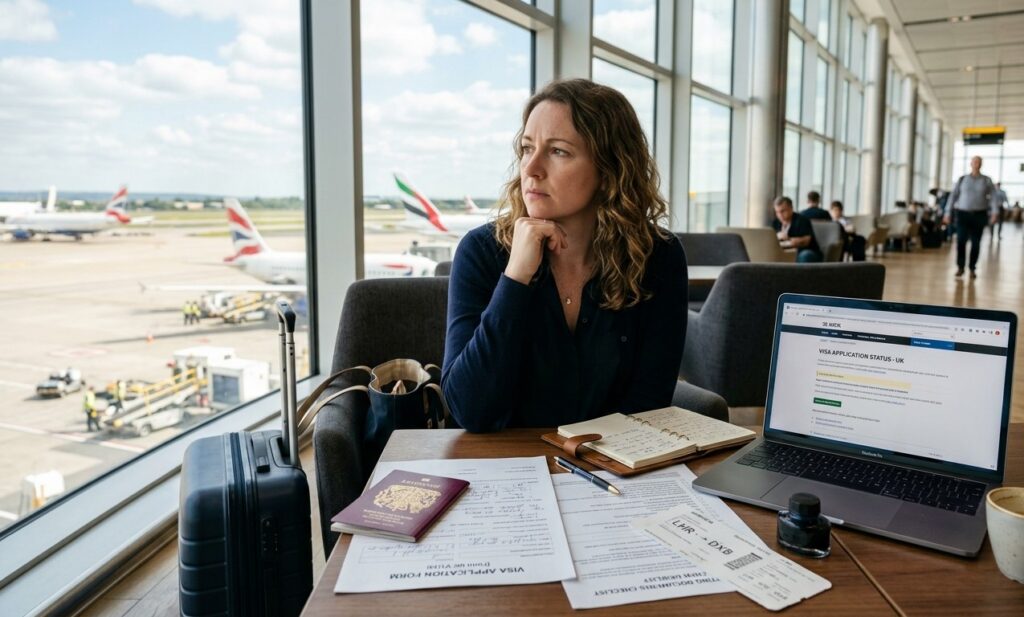
Travel has always carried a mix of excitement and anxiety, but in today’s world, the stakes are higher than ever. Global tensions, regional conflicts, and shifting diplomatic relations are making visa applications more complicated and unpredictable. For travelers, this means that the rules you once knew may no longer apply, and minor oversights can lead to delays or outright denials. Whether you’re planning a business trip, studying abroad, or visiting family, understanding the new dynamics is crucial.
In this article, we will explore practical strategies and precautionary measures to increase your chances of a successful visa application during uncertain times.
Understanding the New Reality
Global tension affects visa processes in multiple ways. Countries under diplomatic strain often tighten entry requirements, increase scrutiny of applicants, and extend processing times. Even nations previously known for streamlined procedures may introduce extra checks. For instance, additional documentation, interviews, and proof of financial stability or intent to return have become common.
Understanding these shifts is the first step. Monitor official embassy websites and trusted news outlets for updates. Social media and travel forums may offer anecdotal experiences, but always prioritize official sources, as misinformation can lead to wasted time or unnecessary complications.
Start Your Application Early
When tensions rise globally, visa processing slows down. Embassies may have reduced staff, increased security checks, or limited appointment availability. Starting early is no longer optional—it’s essential.
Aim to submit your application at least two to three months ahead of your intended travel date. For complex visas, such as long-term student or work permits, consider preparing six months in advance. Early application allows time to address any unexpected requirements or delays without compromising your travel plans.
Know the Specific Requirements
One-size-fits-all approaches no longer work. Each country may adjust its criteria depending on political climate, security concerns, or international relations.
Key steps include:
- Check for new documentation requirements: Some countries now ask for additional forms like proof of health coverage, detailed itineraries, or letters explaining travel purpose.
- Understand the interview process: Many embassies are adding stricter interviews or background checks. Prepare to answer detailed questions about your travel history, ties to your home country, and intentions abroad.
- Comply with updated biometrics: Fingerprints, facial recognition, and even digital footprint checks are becoming standard in some regions.
A clear understanding of what’s required minimizes the risk of rejection or requests for extra documentation.
Be Transparent and Consistent
In times of heightened scrutiny, transparency is vital. Inconsistencies in your application or interview responses can lead to denial.
- Provide accurate personal, financial, and professional information.
- Maintain consistency across documents such as passports, bank statements, and letters of invitation.
- Avoid vague statements—clarity in purpose, duration, and plans helps embassies assess your intentions confidently.
Remember, being honest doesn’t just protect you—it demonstrates reliability and strengthens your case.
Strengthen Your Ties to Home
Visa officers want assurance that travelers will return home. During global tension, this concern is amplified. Applicants with strong local ties are more likely to receive approval.
Examples of strong ties include:
- Employment contracts or business ownership documents.
- Proof of family responsibilities, such as children or dependents.
- Property ownership, leases, or other long-term commitments.
If your situation changes, like starting a new job or selling property, update your documentation accordingly to reflect ongoing connections.
Show Financial Stability
Financial proof is increasingly scrutinized during tense periods. Embassies want to be sure that applicants can support themselves and will not overstay due to financial constraints.
Tips for presenting financial stability:
- Provide recent bank statements covering three to six months.
- Include proof of income, savings, or investments.
- Consider obtaining a letter from your bank confirming account stability and availability of funds.
Applicants who demonstrate clear financial independence reduce the likelihood of suspicion or additional questioning.
Prepare for Health and Security Checks
Global tension often coincides with stricter health and security protocols. Be prepared to comply with any medical examinations, vaccinations, or screenings requested by the embassy.
Key considerations:
- Some countries may require COVID-19 vaccination certificates or other immunizations.
- Background checks may include criminal record verification or international security screenings.
- Certain regions might request travel insurance with specific coverage limits to mitigate risks.
Understanding these requirements early prevents last-minute complications.
Use Professional Assistance if Necessary
Navigating complex visa rules can be overwhelming, especially during politically sensitive times. Professional visa services or legal advisors can help streamline your application and provide guidance tailored to your situation.
- Choose reputable agencies with verified success records.
- Avoid “guaranteed visa” promises—no one can legally promise approval.
- Use agencies for document review, interview preparation, and up-to-date procedural guidance.
Even partial assistance can prevent errors that lead to delays or rejections.
Stay Updated on Travel Advisories
Global tensions can change rapidly. Governments frequently issue travel advisories that impact visa validity or entry conditions.
- Subscribe to alerts from official foreign ministries or embassy newsletters.
- Monitor news about political developments, conflicts, or sanctions that may affect your destination.
- Check airline and airport policies, as some transit routes may be restricted or closed.
Being informed allows you to make contingency plans, including postponing travel or choosing alternate routes.
Keep Copies and Track Your Application
Paperwork can go missing, and electronic systems can fail. Keep physical and digital copies of every document submitted. Track your application online if the embassy provides this service.
Benefits include:
- Ability to respond quickly to requests for additional information.
- Easier proof of submission in case of delays or lost documents.
- Peace of mind knowing you have backups for critical information.
Being organized signals responsibility, which can positively influence visa officers’ perceptions.
Be Patient and Flexible
Finally, patience is essential. Even perfectly prepared applications can face delays when global tensions escalate. Flexibility in your travel plans is equally important.
- Consider refundable tickets or flexible booking options.
- Have backup accommodation plans in case your travel date changes.
- Understand that rescheduling appointments or providing additional documentation may be necessary.
Adaptable travelers face fewer headaches and maintain control despite uncertainty.
Key Takeaways
Applying for a visa during times of global tension requires more preparation, vigilance, and adaptability than ever before. Key strategies include:
- Start early to accommodate potential delays.
- Follow country-specific requirements meticulously.
- Be transparent, consistent, and organized.
- Demonstrate strong home ties and financial stability.
- Prepare for health, security, and additional screening requirements.
- Use professional assistance wisely.
- Monitor travel advisories and maintain flexibility.
By approaching the process strategically, travelers can navigate even the most unpredictable geopolitical climate with confidence, reducing stress and increasing the chances of a successful application.
Conclusion
Global tension may complicate travel, but it doesn’t have to block your plans. With preparation, transparency, and awareness, visa applications can be handled effectively, ensuring your journey stays on track. Remember, diligence and patience are your best travel companions in uncertain times. Start early, stay informed, and approach the process methodically—you’ll turn what seems like a daunting obstacle into a manageable step on the path to your next adventure.
Fill this FORM to get visa support today.



No Comment! Be the first one.