


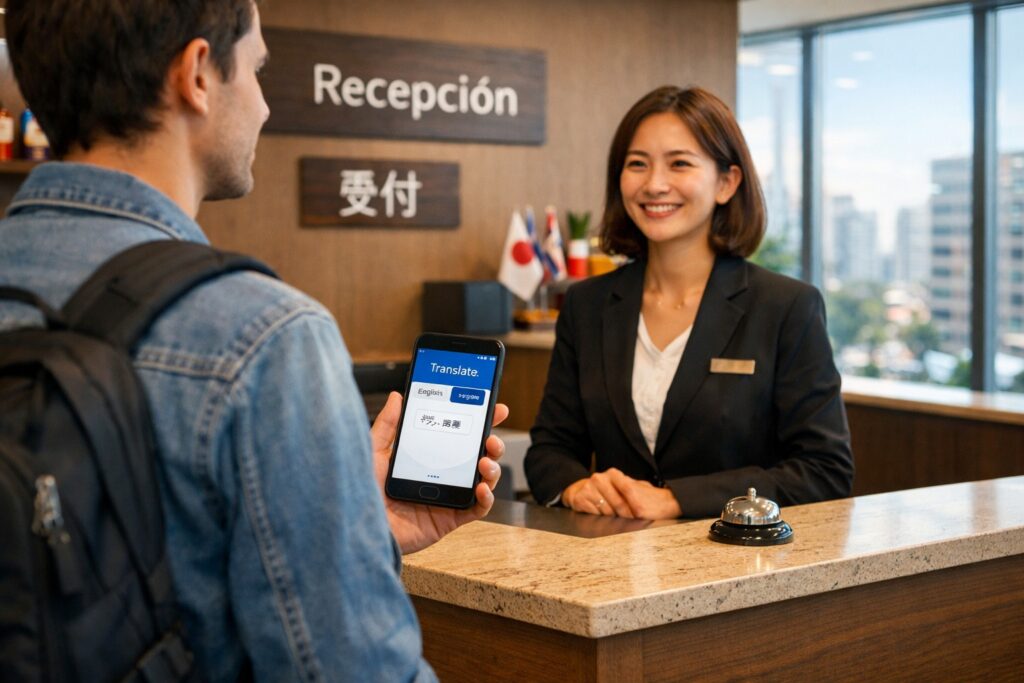
Traveling to a country where you do not speak the local language can feel exciting and intimidating at the same time. The food is different. The culture is unfamiliar. Even simple tasks, like asking for directions or checking into a hotel, may suddenly feel complicated. One of the most important decisions you will make before arrival is choosing where to stay. Accommodation affects your safety, comfort, budget, and overall travel experience. When communication barriers exist, the wrong choice can lead to stress and confusion. The right choice, however, can turn a foreign place into a temporary home. Here is how to choose wisely and confidently.
1. Start with International Booking Platforms
When language is a barrier, clarity becomes your best friend. Reputable international booking platforms such as Booking.com, Airbnb, and Expedia allow you to search and filter accommodation options in your preferred language.
These platforms provide:
- Verified reviews from previous guests
- Clear pricing in your currency
- Photos of rooms and facilities
- Written descriptions translated into multiple languages
- Cancellation policies explained in simple terms
Do not underestimate the value of guest reviews. Focus on recent reviews and pay attention to comments about communication, staff friendliness, and ease of check-in. If many travelers mention that staff speak English or other international languages, that is a strong advantage.
2. Prioritize Communication-Friendly Properties
Not every hotel or apartment is equipped to handle language gaps. Look for specific indicators:
- “Multilingual staff” listed in amenities
- 24-hour front desk service
- Online chat support
- Clear email contact before arrival
Large international hotel chains such as Hilton Hotels & Resorts, Marriott International, and Accor typically maintain standardized service procedures and employ multilingual staff. While they may cost more than local guesthouses, they often reduce communication stress significantly.
If you prefer smaller boutique hotels or apartments, send a short message before booking. Keep it simple. Ask about check-in procedures and whether someone speaks your language. The speed and clarity of their reply will tell you a lot.
3. Choose the Right Location
When you do not speak the language, location becomes even more important than usual.
Select accommodation:
- Close to major transport hubs
- Near tourist areas
- Within walking distance of essential services
- In neighborhoods with visible signage in multiple languages
Staying near city centers often means better infrastructure and easier navigation. Tourist-friendly zones typically have restaurants, supermarkets, and pharmacies accustomed to serving international visitors.
Before confirming your booking, open a map. Study the area. Look for nearby metro stations, bus stops, hospitals, and convenience stores. Even if you cannot communicate fluently, easy access reduces unnecessary stress.
4. Study the Cancellation and Refund Policy Carefully
Language barriers can increase the risk of misunderstandings. Flexible cancellation policies protect you.
Choose properties that offer:
- Free cancellation within a reasonable timeframe
- Clear refund terms
- Written confirmation of all payments
Avoid accommodation that requires complicated phone calls for changes. Written communication via email or booking platforms creates a record and reduces confusion.
5. Pay Attention to Check-In Instructions
Self-check-in apartments are popular worldwide. However, if instructions are unclear and you do not understand the local language, arrival can become frustrating.
Before booking:
- Confirm check-in time
- Ask how you will receive keys
- Ensure instructions are available in a language you understand
Properties that provide step-by-step written instructions with photos are ideal. Some even offer video guidance. This reduces dependence on verbal communication.
6. Use Technology to Bridge the Gap
Technology has transformed travel. Apps like Google Translate can help you read signs, menus, and written instructions instantly.
Before departure:
- Download offline language packs
- Screenshot important booking details
- Save the accommodation address in the local language
Having the address written correctly in the local script can be extremely helpful when asking taxi drivers for directions.
Even if you are confident, prepare for internet issues. Offline access gives peace of mind.
7. Consider Safety and Security Measures
When communication is limited, safety planning becomes essential.
Look for:
- 24-hour security
- Well-lit entrances
- Secure key systems
- Positive safety reviews
Read reviews carefully for comments about neighborhood safety. If multiple travelers mention feeling unsafe, take it seriously.
Additionally, check whether emergency numbers are displayed clearly in rooms or common areas. Knowing how to seek help matters, especially when language is a challenge.
8. Understand Cultural Differences in Accommodation
Accommodation standards differ across countries. What is considered normal in one place may surprise you elsewhere.
For example:
- In some countries, front desk service may close early
- In others, breakfast may not be included
- Housekeeping frequency may vary
Read the details carefully. Do not assume. Clear expectations prevent disappointment.
9. Budget Wisely Without Compromising Clarity
It can be tempting to choose the cheapest option available. However, extremely low prices sometimes come with limited support.
Balance cost with:
- Communication convenience
- Safety
- Accessibility
- Cleanliness standards
Spending slightly more for a property that communicates clearly may save you significant stress later. Comfort is not just about luxury. It is about peace of mind.
10. Look for Visual Clarity in Listings
Photos tell a story that words sometimes cannot.
Examine:
- Room layout
- Bathroom setup
- Entrance visibility
- Surrounding streets
Clear, well-lit photos suggest professionalism. Blurry or minimal images may indicate a lack of transparency.
Also, confirm that facilities shown in photos are listed in the description. Visual consistency matters.
11. Seek Recommendations from Trusted Sources
Travel communities and forums often share real experiences. Ask for recommendations in reputable travel groups.
Personal referrals reduce uncertainty. If someone you trust had a positive experience despite language barriers, that property becomes a safer option.
12. Confirm Transportation Options in Advance
Your accommodation should be easy to reach upon arrival.
Before finalizing:
- Check airport transfer availability
- Confirm public transport connections
- Ask if taxi services are familiar with the location
If the property offers airport pickup, consider using it. Clear arrival arrangements reduce anxiety after long flights.
13. Keep Important Information Printed
Digital access can fail. Batteries die. Internet signals drop.
Carry:
- Booking confirmation
- Property address in local language
- Contact numbers
- Passport copy
Having printed documents ensures you can communicate essential information even without speaking fluently.
14. Stay Calm and Be Patient
Language barriers can test your patience. Approach the experience with humility and flexibility.
Use simple words. Speak slowly. Smile. Nonverbal communication often goes further than expected.
Most hosts genuinely want to help. A positive attitude can transform small misunderstandings into memorable travel stories.
Conclusion
Choosing accommodation in a country where you do not speak the language requires preparation, research, and thoughtful decision-making. The key is to reduce uncertainty before arrival. Use trusted booking platforms. Prioritize communication-friendly properties. Study reviews carefully. Confirm details in writing. Leverage technology. Pay attention to safety and location.
Travel is not about eliminating challenges. It is about managing them wisely. When your accommodation is secure, accessible, and clearly arranged, you gain confidence to explore freely. Language differences become part of the adventure rather than a barrier.
With the right preparation, you can land in any destination and settle in comfortably, even if you cannot speak a single word of the local language. That is not just smart travel. That is empowered travel.
Fill this FORM to book your hotel today.

Other Articles

How to Avoid Course Regret After First Semester
What Schools Don’t Tell You About Course Workload

No Comment! Be the first one.