


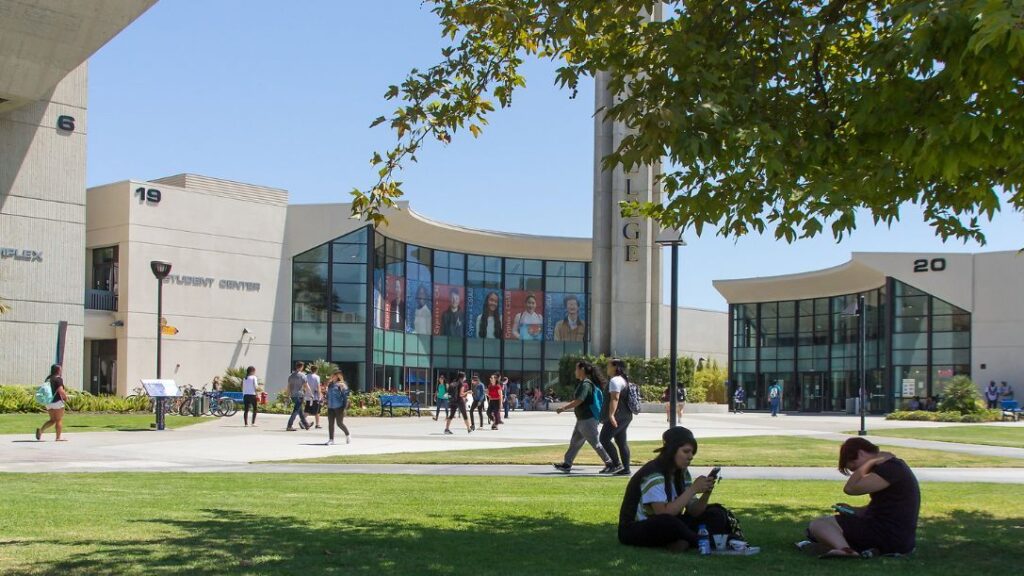
When most Nigerian students think about studying abroad, the first image that comes to mind is often a prestigious university with a grand campus, modern laboratories, and a long list of degree programs. However, what many don’t realize is that there’s another equally valuable and often more practical pathway, community colleges.
Across countries like the United States, Canada, and even parts of Europe, community colleges have become a gateway for international students seeking affordable, flexible, and career-focused education. For Nigerians and other African students, choosing a community college can be a strategic and financially smart way to begin an academic journey abroad.
This article explores the unique advantages of starting at a community college, how it fits into a long-term education plan, and why it’s becoming an increasingly popular option for international students.
Understanding What Community Colleges Are
A community college is an institution that offers two-year programs leading to an associate degree, diploma, or professional certification. These programs can serve as a stepping stone to a four-year university or directly prepare students for the job market.
In the U.S. and Canada, community colleges often have articulation agreements with universities, meaning that students who complete a two-year program can transfer their credits and continue to earn a bachelor’s degree at a partner institution.
For Nigerian students who are mindful of costs, this structure presents an opportunity to experience international education without immediately paying the high tuition fees of a full four-year university.
Lower Tuition Fees and Living Costs
One of the most appealing reasons to consider community colleges abroad is the cost advantage. Tuition at community colleges is significantly lower than at universities. In the U.S., for example, while a university might charge between $25,000 and $40,000 per year, a community college could cost between $7,000 and $12,000 annually.
This difference can save students millions of naira, which can then be used to support living expenses, visa processing, or eventual university transfer. Additionally, community colleges are often located in smaller cities or suburban areas where accommodation, transportation, and general living costs are cheaper than in large university towns.
For many Nigerian families, this affordability makes studying abroad achievable without excessive financial strain.
Easier Admission Requirements
Unlike universities that require high standardized test scores or competitive GPAs, community colleges tend to have open admission policies. This means that as long as a student has completed secondary education and meets the English language requirements, they are eligible to apply.
For Nigerian students who may not have high test scores or who need more time to adjust to the international academic system, community colleges offer an ideal starting point. Students can prove their academic capability during their two-year studies and then transfer to a top university with a strong record of performance.
Smaller Class Sizes and Personalized Learning
Another major advantage of community colleges is the personalized attention students receive. Classes are usually smaller compared to large universities, which allows instructors to focus more on individual learning needs.
This setting is particularly beneficial for international students adjusting to a new education style. Nigerian students who are used to crowded classrooms find that the smaller, discussion-based environment in community colleges helps them learn faster, ask questions freely, and build stronger relationships with professors.
This supportive learning environment can also ease the transition into university life later on.
Pathway to Top Universities
Perhaps the biggest academic advantage of attending a community college abroad is the university transfer pathway. Most community colleges have agreements with well-known universities that allow students to transfer their credits after completing a two-year associate degree.
This means a Nigerian student could start at a community college in Canada, study for two years, and then transfer to a university like the University of Toronto or the University of British Columbia for the remaining two years of a bachelor’s degree.
The result? The student earns the same university degree as peers who started at the university directly but at a significantly lower cost.
For example, in the U.S., many community college graduates successfully transfer to universities such as the University of California, Los Angeles (UCLA), Arizona State University, or the University of Washington.
Career-Focused and Skill-Based Programs
Community colleges are not just academic stepping stones, they are also career-oriented institutions. Many offer vocational and technical programs that prepare students for immediate employment after graduation.
Fields such as healthcare, hospitality, business administration, information technology, and engineering technology are commonly offered. These programs include practical internships and co-op opportunities that give students hands-on experience.
For Nigerians who want to work abroad or build international work experience before returning home, this approach provides both educational credentials and marketable skills.
Flexible Schedules and Work Opportunities
Community colleges often provide flexible schedules, including part-time, evening, and online classes. This flexibility benefits international students who wish to balance studies with part-time work.
In countries like Canada, students enrolled in public community colleges can legally work up to 20 hours per week during the semester and full-time during breaks. This allows Nigerian students to gain valuable work experience while offsetting part of their living expenses.
Moreover, because community colleges tend to have strong connections with local industries, students can easily find internships and job placements after graduation—giving them a head start in their careers.
Cultural Adjustment and Community Support
For many first-time international students, adapting to a new culture, teaching style, and lifestyle can be overwhelming. Community colleges are designed to support this transition. They offer orientation programs, counseling services, and international student offices that help newcomers integrate easily.
The smaller campus sizes also create a sense of belonging, making it easier to build friendships, connect with local communities, and participate in extracurricular activities. For Nigerian students leaving home for the first time, this welcoming environment can make a huge difference in their overall experience abroad.
Long-Term Immigration Benefits
Studying at a community college abroad can also have long-term immigration advantages. In Canada, for instance, students who complete a recognized post-secondary program at a public college can qualify for a Post-Graduation Work Permit (PGWP), allowing them to work in Canada for up to three years after graduation.
This work experience can then lead to permanent residency pathways. Similarly, in the U.S., community college graduates who transfer to universities and later secure employment can benefit from Optional Practical Training (OPT) opportunities.
For Nigerian students looking for both education and global career exposure, community colleges offer a practical and strategic entry point.
Community colleges abroad may not carry the prestige of large universities, but they offer something even more valuable, a smart, affordable, and flexible pathway to international education and career success.
For Nigerian students, starting at a community college means saving money, easing into a new learning environment, and building the right academic foundation before advancing to a university or entering the job market.
Whether your goal is to earn a degree, gain international work experience, or pursue permanent residency, community colleges provide a clear and cost-effective route to achieve those dreams.
Fill this FORM to book your hotel today.

Other Articles






No Comment! Be the first one.