


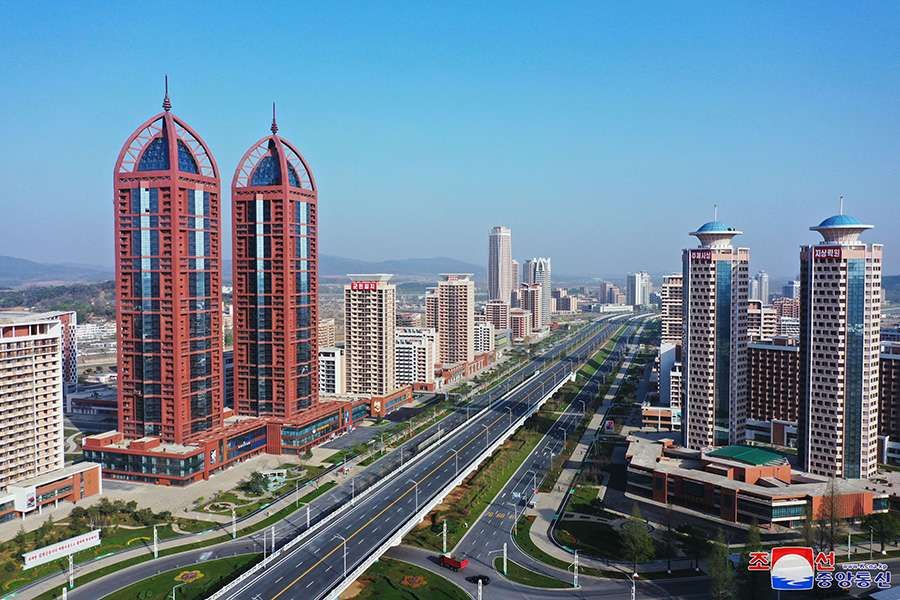
Studying abroad is an exciting journey filled with opportunities to learn, explore, and grow. For many Nigerian students and families considering international education, one of the most important decisions to make is choosing where to live and study. While capital cities often get the spotlight for their prestige, global exposure, and cultural vibrancy, smaller cities are increasingly becoming attractive alternatives for international students. Each option comes with unique benefits and challenges, and understanding these differences can help you make a smarter choice for your academic and personal goals.
Why Location Matters in Your Study Abroad Journey
The city you choose will influence almost every aspect of your experience abroad, from your tuition and living expenses to your career opportunities and overall lifestyle. For example, living in a bustling capital city like London, Paris, or New York may open doors to global business hubs and a diverse cultural scene, but it could also mean higher costs and a more competitive environment. On the other hand, a smaller city may offer a more affordable lifestyle, closer community ties, and a calmer environment that makes it easier to focus on studies.
Understanding the balance between cost, lifestyle, and opportunity is essential in making the right decision.
Advantages of Studying in Smaller Cities
Smaller cities often provide an intimate and cost-friendly environment that international students appreciate. Here are some advantages:
- Lower Living Costs: Rent, food, and transportation are usually far more affordable in smaller cities than in capitals. This can help students manage their budget better, especially if they are self-sponsored.
- Closer Community: In smaller towns, it is easier to build friendships and integrate into the local culture. You are more likely to develop meaningful connections with classmates, lecturers, and locals.
- Safety and Comfort: Smaller cities are generally safer, with lower crime rates and less congestion. This gives peace of mind to students and their families.
- Focus on Studies: With fewer distractions compared to major cities, students in smaller cities often find it easier to focus on their academic work.
Advantages of Studying in Big Capital Cities
Big cities attract thousands of international students every year for good reason. Their unique advantages include:
- World-Class Universities: Many top-ranked institutions are located in capital cities, offering students access to leading academic programs.
- Career Opportunities: Capital cities are home to multinational companies, government offices, and major industries, making them ideal for internships, networking, and post-graduation job prospects.
- Cultural Diversity: From international cuisines to art galleries and global events, capital cities expose students to a wide range of cultural experiences.
- Vibrant Lifestyle: Students who thrive in busy, dynamic environments will find capital cities more stimulating and engaging.
Side-by-Side Comparison
To help you visualize the differences, here’s a simple comparison between smaller cities and capital cities:
| Factor | Smaller Cities | Capital Cities |
|---|---|---|
| Cost of Living | More affordable; budget-friendly housing and food | Expensive rent, higher transportation and food |
| Safety | Safer, lower crime rates | Higher crime in some areas, but more security services |
| Community | Tight-knit, easier to make friends and integrate | Diverse but can feel overwhelming or isolating |
| Education Quality | Good universities with personalized attention | Top-ranked universities with more resources |
| Career Opportunities | Limited compared to capitals | Wide opportunities with global exposure |
| Lifestyle | Quiet, less distractions, more relaxed | Fast-paced, vibrant, more entertainment options |
Deciding whether to study in a smaller city or a big capital city abroad ultimately depends on your personal goals, lifestyle preferences, and budget. As the comparison shows, smaller cities often provide affordability, safety, and a close-knit community that can make international students feel more at home. On the other hand, capital cities offer world-class institutions, vibrant cultural experiences, and global networking opportunities that can give your career an edge.
The key is to reflect on what matters most to you, whether it’s saving money and enjoying a quiet environment, or diving into a fast-paced city full of endless opportunities. Both options have unique benefits, and the right choice will be the one that aligns best with your academic and personal journey.
Fill this FORM to book your flight today.

Other Articles

The Ultimate Guide to All-Inclusive Hotels: Are They Worth It?
How to Prepare Financial Documents for Visa Applications





No Comment! Be the first one.